Best Birdwatching Hotspots in Thailand: Doi Inthanon, Pak Thale, Khao Sam Roi Yot and More
January 02, 2026 07:50 AM
Discover Thailand’s top birdwatching sites by region and season, from Doi Inthanon to Pak Thale. Key species, when to go, gear tips, and trusted local guides.


by Thairanked Guide
Thairanked helps you discover great places in Thailand!
Table of Contents
1. Doi Inthanon National Park
2. Pak Thale & Laem Pak Bia Salt Pans
3. Kaeng Krachan National Park
4. Khao Yai National Park
5. Doi Lang (Doi Pha Hom Pok Range)
6. Khao Sam Roi Yot National Park
7. Chiang Saen Lake (Nong Han)
8. Bung Boraphet Wetlands
9. Bang Pu Recreation Center
10. Krabi Mangroves and Boardwalks
11. Huai Chorakhe Mak Non-Hunting Area
Search Hotels & Flights
You might like










Table of Contents
1. Doi Inthanon National Park
2. Pak Thale & Laem Pak Bia Salt Pans
3. Kaeng Krachan National Park
4. Khao Yai National Park
5. Doi Lang (Doi Pha Hom Pok Range)
6. Khao Sam Roi Yot National Park
7. Chiang Saen Lake (Nong Han)
8. Bung Boraphet Wetlands
9. Bang Pu Recreation Center
10. Krabi Mangroves and Boardwalks
11. Huai Chorakhe Mak Non-Hunting Area
Thailand is one of Asia’s most rewarding birding destinations, with over 1,100 species ranging from montane gems in the north to vast coastal flyways along the Gulf. This birder’s ranking highlights the best hotspots by region and season, with key species to target, practical tips on gear, and advice on finding reliable local guides. Whether you are chasing highland specialties on Doi Inthanon, scanning salt pans at Pak Thale for the elusive Spoon-billed Sandpiper, or exploring mangroves in the south for pittas and kingfishers, this guide will help you plan a productive trip.
When to go
November to March is peak season for migrants and shorebirds along the central coast, while December to February brings northern highland thrushes and flycatchers. March to June is excellent for breeding activity in evergreen forests, with broadbills, pittas, and hornbills most vocal. Southern rainforest birding is productive year-round, but expect afternoon showers during the monsoon.
What to bring
- 8x or 10x binoculars, plus a spotting scope for shorebirds and lakes
- Lightweight long sleeves, sun protection, leech socks in wet forests, and a compact rain shell
- Field guide or app, extra batteries, and neutral-colored clothing
- Insect protection, see The Best Mosquito Repellents in Thailand
Using local guides
Licensed Thai bird guides know recent stakeouts, local access rules, and seasonal movements, dramatically improving your chances with tough targets like ground-cuckoos, broadbills, and rare shorebirds. At several sites, community-run hides and visitor centers connect you with dependable drivers, boatmen, and spotters.

Highlight
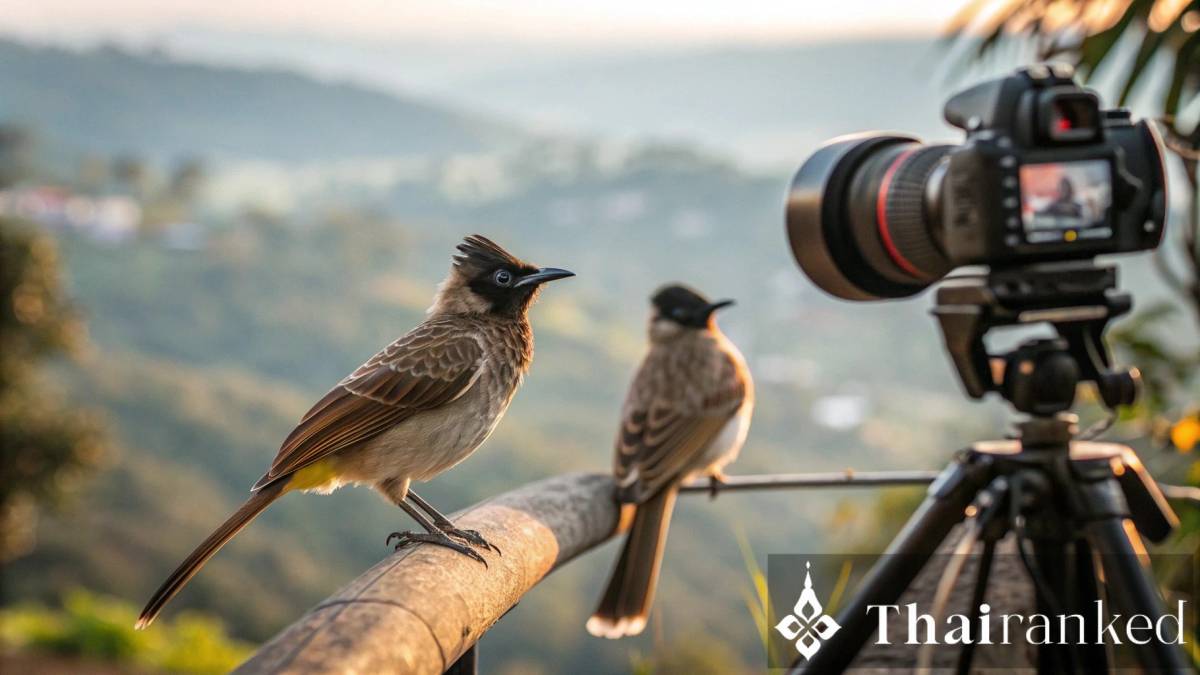
Thailand’s highest peak is the country’s premier montane birding site, delivering cool-climate specialties you won’t see elsewhere. Work the summit boardwalk and Km 37–46 trails for Green-tailed and Mrs. Gould’s Sunbirds, Himalayan Bluetail, Ashy-throated Warbler, and highland laughingthrushes. Lower elevations hold bulbuls, minlas, and wintering thrushes, while waterfalls and mossy gullies shelter flycatchers and occasional pittas. December to February is prime for high-altitude species and mixed flocks; March to May brings breeding activity and vocal broadbills lower down. Start at first light, move downslope as the morning warms, and consider a licensed Chiang Mai-based guide for current stakeouts and best trail sequences. Bring warm layers, a rain shell, and watch for fog that can shift bird activity quickly.
Essential Information
Chiang Mai
2. Pak Thale & Laem Pak Bia Salt Pans
World-class shorebirding on the Gulf coast
Highlight
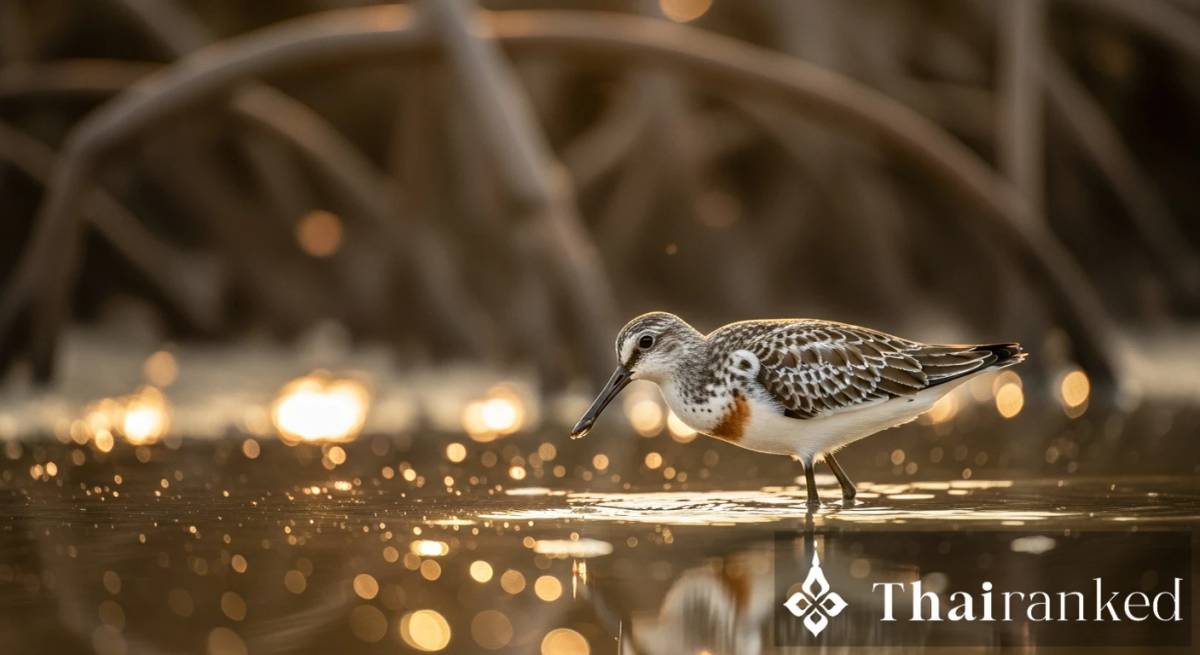
This central-coast complex is Asia’s shorebird showcase, famed as one of the world’s most reliable winter sites for Spoon-billed Sandpiper. Scan managed pans and roosts from November to March for Nordmann’s Greenshank, Great Knot, Asian Dowitcher, Broad-billed and Curlew Sandpipers, and Red-necked Stint. Hire a local driver who knows which pans are accessible, and use a spotting scope to pick key field marks at range. The Laem Pak Bia sandspit adds Malaysian Plover and terns. Tides and light matter, so plan around rising tides that push birds closer to track edges. The BCST presence and community spotters often share latest sightings, but always respect private pans, avoid flushing flocks, and keep to vehicle tracks.
Essential Information
Phetchaburi
3. Kaeng Krachan National Park
Broadbills, pittas, and hornbills in vast hill forest
Highlight
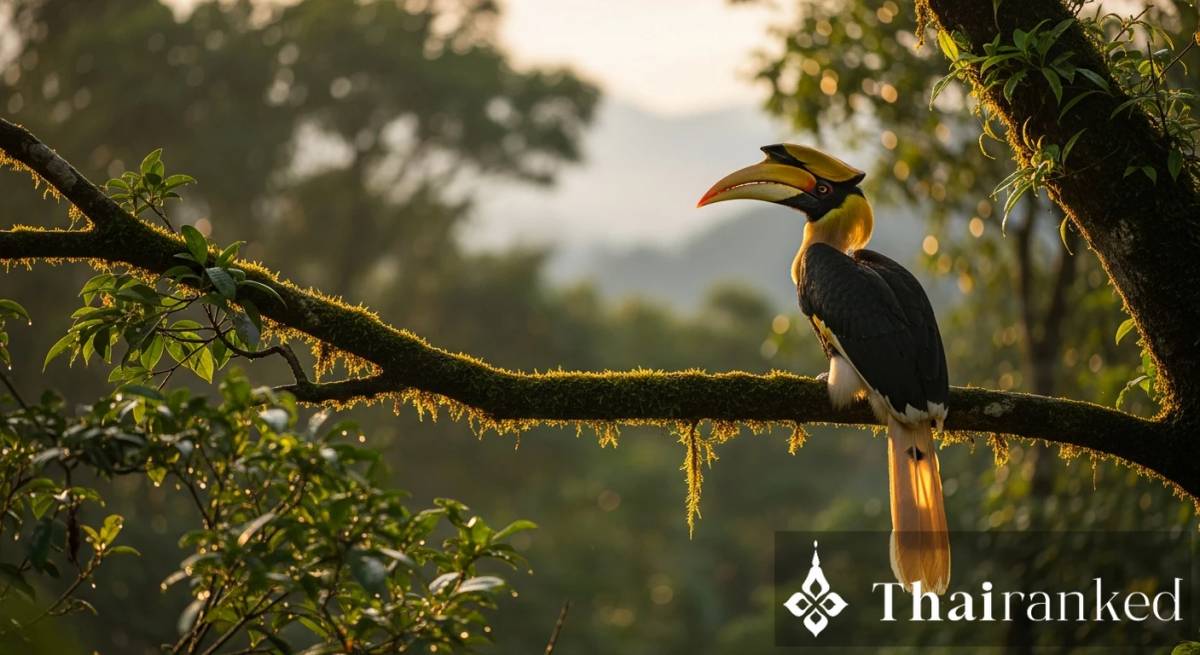
Thailand’s largest national park protects vast hill forest that is superb for broadbills, babblers, hornbills, and elusive ground birds. Bird hides and roadside edges can produce Black-and-red and Black-and-yellow Broadbills, Blue and Banded Pittas, Ratchet-tailed Treepie, Ferruginous Partridge, and Great, Wreathed, and Oriental Pied Hornbills. March to June is especially active for courtship and song, while November to February brings cooler mornings and mixed flocks. Leeches are possible in the wet season, so pack leech socks. Local guides from Phetchaburi know stakeouts, waterhole hides, and current road access. Start at dawn, work forest edges for light, and stay alert for mammal encounters like Dusky Langurs and Gaur along the road.
Essential Information
Phetchaburi
See also





4. Khao Yai National Park
Accessible forest birding with flagship species
Highlight
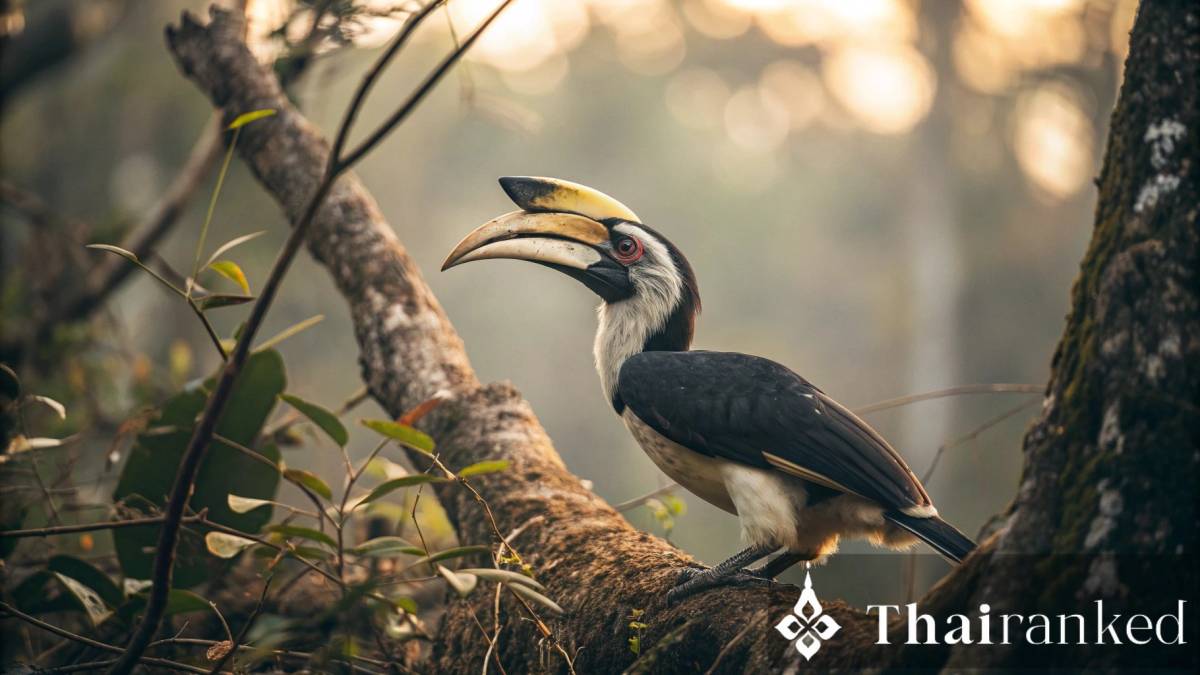
A classic central Thailand reserve that combines accessibility with excellent forest birding. Target Siamese Fireback along quiet roads at daybreak, scan fruiting figs for Great and Wreathed Hornbills, and listen for Blue Pitta and Coral-billed Ground-Cuckoo in dense undergrowth. Waterfalls and open grasslands host raptors, while night drives sometimes reveal owls and nightjars. November to March offers comfortable weather and good visibility; April to June is best for breeding vocalizations that help locate skulkers. The park’s size rewards a full day or two with a local guide for efficient route planning. Bring a flashlight, rain layer, and patience for stakeouts, and keep a respectful distance from elephants and other wildlife.
Essential Information
Nakhon Ratchasima / Prachin Buri
5. Doi Lang (Doi Pha Hom Pok Range)
Northern frontier for scarce highland targets
Highlight
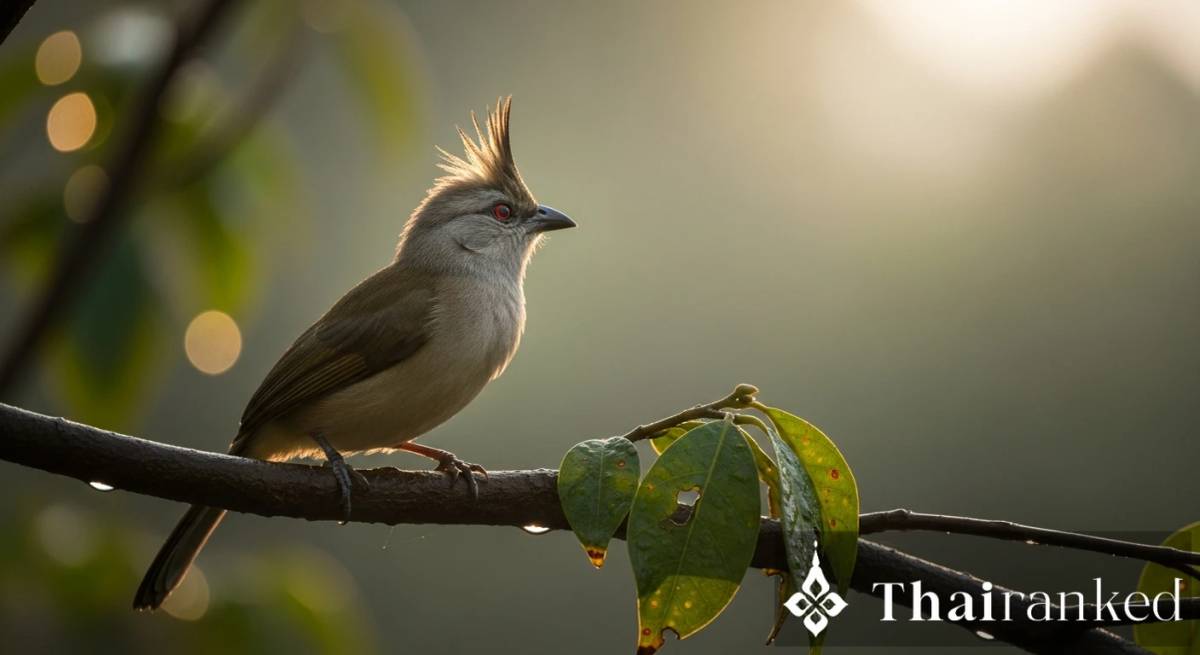
A photographer’s favorite in far northern Thailand, Doi Lang’s west and east sides hold wintering flycatchers and scarce highland residents. Look for Mrs. Hume’s Pheasant on the west side at first light, and scan pines for Giant Nuthatch and Crested Finchbill. Bushy edges can host Ultramarine and Slaty-blue Flycatchers, Himalayan Bluetail, and Spot-winged Grosbeak in season. December to February is peak, when feeding stations sometimes attract shy species to clear perches. Road conditions vary, so a local Fang-based guide is valuable for access updates and precise stakeouts. Mornings are chilly at elevation, so pack layers and be prepared to move between elevations as activity shifts.
Essential Information
Chiang Mai (Fang)
6. Khao Sam Roi Yot National Park
Wetlands, paddies, and mangroves beneath karst peaks

Highlight
A mosaic of coastal wetlands, rice paddies, and dramatic limestone peaks, Khao Sam Roi Yot is ideal for combining scenery with diverse birding. Shallow marshes and fields host Pheasant-tailed Jacana, Watercock, and harriers, while coastal edges and salt pans add shorebirds in winter. The Khao Daeng area can be lively for migrants and offers a rewarding boat trip through mangroves for kingfishers and herons. November to March is best for variety and comfortable temperatures; early mornings are most productive before the sea breeze rises. Local boatmen and guides know water levels and recent roosts. Carry a scope for distant waders and hats for strong sun, and watch tides when planning your route.
Essential Information
Prachuap Khiri Khan
7. Chiang Saen Lake (Nong Han)
North’s premier winter waterfowl and raptor roost
Highlight
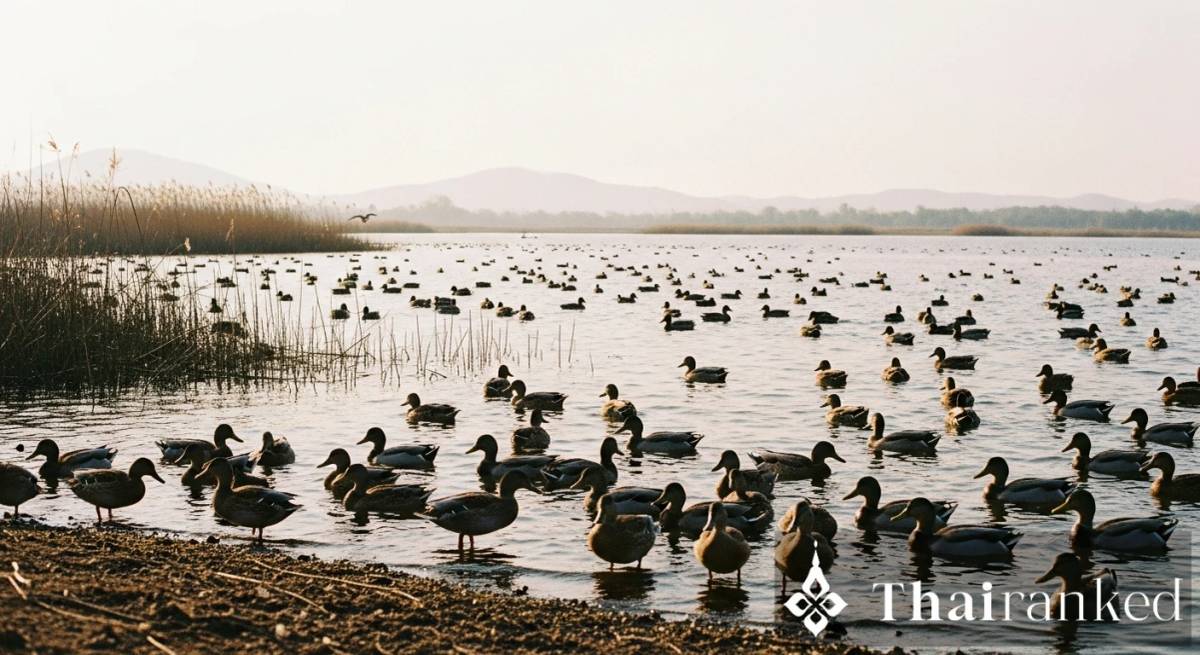
Northern Thailand’s key waterfowl site, Chiang Saen Lake draws thousands of wintering ducks and impressive raptor roosts from November to February. Scan from levees and towers at dawn and dusk for Baikal Teal (occasional), Ferruginous Duck, Common Pochard, and mixed gaggle flocks. Harriers, including Pied and Eastern Marsh, quarter the reedbeds, and large roosts of swallows and mynas build in the evenings. A scope is essential for picking distant rafts, and a local guide can steer you to quiet vantage points away from disturbance. Mornings can be misty and cool, so bring layers and allow time to work the lake margins and nearby ponds for bitterns and crakes.
Essential Information
Chiang Rai
8. Bung Boraphet Wetlands
Expansive freshwater marsh with easy boat access
Highlight
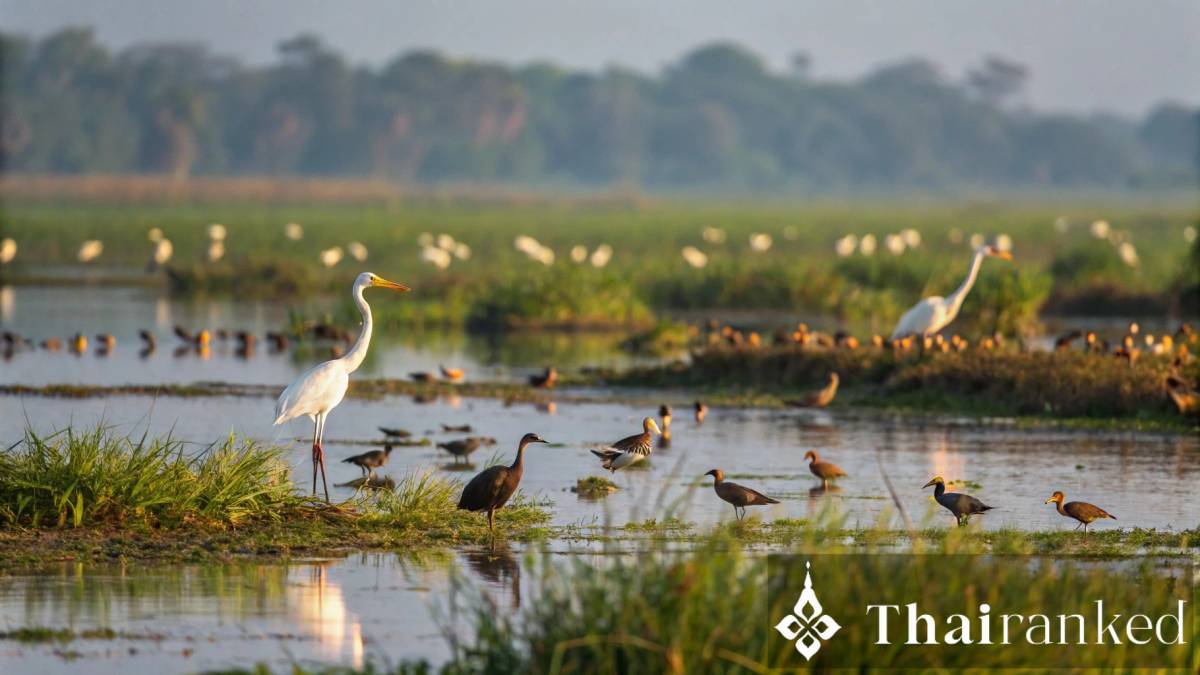
Thailand’s largest freshwater marsh is a central plains stronghold for jacanas, darters, herons, and wintering shorebirds. Boat trips give close views of Pheasant-tailed and Bronze-winged Jacanas, Cotton Pygmy Goose, Oriental Darter, and Black-browed Reed Warbler in season. Peak diversity is November to March, with breeding activity continuing into early rains. Engage local boatmen at the visitor pier for dawn departures when light and activity are best. A scope helps from levees, but boats bring birds closer for photography. Hats, sunscreen, and dry bags are smart, and be ready for short rain bursts in the afternoon during the wet season.
Essential Information
Nakhon Sawan
Highlight
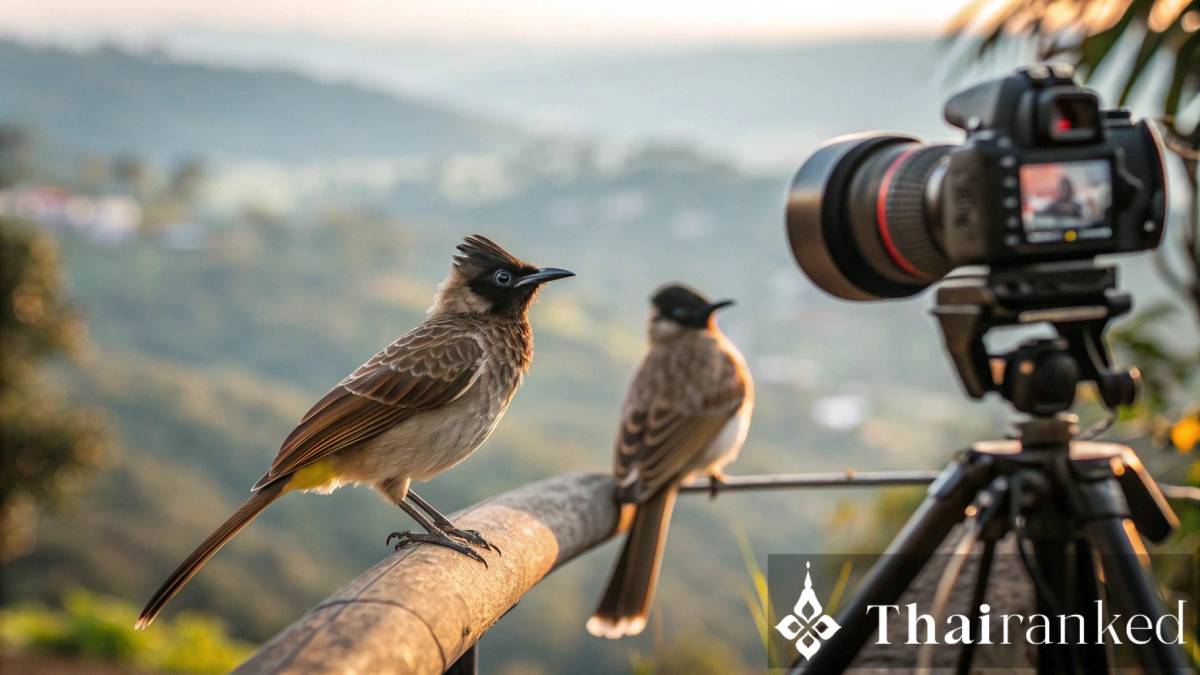
Just south of Bangkok, Bang Pu is a convenient stop for gulls, terns, and wintering shorebirds from November to February. Evening roost flights of Brown-headed Gulls are a spectacle, and careful scanning can produce Black-headed and Heuglin’s Gulls among others. Boardwalks and pier edges offer easy viewing, especially at mid to high tide when birds move close. Combine with nearby salt pans for a fuller species list. Weekdays are quieter than weekends, so plan accordingly. Bring a scope, but binoculars suffice for gull flocks at the pier. This is a great warm-up site for newly arrived birders before deeper forays into the Gulf coast complex.
Essential Information
Samut Prakan
10. Krabi Mangroves and Boardwalks
Pittas and kingfishers in lush southern mangroves
Highlight
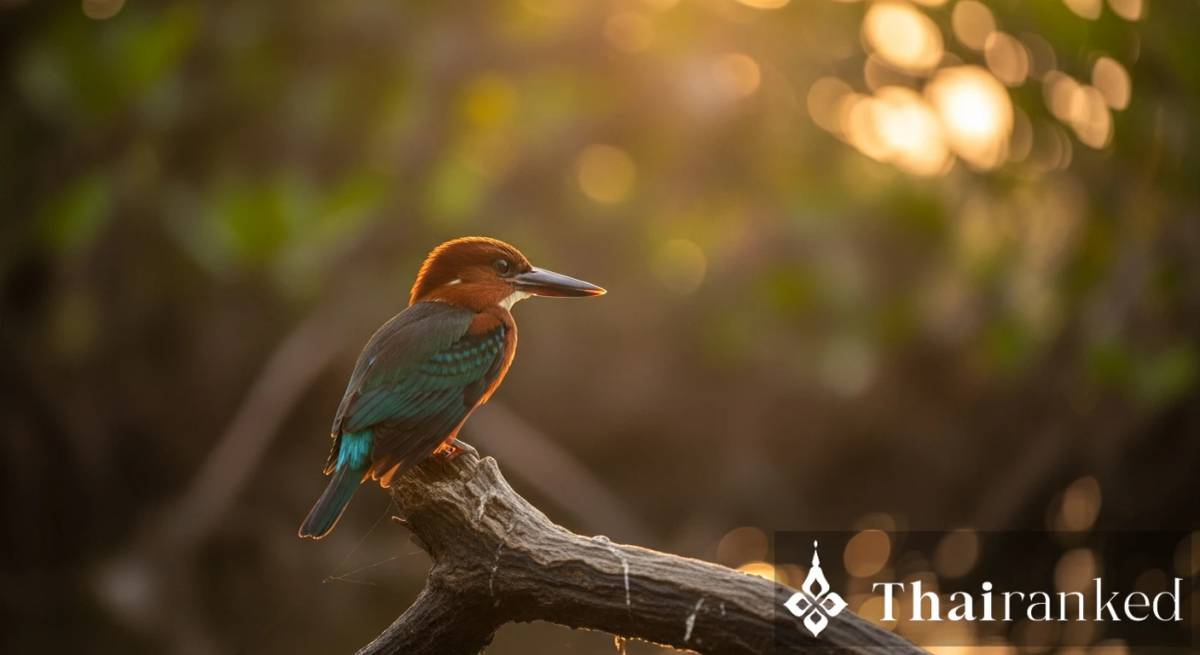
Southern Thailand’s mangroves around Krabi are a reliable introduction to rich peninsular birding. Target Brown-winged Kingfisher, Ruddy Kingfisher in season, and Mangrove Pitta along quiet creeks and shaded boardwalks, with Collared and Stork-billed Kingfishers frequent. Year-round birding is possible, but mornings in the drier season offer easier walking and fewer mosquitoes. Local boatmen know quiet channels where skulkers call at dawn, and they can time routes with tides for better views. Wear neutral clothes, carry repellent, and bring a compact rain shell for sudden showers. Combine with nearby lowland forest sites for broadbills and hornbills to round out a southern trip.
Essential Information
Krabi
11. Huai Chorakhe Mak Non-Hunting Area
Quiet central plains wetland with varied habitats
Highlight
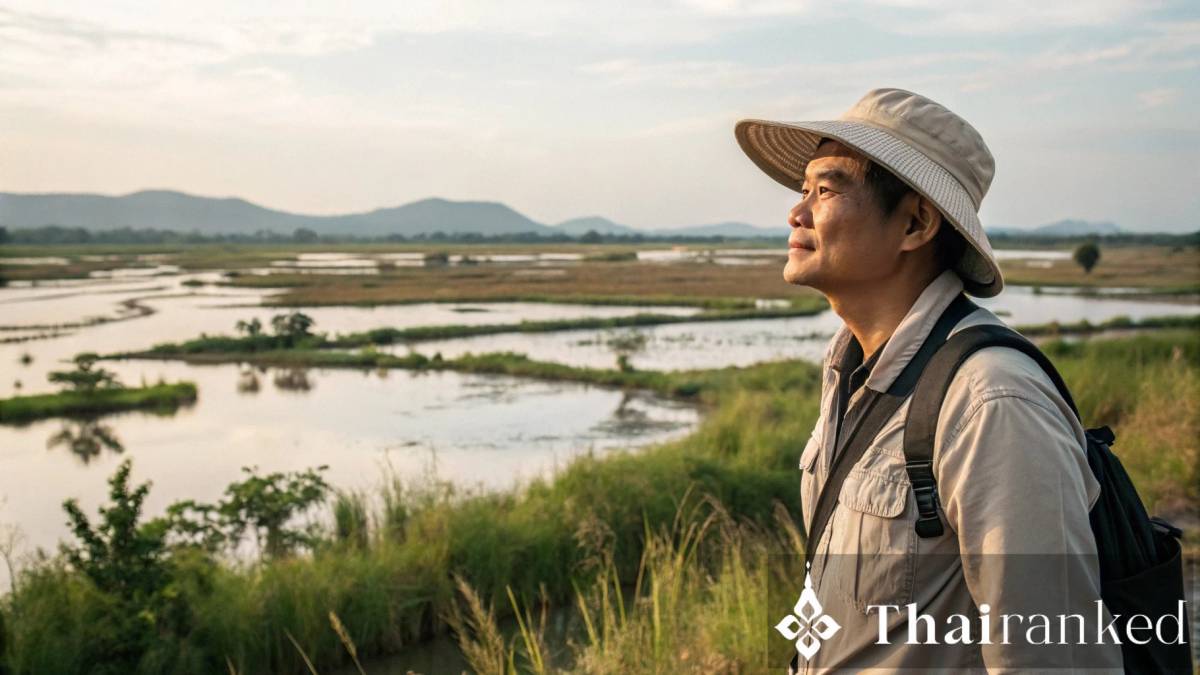
An underrated wetland near the central region’s rice belt, Huai Chorakhe Mak mixes reservoirs, reedbeds, and fields that draw bitterns, crakes, jacanas, and wintering pipits and wagtails. November to February is best for variety and comfortable field conditions, while late dry season exposes mudflats that attract shorebirds. Local birders use levee roads and small towers for elevated scans; a scope helps immensely. This is a good add-on if you are traveling between Bangkok and the lower north, offering quieter conditions than the better-known coastal pans. Start at first light to beat heat and wind, and bring sun protection for wide-open viewing areas.
Essential Information
Nakhon Sawan / Nearby provinces
Missing a business you'd recommend?
Tell us who belongs on this list and our editors will review it.
From the cool cloud forests of Doi Inthanon to the salt pans of Pak Thale and the limestone wetlands of Khao Sam Roi Yot, Thailand delivers world-class birding across every habitat. Time your visit for winter migrants along the Gulf, then head north for montane specialties, and finish in the south for pittas, broadbills, and kingfishers. A light scope is invaluable for shorebirds and lakes, while patience and an early start pay dividends in dense forest. Respect private salt pans and wildlife sanctuaries, stay on trails, and minimize playback to reduce disturbance.
If you are basing yourself in Bangkok, many hotspots are easy weekend trips when combined with local transport and outdoor activities, as outlined in our Ultimate Guide to Outdoor Adventure Near Bangkok. For flexible transfers to parks and piers, check the best ride-hailing apps in Thailand, and always carry weatherproof layers and repellent for long days in the field. With smart planning, ethical birding, and the help of experienced local guides, your Thailand list will grow fast, season after season.
by Thairanked Guide
Thairanked helps you discover great places in Thailand!
What people ask about
"Best Birdwatching Hotspots in Thailand: Doi Inthanon, Pak Thale, Khao Sam Roi Yot and More"
Here you will find answers to the most popular questions about Thailand.
 Chat with us