Why Hotels in Thailand Ban Durian in 2026
August 07, 2026 03:48 AM
Last edited: August 07, 2026

by Thairanked Guide
Thairanked helps you discover great places in Thailand!
Search Hotels & Flights





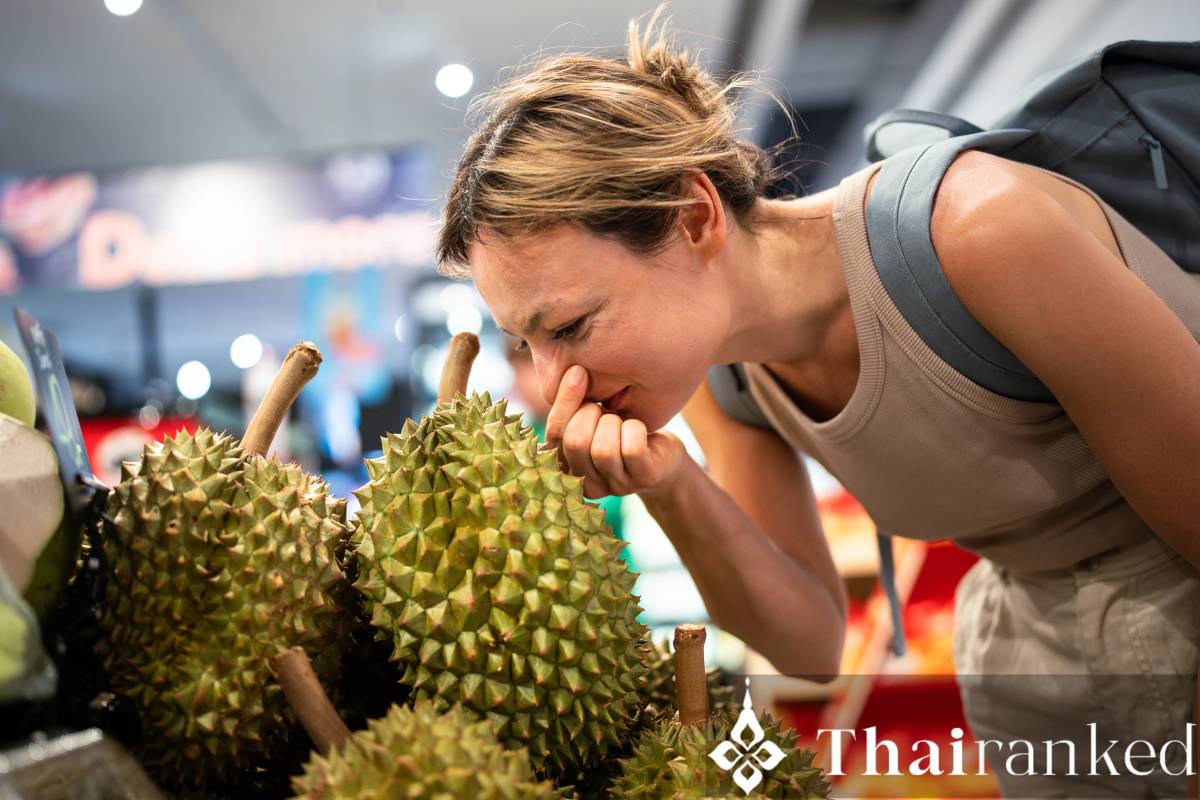
Durian emits a strong scent that prompts hotels across Thailand to ban the fruit from guest rooms and common areas. Housekeeping teams face difficult cleaning tasks after a durian spill, other guests report discomfort, and hotel managers protect room condition and reputation. This guide explains why hotels impose bans, how staff enforce rules, and what you can do when you crave durian during a trip in 2026.
Why hotels ban durian
Hotels ban durian for several direct reasons.
Powerful, lingering odor
Durian releases sulfurous, sweet, and fruit notes. The scent clings to carpets, curtains, mattresses, and soft furnishings. HVAC systems and air filters trap odor and spread it through corridors, creating complaints from guests who did not expect the smell.
Cleaning cost and room downtime
Housekeeping must remove stains and deep clean fabrics after contact with durian. Staff replace bedding, launder curtains, and run ozone or steam treatments to clear odor. Hotels lose revenue when managers take a room out of service while cleaning and airing it.
Damage to fixtures and furnishings
Durian flesh contains oils and sticky sugars. The fruit can stain wood, upholstery, and mattress covers. Fresh stains attract pests and require specialized cleaning methods or replacement of items, which raises maintenance costs.
Guest comfort and complaints
Guests check in expecting a neutral scent. Strong food odors create immediate discomfort for some, and trigger complaints at the front desk. Hotels aim to supply a consistent experience, so they remove risk factors that cause frequent complaints.
Health concerns and allergies
Some guests report nausea from strong food odors. Staff avoid exposing guests with sensitive noses or respiratory conditions to concentrated scents. Hotels choose preventive rules rather than manage repeated medical calls.
Public transport and shared spaces
Hotels host shared elevators, lobbies, and breakfast rooms. Staff ban durian to prevent cross-contamination in public spaces, and to keep service areas free from strong food odors.
How hotels enforce durian rules
Hotels rely on clear policy, signage, and staff training.
Signage and house rules
Hotels place signs at reception and in elevators that list prohibited items, including durian. Managers add durian to the list alongside smoking and illegal substances. Staff reference house rules during check-in to avoid misunderstandings.
Inspection and cleaning charges
Staff inspect rooms at checkout. Housekeeping documents stains and odors, and management applies a cleaning charge when durian has damaged linens or furniture. Hotels set these charges based on cleaning or replacement costs.
Confiscation and disposal
Staff may ask a guest to surrender durian or move the fruit outside the property. Front desk teams explain the reason and offer alternatives, such as storing the fruit in a sealed container outside or recommending nearby outdoor spots to eat it.
Where to eat durian during your trip
Markets and outdoor stalls provide the best places to enjoy durian. Night markets and fruit markets offer fresh selections, and vendors wrap fruit in foam boxes or plastic to reduce spill risk.
For Bangkok visitors, check local options at Bangkok’s Best Night Markets. Chiang Mai visitors find seasonal durian at produce markets and street stalls, details in our Chiang Mai Travel Guide. Island travelers can find durian on the southern peninsula during the season, see tips in the Krabi Travel Guide.
Travel tips for durian lovers
Follow these practical steps to avoid problems with hotels and fellow travelers.
- Eat durian outside the hotel, at a market, street stall, or outdoor park.
- Pack durian in sealed containers, such as double-bagged plastic or insulated boxes, when you transport it by taxi or car.
- Keep durian in the trunk or luggage when you travel by road. This prevents odor from reaching the passenger cabin and shared hotel areas.
- Ask before you bring the fruit inside. Tell reception that you bought durian and ask for instructions. Staff may direct you to a safe place to open and eat it.
- Use odor absorbers, such as activated charcoal sachets, coffee grounds in a bowl, or open containers of vinegar to neutralize air in a closed space after eating.
- Dispose of shells and waste outside, in outdoor trash bins. Wrap shells tightly before disposal to prevent spills and pests.
Alternatives when your hotel enforces a strict ban
Rent a private villa or book a serviced apartment that offers private outdoor space. Villas and ground-floor apartments give you a place to enjoy durian without affecting common areas. Choose room types that list a balcony or kitchen.
Plan a durian break at a market visit or a day trip. Vendors sell durian by the portion, so you can taste several varieties without managing a whole fruit. Combine a fruit stop with sightseeing or a picnic at a public park to keep your hotel room fresh.
Durian and public transport rules
Transport operators set rules for food on buses, trains, and ferries. Buses and trains state no strong odors or messy food. Taxi drivers often prefer that passengers keep durian in bags or the trunk. Ask drivers before you bring durian into the passenger compartment.
Cleaning tips if durian odor reaches your room
If you open durian inside and the scent spreads, act quickly.
- Ventilate the room, open windows and doors to create airflow.
- Remove affected fabrics, place bedding and towels in a sealed bag for housekeeping, and request laundry service or replacement items.
- Use natural odor absorbers, a bowl of vinegar or coffee grounds neutralizes scent. Leave the container in the room for several hours to pick up odor.
- Request professional treatment from housekeeping. Ask for ozone treatment or deep cleaning if the staff offers it.
Etiquette and respect
Respect hotel rules and other guests. Carry durian in sealed containers, follow staff guidance, and avoid opening the fruit in shared spaces. A quick conversation at check-in prevents misunderstandings and keeps your stay pleasant.
Final note for travelers in 2026
Durian remains a beloved seasonal treat across Southeast Asia. Hotels maintain bans to protect guests, keep rooms in good condition, and limit cleaning cost and complaint volume. You can still enjoy durian by choosing outdoor spots, vendors, or private rental options that accept strong-smelling food.
Key takeaways
- Durian odor clings to soft furnishings and HVAC systems, prompting hotel bans.
- Hotels enforce rules with signage, inspection, and cleaning charges.
- Eat durian at markets or outdoor spots, or book accommodation with private outdoor space.
- Pack durian in sealed containers and dispose of shells outside to avoid fines and complaints.
- Find local durian options at Bangkok night markets, Chiang Mai markets, and Krabi fruit stalls.
Search Hotels & Flights
Related Insights

Compare IMAX, ScreenX, and 4DX in Thailand. Learn how each format handles screen, sound, motion, and scent, and pick the best cinema experience for your next movie night.

Discover why 7-Eleven dominates Thailand through CP All's strategy, urban convenience, local demand, and innovative everyday services.

Planning to get a tattoo in Thailand? Learn how to choose the right tattoo studio with expert tips on artists, hygiene, pricing, and aftercare.

Compare Koh Samui and Koh Phangan for beaches, nightlife, costs, transport and family friendly options. Tips for travelers, couples, and digital nomads.

Decide whether to live near the BTS or MRT in Bangkok. Practical guide on commute, amenities, noise, air quality, and how to choose a condo or house.
What people ask about
"Why Hotels in Thailand Ban Durian in 2026"
Here you will find answers to the most popular questions about Thailand.