Thailand’s New Durian Strategy: How the King of Fruit Stays on Top
January 24, 2026 07:07 AM
Last edited: April 20, 2026

by Thairanked Guide
Thairanked helps you discover great places in Thailand!
Search Hotels & Flights
Related Insights





Thailand's Durian Gameplan: A New Era for the King of Fruits
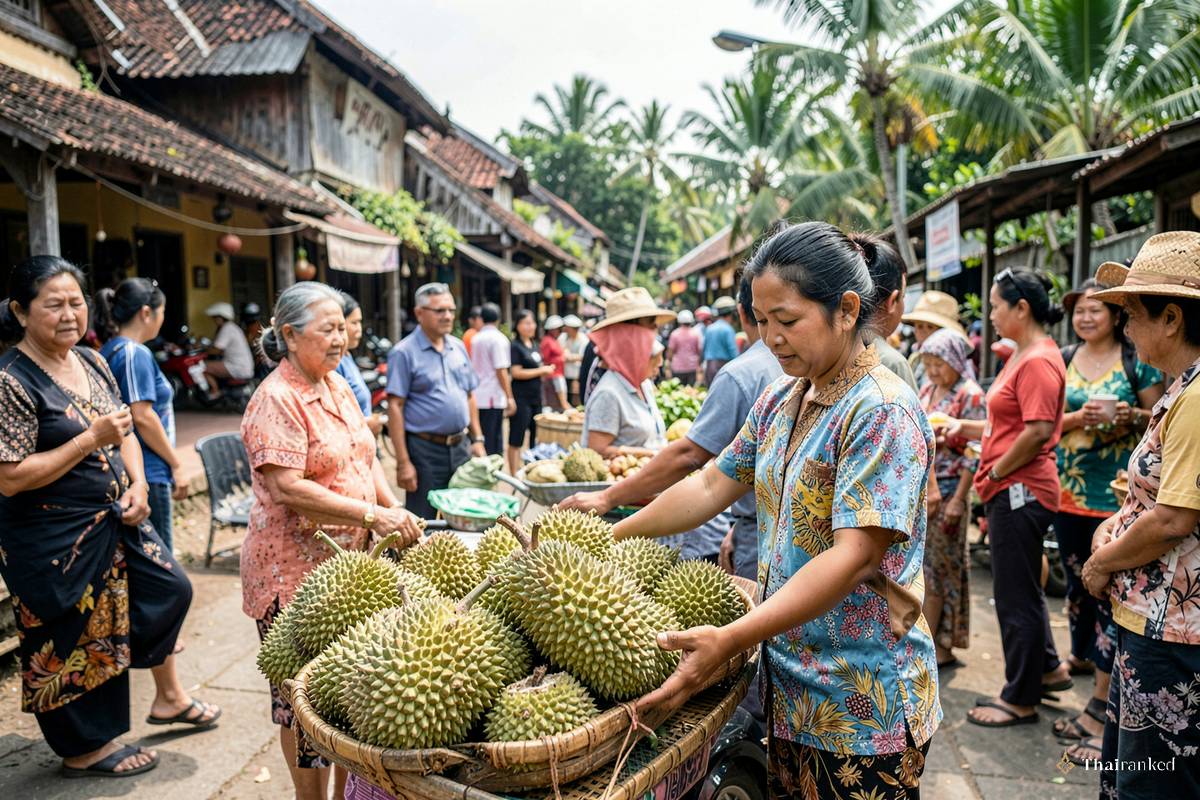
Durian stands as more than a fruit in Thailand,it marks national pride and economic drive. As the famed "King of Fruit," durian brings major export revenue and serves as a cultural icon across Thailand and Southeast Asia. The global fruit trade moves fast, and Thailand keeps pushing forward. The Ministry of Commerce announced a bold, comprehensive durian plan for 2026 and beyond, aiming to secure Thailand’s top spot in the durian world through quality, innovation, and branding.
Durian Drives Thailand’s Global Leadership
Thailand leads in global durian exports, with markets stretching to China, Hong Kong, Vietnam, and beyond. The Ministry of Commerce reports durian exports generate billions of baht and support tens of thousands of smallholder farmers. As Malaysia, Vietnam, and others sharpen their efforts, Thailand faces real competition. Both supply and prices have swung in cycles, sometimes hurting farmers in the process.
Three Key Pillars: Quality, Price Stability, and Farmer Income
The new durian strategy focuses on these three main objectives:
- Elevate Quality Standards. Only the best Thai durian,creamy, aromatic, and genetically diverse,will earn “top grade” status and command premium prices in exports.
- Maintain Price Stability. Using stronger data and market insights, the ministry seeks to avoid gluts and drops in price that harm farmers.
- Boost Farmer Revenue. Improved quality, streamlined supply chains, and new value-added products put prosperity in the hands of growers.
Smart Data: The Secret Weapon
This strategy shines with its strong, data-driven approach. Instead of guessing, officials monitor trends by region, production volumes, and market tastes. Up-to-date market intelligence helps to:
- Predict oversupply before it hits and lock in stronger prices.
- Adjust logistics and shipping for less waste and maximum freshness.
- Match durian varieties to shifting consumer trends, especially in high-growth places like China.
This “new school” method replaces old guesswork. In a world full of seasonal diseases and surprise weather, any edge for farmers counts.
Building a Premium: Thai Durian’s Unique Brand
Securing Thai durian's place at the top requires a global branding campaign. The strategy relies on quality and genetic diversity. Thai orchards produce a wide spectrum, from crowd favorites like Monthong to heirlooms with rare flavors.
This branding aims to:
- Showcase Thai durian’s heritage and craft to buyers abroad.
- Position Thai durian as a luxury fruit with a "Tropical Truffle" reputation.
- Educate sellers and shoppers on what makes Thai durian distinct.
Thai food branding has broken ground before,see the story behind Pad Thai’s global rise. The new campaign goes further, using digital tools to reach buyers. For other standout Thai flavors, check out these southern spicy dishes or see how culinary heritage shapes exports in the Som Tam story.
Innovation Beyond Fresh Fruit: Value-Added Products
The Ministry of Commerce plans to export durian in more forms. This includes:
- Vacuum-packed fresh durian pulp for chefs and grocers abroad.
- Freeze-dried, snack-ready durian for younger, digital-first consumers.
- High-grade paste and puree, ideal for desserts, ice cream, or even cosmetics.
Thailand hopes to lower risks from oversupply by shipping products made from “imperfect” fruit,delicious, but not picture perfect. This model already succeeds with mangoes and pineapples. Read more about traditional Thai agricultural exports and their new global stories.
Fresh Markets Beyond China
China remains the top destination,and Monthong the favorite,but Thailand seeks new buyers. E-commerce, emerging middle classes in ASEAN, and the worldwide snack craze all point to diversified export routes. Consumers are changing and Thai durian gets introduced in Southeast Asia, the Middle East, Europe, and North America next.
Plan a trip around unique fruit? Our Chonburi travel guide includes stops in Thailand’s durian heartlands. If you crave more off-the-radar eats, discover regional Thai cuisine for a taste adventure.
Thai Farmers Stay Central
The plan keeps the focus on those who tend the orchards. Volatile markets have left some farmers flush one year, struggling the next. Steadier prices, better data, and clear incentives help durian growing stand as a true long-haul path to prosperity for rural Thailand. Modern, sustainable agriculture now shapes much of rural policy. Dive into how innovation helps, in rural stories and ways farmers adapt to new challenges.
Tourists and Expats: Why It Matters
Travelers and expats now find higher-quality durian in markets, supermarkets, and creative new products in shops. Bangkok’s modern fruit boutiques and top department store food halls sell premium lines. Heading outside city limits, you’ll discover the best durian close to orchards and at local farm tours in places like Chanthaburi or Chonburi.
Looking for more must-try food moments? Use our guide to Thai menus to find bold flavors and local secrets. When in Bangkok, check out curated activities with Get Your Guide - Bangkok for top food tours and cultural insights.
Key Takeaways
- Thailand uses data-driven durian farming to stay on top.
- New branding focuses on Thai durian’s quality and diversity for premium pricing.
- Exports now include value-added products, which insulate against market swings.
- Stable prices and direct grower support are policy priorities.
- Travelers see more premium, innovative Thai durian than ever before.
Search Hotels & Flights
Related Insights

On Makha Bucha Day 2026, Thailand will witness a stunning total lunar eclipse, learn how, where, and when to watch this rare brick-red moon event.

Unofficial results from the February 8 general election show a decisive victory for the Bhumjaithai Party, securing a second term for Prime Minister Anutin Charnvirakul. Here is the full breakdown of the results and what lies ahead for Thailand.

Suvarnabhumi Airport prepares for 2 million passengers around Lunar New Year. Get insider tips, arrival timing advice, and how to breeze through busy travel days.

With the February 8 election approaching, discover how Thailand’s major political parties plan to reshape tourism, visa rules, and expat life. From the "Visa-Free" policies of Pheu Thai to the structural reforms of the People's Party, find out what the 2026 vote means for your next trip or long-term stay.

Don’t get caught thirsty! From the expected General Election bans to the 5 major Buddhist holidays, here is the complete calendar of "Dry Days" in Thailand for 2026.