Speak Respectfully: Thai LGBTQ+ Vocabulary, Pronouns, and Etiquette for Travelers
January 12, 2026 08:14 AM
Last edited: January 12, 2026
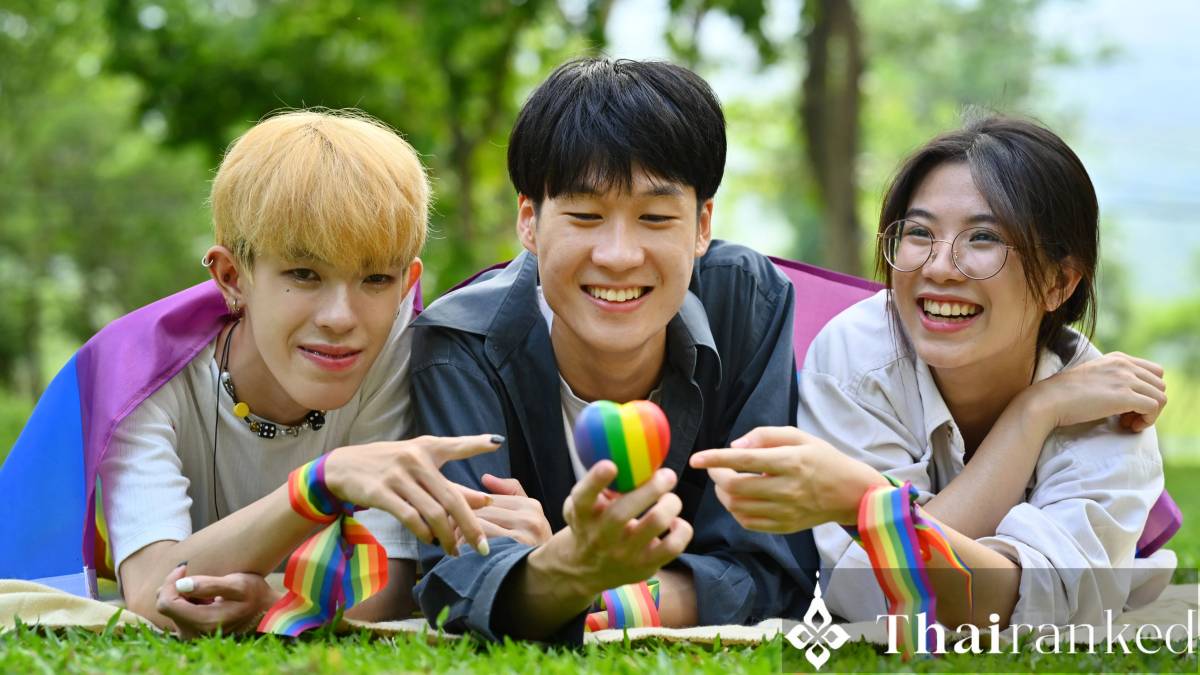

by Thairanked Guide
Thairanked helps you discover great places in Thailand!
Search Hotels & Flights
Related Insights



Introduction: Thriving LGBTQ+ Culture in Thailand
Thailand is widely recognized as one of Southeast Asia’s most LGBTQ+-friendly destinations. Whether you’re exploring the dazzling nightlife in Bangkok, relaxing on Chiang Mai’s cafe scene, or attending vibrant festivals, you’ll find that LGBTQ+ people are visible and often warmly embraced. However, to truly connect and communicate respectfully, it’s essential to become familiar with local LGBTQ+ vocabulary, pronouns, and a few key etiquette tips. This guide will help you avoid awkward moments, navigate Thai LGBTQ+ conversations, and, most importantly, show genuine respect to everyone you meet.
Understanding LGBTQ+ Identities in the Thai Context
While Thailand’s LGBTQ+ scene might seem familiar, the language, labels, and cultural boundaries can be unique and nuanced. Here are the most common terms you’ll encounter:
- Gay (เกย์, gay): Usually refers to gay men, but is understood by Thais of all generations.
- Lesbian (เลสเบี้ยน, lesbian): Used for lesbian women, especially among younger Thais.
- Kathoey (กะเทย): Commonly known as “ladyboy.” Refers to transgender women and effeminate gay men. It’s a neutral term in Thailand, but if you’re unsure, let the person self-identify.
- Tom (ทอม): From “tomboy,” refers to a woman (assigned female at birth) who adopts masculine style and mannerisms, often attracted to women.
- Dee (ดี้): Refers to a woman who has a feminine expression and is predominantly attracted to Toms.
- Transgender man (ผู้ชายข้ามเพศ, phuchai kham phet): Assigned female at birth, identifies as male, “Trans man.”
- Transgender woman (ผู้หญิงข้ามเพศ, phuying kham phet): Assigned male at birth, identifies as female, “Trans woman.”
- Bisexual (ไบ, bai): As in English, refers to attraction to more than one gender.
Additional LGBTQ+ Terms You Might Hear
- Sao Prab Phet (สาวประเภท): “A person of a certain type”; sometimes a polite term for a transgender woman.
- Sapphic (handsome women): A stylish butch lesbian.
Pronouns in Thai: Navigating Gendered Language
Pronouns in Thai are more flexible than they appear, but are tightly linked to social hierarchy and gender expectations. A few pointers:
- First-person pronouns often reveal gender. Men frequently use “phom” (ผม); women often use “chan” (ฉัน) or “di-chan” (ดิฉัน) in formal situations.
- LGBTQ+ Thais may use pronouns based on self-identified gender, or flip between masculine and feminine depending on comfort and context. Don’t assume, if you’re unsure, observe or simply ask politely.
- Second-person pronouns (“you”): “Khun” (คุณ) is polite and gender-neutral. Perfect for travelers.
What About Titles?
- Khun (คุณ): Polite prefix, like “Mr./Ms.”
- Phi (พี่): Prefix for older friends/colleagues (shows seniority).
- Nong (น้อง): Prefix for younger friends/colleagues.
Use these titles with first names, this reflects respect and warmth in Thai culture.
First-Person (I):
- ผม (phom): For men
- ฉัน (chan): For women (formal, sometimes also used by men in specific contexts)
- กู (gu): Very informal, used among friends
- หนู (nu): Young women or to elders
Second-Person (You):
- เธอ (ter): Friendly, can be romantic
- มึง (mueng): Highly informal
Many LGBTQ+ Thais choose the pronouns that best fit their gender identity. A kathoey, for example, may use "ฉัน" or a female’s nickname. A tom may use "ผม." It’s respectful to let people introduce themselves first and mirror their usage.
Cultural Etiquette: Dos and Don’ts with the Thai LGBTQ+ Community
While Thailand is generally open-minded, locals appreciate it when you respect social nuances. Here are some guidelines to help you stay gracious and avoid common missteps:
- Do: Let people introduce their own identity. Follow their lead with names and pronouns.
- Do: Use “khun” with names. It’s polite, safe, and gender-neutral.
- Do: Show admiration authentically if someone opens up about their identity; Thai LGBTQ+ people often have to navigate tough social dynamics.
- Don’t: Assume everyone who is effeminate/masculine is gay, trans, or open to discussing their gender. Always let it come up naturally.
- Don’t: Use “kathoey” outside of a relevant context or in a mocking way; it’s neutral here but carries baggage abroad.
- Don’t: Ask personal questions about surgeries, hormones, or relationships unless you’re close friends.
- Do: Use the correct pronouns if shared with you, just as you would wish for yourself.
If you want to deepen your cultural intelligence, check out how gender-affirming care works through Thai medical tourism.
Thai LGBTQ+ Slang: Fun Phrases You Might Hear
Thai language is playful and creative, and the LGBTQ+ community in Thailand loves linguistic in-jokes and light-hearted slang. Here are a few widely used terms:
- Tua Mae (ตัวแม่): Literally “The Mother,” but in slang, it means an outstanding diva or showstopper. Example: Lady Gaga is a "tua mae" in the pop world!
- Hong Mak (ฮ่องมาก): “So awesome!” Used in all sorts of upbeat contexts among friends.
- Hiso (ไฮโซ): Derived from “high society,” it refers to someone fancy, glamorous, or living luxuriously.
- Jai Dee (ใจดี): Literally “good heart”; can mean kind, generous, or someone who’s just genuinely sweet.
- Cuteai (คิวท์อาย): Mix of “cute” and “shy” for someone who’s adorable and bashful.The
Want to pick up more local language gems? Don’t miss our guide to Isan phrases.
LGBTQ+ Friendly Destinations & Social Spots
Thailand has plenty of LGBTQ+-friendly spaces, especially in larger cities. Bangkok’s Silom and Thonglor neighborhoods, Chiang Mai’s Nimmanhaemin, and Pattaya’s vibrant bars are just a few examples. If you’re searching for hangouts, check out the best bars in Thonglor and Bangkok’s most Instagrammable cat cafes – both welcoming to everyone.
What to Say (and What Not To)
Here’s how to stay warm and respectful:
- Avoid: Referring to someone as “ladyboy” unless you know them, and they use the term. “Kathoey” is not an insult in Thai, but can be inappropriate to outsiders.
- Instead, say: “Khun + [Name],” or just use their preferred identity/pronoun.
- Avoid: Asking about sexual orientation or gender identity unless it’s relevant or offered.
- Be curious, not interrogative.
If you’re traveling for a special event, study how Thais celebrate the New Year to understand inclusivity during holidays.
Going Beyond Language: Supporting the Thai LGBTQ+ Community
Speaking respectfully is just the start. Support LGBTQ+ Thais by patronizing LGBTQ+-owned businesses, attending pride events, or learning about icons like Queen Sirikit and her influence on social progress (see her legacy here). Every small act of allyship helps make Thailand a truly welcoming space for all.
Key takeaways
- Thailand’s LGBTQ+ scene is vibrant and visible, but has unique terms and etiquette.
- Ask politely about pronouns and identities, and use “khun” with names.
- Embrace local LGBTQ+ slang to make friends, but don’t overdo it!
- Support LGBTQ+-friendly spots to give back to the community.
- Be respectful: avoid intrusive questions or assumptions.
- Check out local resources to understand the deeper cultural context.
Search Hotels & Flights
Related Insights
Essential guide to Bangkok Pride Parade 2026. Find where parades will run, how road closures affect travel, transport options, and where to check official updates.
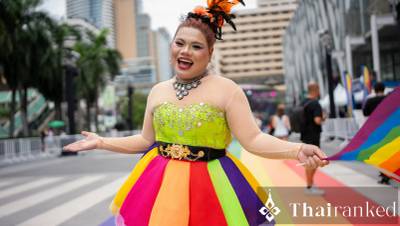
Plan your perfect Pride outfit in Thailand with tips on comfort, culture, must-have accessories, and spotlight on local style for the ultimate celebration.
Explore why Thailand stands out as one of the world's most LGBTQ+ friendly destinations, from culture and nightlife to legal rights and celebrated events.
Explore why kathoey (ladyboys) are so visible and accepted in Thailand. Discover Thai culture’s take on gender, workplaces, and LGBTQ+ acceptance.
Plan your year with our 2026 month-by-month guide to Thailand LGBTQ+ Pride events, festivals, drag shows, and more across Bangkok, Chiang Mai, Phuket, and beyond.
What people ask about
"Speak Respectfully: Thai LGBTQ+ Vocabulary, Pronouns, and Etiquette for Travelers"
Here you will find answers to the most popular questions about Thailand.