The Story Behind Elephant Pants: Thailand’s Iconic Trousers
July 27, 2026 10:19 AM
Last edited: July 27, 2026
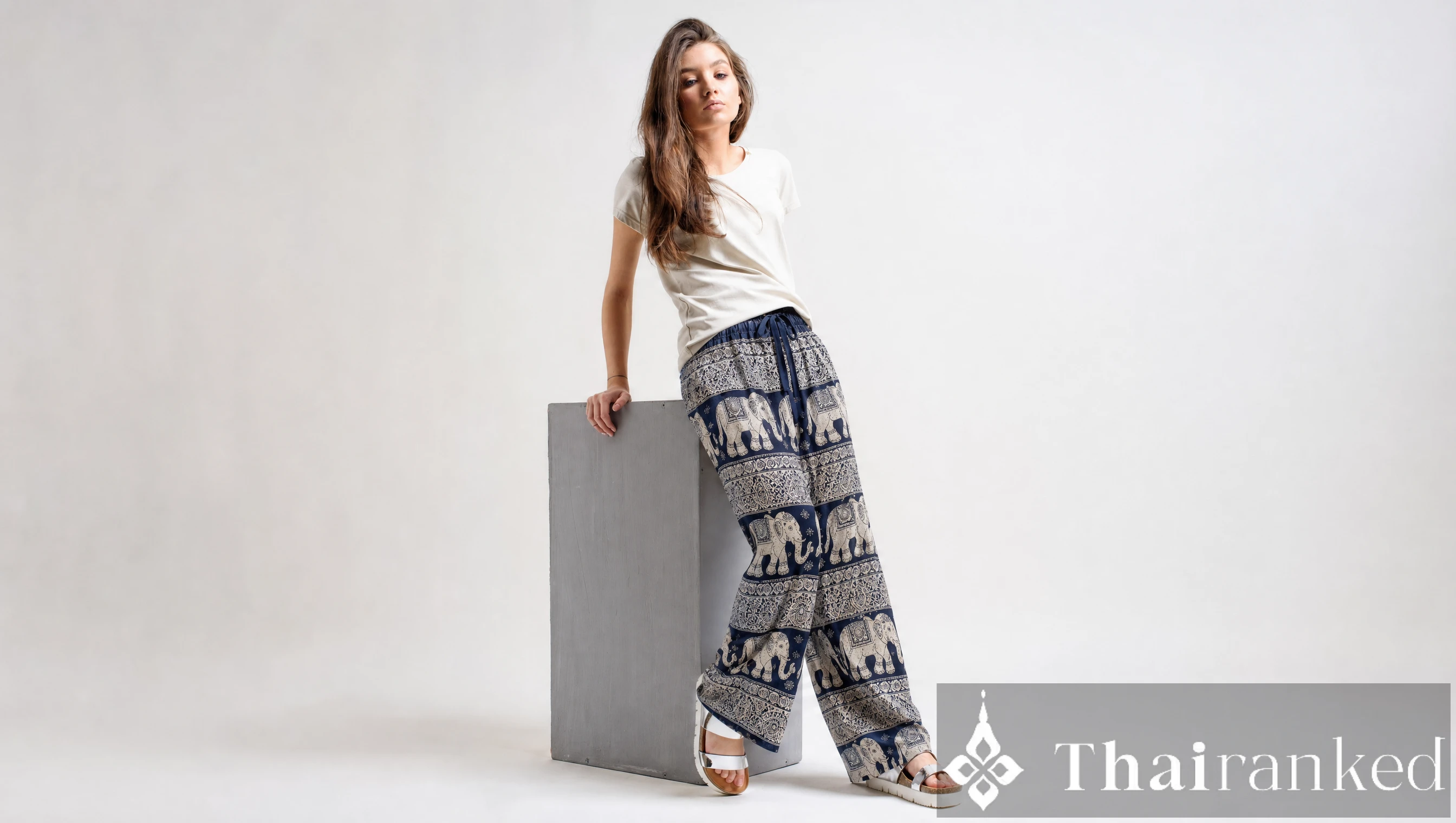

by Thairanked Guide
Thairanked helps you discover great places in Thailand!
Search Hotels & Flights
Elephant pants feel like a symbol of Thailand for many travelers. You have seen them in hostel dorms, on walking markets, and on beaches. The loose cut, the wide legs, and the elephant motifs make them easy to pack, easy to wear, and hard to forget. This guide explains where elephant pants come from, what the elephant design means, and how to buy authentic pairs without losing respect for local culture.
Origins and practical design
Tailors in northern Thailand adapted loose, wrap-style trousers to suit humid weather and active days. Craftspeople used light cotton and rayon to produce a garment that breathes and dries fast. The wide legs let air move across the skin, and the elastic waist fits a range of body types. Street vendors and small sewing shops sold early versions to markets frequented by visitors, and the trousers spread through word of mouth among backpackers.
Why the elephant motif?
Elephants carry weight in Thai history, religion, and national identity. Monks, farmers, and kings worked with elephants throughout Thai history. The animal appears in temple carvings and festival parades. Designers printed elephants on trousers to reference that cultural resonance, and tourists bought the pattern as a wearable souvenir. The motif signals a connection to Thailand without needing words.
From market stall to global trend
Market sellers and small brands found a steady demand among travelers who wanted comfort and a piece of Thailand to take home. Social media amplified photos of smiling travelers wearing loose trousers while exploring temples or sitting at a river. Manufacturers scaled up production, and versions of the trousers started appearing outside Thailand. Brands abroad copied the silhouette, sometimes removing cultural markers and focusing purely on fashion.
Cultural questions and ethics
Buyers face a choice. You can purchase trousers as a respectful token from a local maker who uses traditional patterns and pays fair wages. Alternatively, you can buy mass-produced items that use the elephant image without supporting Thai artisans. Seek sellers who explain their process, and ask whether the print design draws from a regional style. This small question helps you support fair trade and keeps money in local communities.
How to shop for authentic elephant pants in Thailand
Markets in Chiang Mai and Bangkok remain the easiest places to shop. Look for sewing shops that show fabric bolts and a sewing station. Vendors who cut patterns in front of you usually sell made-in-Thailand trousers. Avoid shops that package products in factory-sealed bags without any description of origin.
Bring a sense of patience when you haggle. Vendors expect discussion, and polite bargaining keeps prices fair for both sides. Carry a small coin purse for street purchases and bigger bills for boutique stores. For a deeper shopping plan, read our Where to Buy Elephant Pants in Thailand guide. You will find market names, neighbourhoods, and tips for inspecting fabric quality.
Styles and materials
- Lightweight cotton, the most breathable option for hot months.
- Rayon blends, which drape well and resist heavy creasing.
- Fleece or knit versions, intended for cooler climates or fashion hybrids.
Designers pair elephant prints with geometric borders, floral accents, or plain neutral fields. Some trousers include pockets and reinforced seams. Choose styles that match your travel needs. For example, pick a pair with deeper pockets if you plan to walk markets. If you travel light, choose an easily folded rayon pair that occupies little space in a daypack.
How to wear and pair elephant pants
Street fashion in Thailand uses these trousers in multiple ways. You can tuck the hem into sandals for a casual market look, or cuff the waist and wear a fitted top for an evening out. Bring a plain shirt or a lightweight jacket to mix patterns carefully. For temple visits, wear a shirt that covers shoulders and a hem that meets cultural requirements. If you carry a scarf, use it to show respect while entering sacred spaces.
Care and washing tips
Most elephant pants accept a cold wash. Turn patterned pairs inside out to protect the print, and avoid strong detergent that strips dye. Hang trousers to dry in shade to prevent fading. A short press with a low-heat iron removes creases. If your trousers contain delicate hand-stitched areas, hand-wash and air dry to preserve the seams.
Where travelers buy them
Backpackers often buy trousers in Chiang Mai and on Khao San Road, while expats sometimes order from small Thai brands for a tailored fit. Read our Chiang Mai travel guide for transit tips if you plan a shopping day. Street markets give the most variety. If you prefer history and context with your purchase, stop at a small workshop that shows dyeing and block-printing techniques.
Local sellers vary in scale. You will meet sewing stalls that make trousers on the spot, family-run shops with experience sewing these patterns, and modern boutiques that brand traditional designs for global audiences. Carry a reusable bag for multiple purchases, and inspect seams before you buy. Tailors in market neighborhoods will alter waistlines or shorten hem lengths for a small fee.
Misconceptions and respectful choices
Visitors sometimes assume elephant pants represent rural poverty or a single Thai style. The garment belongs to a wider clothing tradition that mixes regional techniques. A vendor who sells trousers at a market may also produce scarves, woven belts, and other garments that share weaving patterns. Ask about the fabric origin. You will learn more about local crafts and the person who made your trousers.
Avoid wearing the trousers while participating in religious ceremonies if a vendor flags a specific pattern as sacred. Shopkeepers will tell you when a print carries ritual meaning. Respect that guidance, and enjoy your trousers during travel activities instead.
How elephant pants fit into modern Thai fashion
Young designers in Thailand reinterpret the silhouette in contemporary collections. They combine modern cuts, technical fabrics, and minimalist prints. Buyers in Bangkok and Chiang Mai expect variety, and designers answer that demand. If you follow streetwear trends, you will see elephant motifs reappear on shirts, bags, and even sneakers, while tailors keep making classic trousers for the travel crowd.
For backpackers who plan long routes, read our Ultimate Backpacking Guide Across Thailand for packing tips that include folding trousers and mixing garments. For a taste of the tourist market, visit Khao San Road and read our history piece Khao San Road From "Milled Rice" Market to Backpacker Hub to understand how the area shaped souvenir culture.
Key takeaways
- Elephant pants combine practical design with cultural symbolism, and they suit Thailand's climate and travel needs.
- Buy from local workshops when possible, inspect seams, and ask about fabric origin to support fair trade.
- Wear trousers respectfully near temples, and heed vendor advice about sacred patterns.
- Choose materials based on travel style, cotton for breathability and rayon for compact packing.
- Explore Chiang Mai and Khao San Road for the widest selection, or order from Thai designers for tailored fits.
Search Hotels & Flights
Related Insights
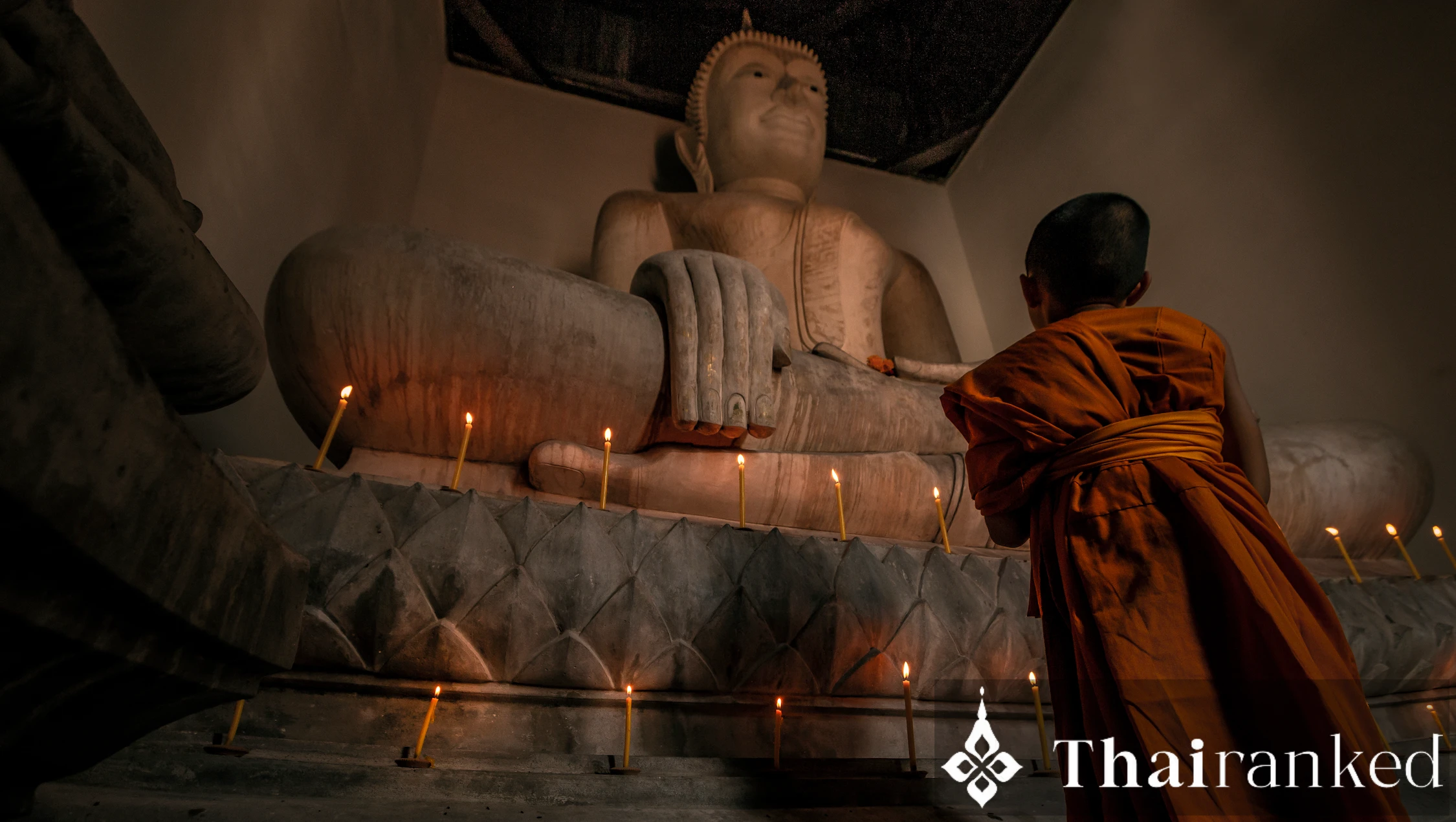
Explore Thailand's Khao Phansa, the three-month Buddhist Lent. Learn origins, temple rituals, candle festivals, and traveler tips for respectful visits.
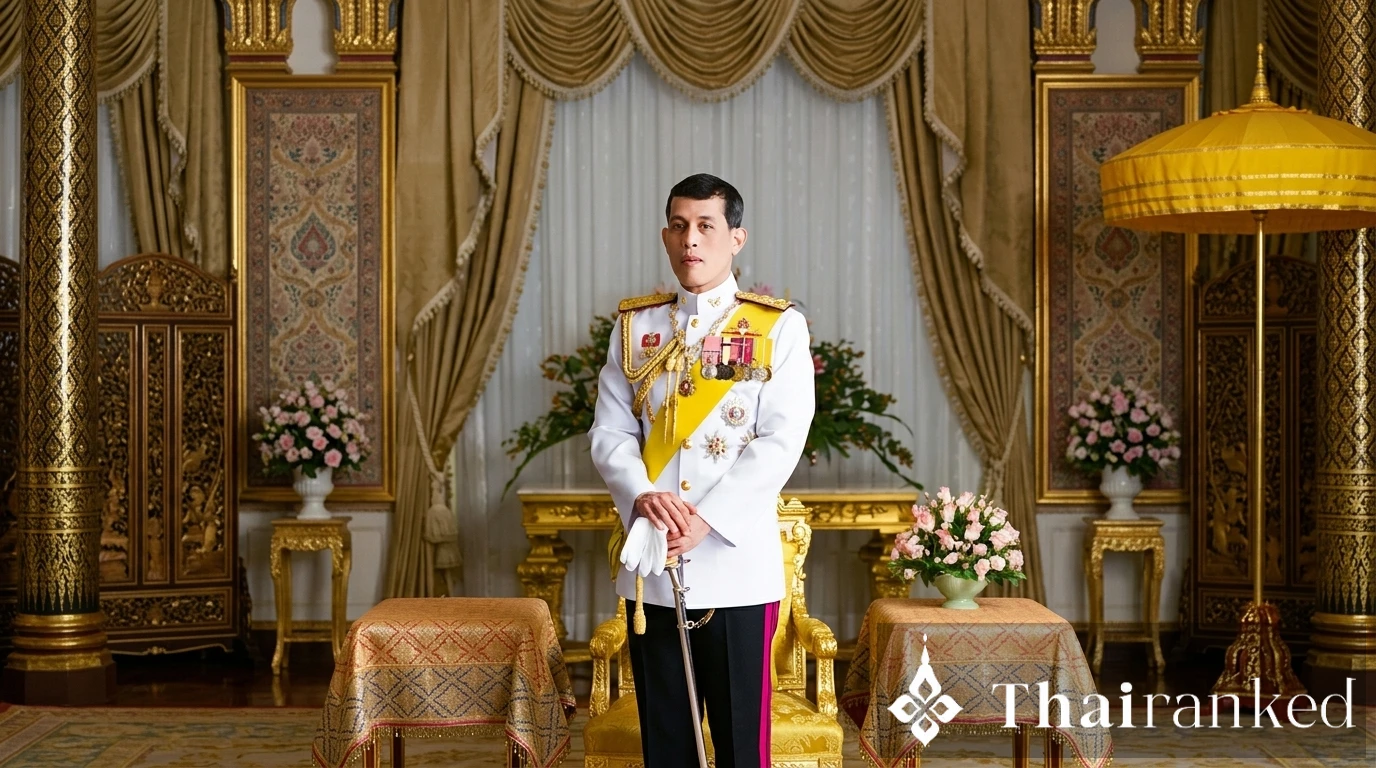
Explore the history of King Rama X's birthday, how Thailand honors July 28, royal ceremonies, religious rituals, public customs, and tips for visitors and expats.
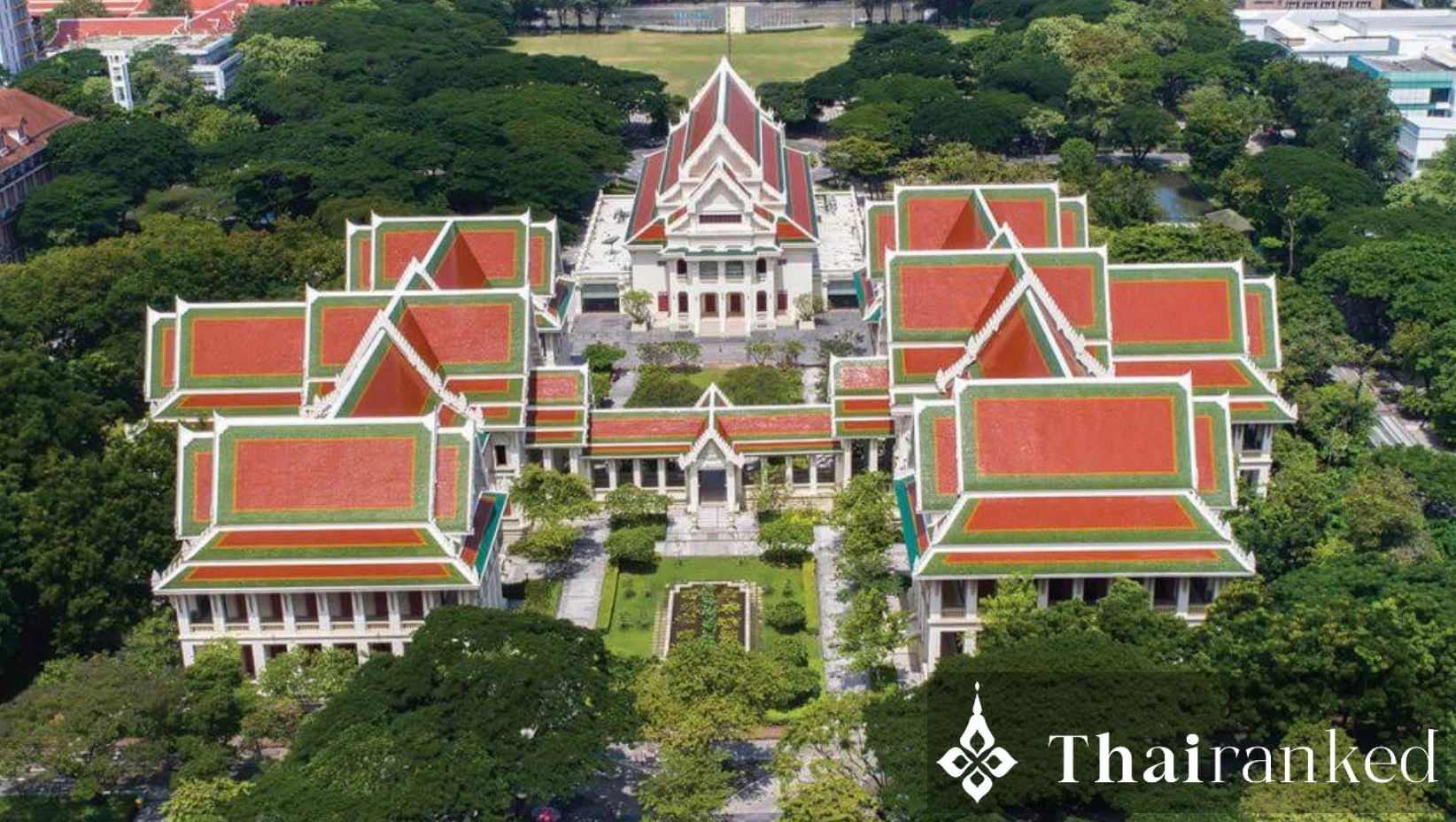
Trace Chulalongkorn University's story from its 1917 founding by King Vajiravudh to its centenary in 2017, campus growth, academic legacy, and modern role.
Discover the cultural heart of Muay Thai, the teacher tribute and sacred piphat music that move every fighter beyond the ring.
Discover the fascinating legend and history behind Bun Bang Fai, Thailand’s explosive Rocket Festival that launches homemade rockets to awaken the rain gods.
What people ask about
"The Story Behind Elephant Pants: Thailand’s Iconic Trousers"
Here you will find answers to the most popular questions about Thailand.