The History of Phuket Old Town
July 29, 2026 03:51 AM
Last edited: July 29, 2026

by Thairanked Guide
Thairanked helps you discover great places in Thailand!
Search Hotels & Flights
Related Insights



Phuket Old Town sits at the center of the island's memory. You walk past rows of pastel shophouses, feel the stone underfoot on Thalang Road, and read faded shop signs in three scripts. The streets hold stories about trade, migration, and reinvention that shaped Phuket into a place visitors choose again and again.
Origins: From fishing village to tin economy
Local fishing communities occupied the island for centuries. Tin deposits drew people and capital to Phuket. Chinese migrants arrived to mine and trade tin, while merchants from Europe and India opened agencies and warehouses. Traders loaded ore and rice at the island's small ports, and investors bought land for shophouses near the waterfront. You see that history in the town grid, which designers laid out to link homes, stores, and docks.
Miners and merchants built wealth around the tin trade, and that wealth funded the town's first permanent buildings. Families invested in masonry, tile, and decorative tilework instead of temporary wooden huts. The resulting streetscape fused styles and became the foundation for the district you explore today.
Sino-Portuguese architecture: A visible legacy
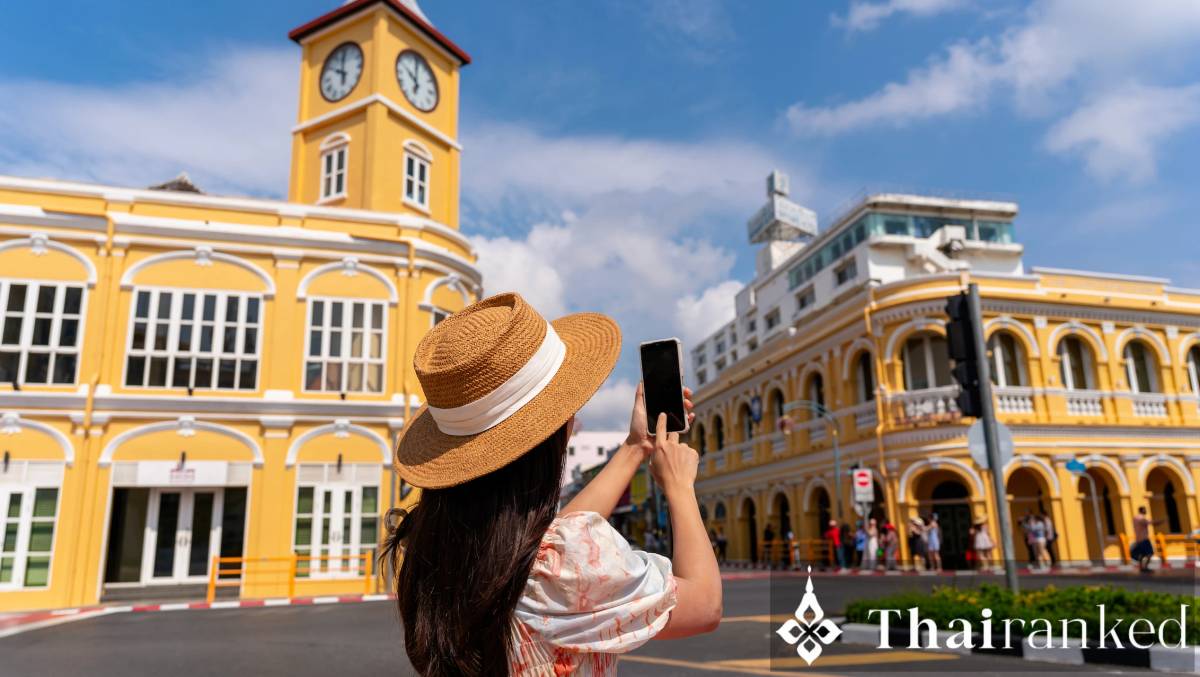
Shophouses display a mix of Chinese and European details, known as Sino-Portuguese style. Merchants added stucco flourishes, arched windows, and ornate cornices to otherwise practical commercial buildings. You will notice colorful facades, ceramic tile roofs, and recessed verandas that provided shade. Designers oriented rooms to catch sea breezes, and you find narrow lanes that funnel wind through the block.
Traders decorated doorways with ceramic panels and carved wood lintels. Chinese characters and Portuguese flourishes appear on the same lintel. That combination reflects a pragmatic mindset, where builders borrowed any detail that signaled success, comfort, or respectability.
Communities and culture: Chinese, Thai, Malay, and beyond
Chinese dialect groups, including Hokkien and Teochew speakers, formed the core of the mining workforce. Those communities kept connections to southern China, while forming new ties across Southeast Asia. Traders from India and merchants from Europe added goods and tastes. You find evidence of those contacts in old shops that sold spices, porcelain, and imported cloth.
Religious life took multiple forms. Chinese shrines stand beside Buddhist wats, and Muslim families kept trading networks across the Strait of Malacca. Festivals added rhythm to the year. Community halls hosted meetings, while tea houses served as informal exchanges for news, credit, and marriage arrangements.
Economic shifts: Decline, adaptation, and modern revival
Tin prices later changed, and global demand shifted. The town saw periods of decline as mining moved to other places and business owners left for Bangkok or overseas. Some merchants converted shophouses into storage or simple rental rooms, and maintenance fell behind. You can still spot original tilework under layers of paint, and you can imagine the boom conditions that paid for those tiles.
The revival began when local residents and planners saw value in preserving the streetscape. Restoration projects returned facades to historical colors, and small museums moved into restored buildings. Cafes, art galleries, and guesthouses opened, giving life back to long-empty rooms. That mix of preservation and reuse turned the district into a cultural draw for photographers, food lovers, and heritage travelers.
Streets to know: Thalang, Dibuk, Krabi, and Soi Romanee
Thalang Road serves as the main spine of the Old Town. You will find a concentration of restored shophouses, boutique stores, and a night market that operates on Sundays. Dibuk Road runs parallel and hosts colonial villas and small museums. Krabi Road leads toward the coast and includes traditional tailors and print shops. The tiny lane called Soi Romanee contains some of the town's most photographed pastel houses and compact guesthouses.
Walking these streets gives a clear sense of how the town mixed commercial life with family life. Shophouse owners ran a shop on the ground floor and lived upstairs, and that arrangement kept neighborhoods active after dark. That human scale remains the main reason visitors prefer the Old Town over modern malls.
Cultural sites and museums
Small museums and cultural centers preserve objects and oral histories. The Thai Hua Museum occupies an old school building and interprets Chinese migration, language, and education in Phuket. Local heritage groups host guided walks and lectures. Shrines such as Jui Tui Shrine and smaller community temples invite visitors during festivals, and street-level signs often explain the site's history in English and Thai.
Art spaces and craft shops populate converted warehouses. You can watch craftsmen repair lacquerware, print traditional fabrics, and restore teak furniture. These crafts link present-day visitors to skills that older generations used to support trade and household life.
Markets, food, and street life
The Sunday market on Thalang Road started as a way for local traders to sell produce and handicrafts to weekend crowds. You will find plates of noodles, pork satay, local sweets, and fruit stalls. Street vendors serve dishes that blend Chinese, Malay, and southern Thai flavors, including recipes with turmeric, coconut, and tamarind. Small coffee shops roast beans on the premises, and you can pair a rich cup with a sweet roti or pandan cake.
Beyond food, the Old Town hosts design shops that sell ceramics, hand-printed textiles, and restored furniture. Galleries stage exhibitions that highlight island life, and independent bookshops carry titles about Phuket's history and travel guides.
Festivals and events
Festivals animate the Old Town in many seasons. Vegetarian Festival events attract large crowds, and Chinese New Year parades draw dragon dances and lanterns. Cultural weeks present film screenings and live music in public squares. Planners and community groups schedule heritage walks that match festival dates, so you can see processions, taste ritual food, and hear stories from elders who recall the mining era.
Night markets and photo walks create a different rhythm. Market stalls add color to the streets, and musicians perform in open courtyards. These events create a living heritage, where commerce reinforces memory and residents meet neighbors at stalls and cafes.
Preservation challenges and community action
Preservation requires continuous effort. Owners need funds to restore lime plaster, tile roofs, and wooden shutters. Municipal planners have to manage traffic, sanitation, and tourism so that residents can live without excessive noise or congestion. Local activists formed associations that advocate for heritage rules and small grant programs for owners. You can support those efforts by choosing family-run guesthouses, eating at local stalls, and buying crafts from neighborhood artisans.
Practical tips for visiting
Walk the Old Town on foot, and start early to avoid heat and crowds. Browse shops on Thalang Road, then take a coffee break on Dibuk Road. Reserve a Sunday for the market if you want food and craft stalls. If you prefer morning runs on the coast before exploring town, check the Best Beach Running Trails in Phuket guide. For a long lunch or relaxed weekend buffet, the Top 5 Sunday Brunches in Phuket list helps you plan. After dark, pick a rooftop bar near the Old Town or head to beach clubs if you want a party vibe, see The Best Beach Clubs in Phuket. If you visit for New Year’s Eve, consult the Top 5 Places to Celebrate New Year’s Eve in Phuket to plan ahead.
Respect local customs at shrines and temples. Remove shoes when an owner asks, and avoid loud behavior during religious processions. Carry cash for small purchases, because many vendors prefer baht over cards.
Walking route suggestion
- Begin at the heritage sign on Thalang Road and head east to Dibuk Road.
- Turn into Soi Romanee for photos and small cafes.
- Loop back through Krabi Road, then cross to the waterfront for sunset views.
Conclusion
Phuket Old Town combines trade, migration, and architecture into streets that invite exploration. You experience layers of history when you enter a shop, taste a fusion snack, or chat with an elder on a shaded bench. Preservation keeps those layers intact, and community businesses supply the daily energy that keeps the district alive. Bring curiosity, comfortable shoes, and an appetite for food and history.
Key takeaways
- Tin mining in the late 1800s created the wealth that built the Old Town.
- Sino-Portuguese architecture defines the town's look and feel.
- Restoration and small businesses revived the area for visitors and residents.
- Visit on Sunday for the food market, and walk Thalang, Dibuk, and Soi Romanee for the best experience.
- Support heritage by choosing local shops, guesthouses, and guides.
Search Hotels & Flights
Related Insights
Discover the grand Reclining Buddha at Wat Pho, the vision of King Rama III, and the historic birthplace of Thai education through Wat Pho’s unique inscriptions.
Explore the romantic legend behind Koh Samui’s Hin Ta Hin Yai rocks, rooted in Lanna tradition and Thai folklore. Discover their meaning and traveler tips.

Explore why wellness tourism in Thailand is booming, the hotspots for healing retreats, and must-try spa, detox, and wellness experiences across the country.
Learn how to safely enjoy Thailand’s macaques in Lopburi, Railay, and Phuket. Practical tips on avoiding bites, theft, injuries, and respecting local monkey culture.

Thailand winter guide for Dec–Feb: plain-English monsoon and sea conditions, PM2.5 hotspots, and the best month-by-month picks for the North, Andaman and Gulf.
What people ask about
"The History of Phuket Old Town"
Here you will find answers to the most popular questions about Thailand.