The Complete Guide to Retirement Visas in Thailand
April 09, 2026 02:49 AM
Last edited: April 09, 2026


by Thairanked Guide
Thairanked helps you discover great places in Thailand!
Search Hotels & Flights
Your Step-by-Step Guide to Retirement Visas in Thailand
Thailand’s cost of living, warm climate, and vibrant culture attract thousands of retirees every year. Whether you picture your golden years spent on a Chiang Mai hillside, in a Pattaya condo, or wandering Bangkok’s night markets, you’ll need the right long-stay visa first. This guide covers the types of retirement visas, eligibility, paperwork, costs, and the real-life quirks you must consider if you want to enjoy a stress-free Thailand retirement.
Types of Retirement Visas in Thailand
Thailand offers two main visa categories for retirees:
- Non-Immigrant O (Retirement) Visa: For those ages 50 and up, apply from within Thailand or from a Thai embassy/consulate overseas.
- Non-Immigrant OA (Long Stay) Visa: For those 50 and up, applies from your home country before arrival. Offers a 1-year stay on entry, renewable annually in Thailand. Includes mandatory health insurance requirements.
Who Can Get a Retirement Visa?
- At least 50 years old on the application date
- No criminal record in Thailand or your home country
- Must meet financial requirements (see below)
- Health insurance (for OA visas or O-A renewals)
If you plan to apply for a retirement visa, you must usually have a passport with at least 18 months’ validity if starting from abroad, or 12 months if applying inside Thailand.
Financial Requirements (the Crucial Part)
Thailand needs to see proof that you can support yourself. You must have one of these:
- 800,000 THB in a Thai bank account (on deposit for at least 2 months before your renewal, 3 months before first extension)
- OR a monthly income or pension of at least 65,000 THB (must show official proof and transfers)
- OR a combination of deposit and pension, totaling 800,000 THB annually
Banks in Thailand issue an official letter confirming your balance. You’ll need this every year. If your country’s pension system won’t provide an official letter, consider opening a Thai account well ahead of time and transferring funds in regular tranches.
Retirement Visa Process: Step-by-Step
Step 1: Enter Thailand (If Not Already Here)
Most retirees arrive on a 60-day tourist visa or 30-day visa-exempt entry. Others secure a Non-Immigrant OA visa from their local Thai consulate before traveling. If you’re inside Thailand, you’ll convert your stay to a Non-Immigrant O (Retirement) at an immigration office.
Step 2: Open a Thai Bank Account
Banks may have varying requirements, but the staples are your passport, visa entry stamp, and a Thai address. Immigration-friendly banks in major cities include Bangkok Bank and Kasikorn Bank. Popular expat areas make this process smoother.
Step 3: Gather Documentation
- Passport (with at least one year validity)
- Visa application form (TM.7 for extension)
- Thai bank book and current bank letter (for deposit method)
- Proof of income/pension (embassy letter or transfer statements)
- Passport-sized photos (recent, white background)
- TM.30 Notification of Address receipt (shows your landlord reported your address to immigration)
- Copy of rental agreement or house registration (tabien baan) where you live
- Health insurance (OA visa or O-A renewal)
Step 4: Apply at Immigration (or Thai Embassy, if Abroad)
Hand in your paperwork at your local immigration office or home-country embassy. In Thailand, the fee for the one-year extension is 1,900 THB (cash only).
Step 5: Wait for Processing
Processing at Thai immigration usually takes a day. Embassy-issued OA visas can take up to three weeks. Keep your receipt and check back if instructed.
Step 6: Reporting and Renewals
- You must report your address to immigration every 90 days (TM.47 form, in person or online where available)
- Renew your retirement extension every year, using updated bank letters and income proof
Missing your 90-day report can result in a fine.
Health Insurance: The OA Visa Twist
Non-Immigrant OA applicants must buy Thai-approved health insurance with at least 400,000 THB inpatient and 40,000 THB outpatient coverage. Providers like Pacific Cross and Luma meet these guidelines. Some Non-Immigrant O extensions require insurance too, so check requirements for your immigration office in advance.
Retirement Visa: Pros, Cons & Common Problems
- Pros: Multiple-entry capability (with 3,800 THB re-entry permit). Freedom to live across Thailand. Less red tape than other options.
- Cons: No legal right to work. Must maintain bank balance. Annual paperwork grind. High health insurance premiums for OA holders.
- Pitfalls: Thai bureaucracy evolves quickly. Immigration offices can apply rules differently. Always check the official website and speak to staff in person before applying or renewing.
Can You Bring Your Spouse?
Yes. Your spouse (even if under 50) qualifies for a Non-Immigrant O visa as your dependent. They’ll need your marriage certificate, proof of your income/funds, and standard paperwork above. Each must report and renew separately.
Real Life: Where Do Retirees Live?
Bangkok offers world-class healthcare, great transport, and all the amenities. Chiang Mai delivers peace, cleaner air in cool season, and a laid-back scene. Pattaya combines cosmopolitan convenience with beachfront living, and affordable condos. Explore our Bangkok accommodation guides and coastal retirement hotspots for location inspiration.
Retirement Visa vs. Other Long-Stay Options
- Thai Elite Visa: Big up-front cost but no annual income proof
- Marriage Visa: For foreigners married to Thai citizens (financial requirements are lower than the retirement route)
- Education Visas: Language or university programs, but not a long-term solution
If you want extra convenience and flexibility, consider short-term hotel stays while sorting your paperwork, especially if you’ll visit different regions before settling.
Expert Tips for a Smooth Retirement Visa Experience
- Visit your local immigration office well before your visa expires. Queue times can spike before big holidays.
- Keep color photocopies of all visa pages, bank books, and receipts.
- Stay up to date on rules at Thai Immigration’s official site and ask expats in local Facebook groups about quirks in your region.
- Test drive different areas first. If you want lively social circles, Bangkok’s night markets and community meetups set a welcoming tone.
FAQs
- Can retirees work on a retirement visa? No, you cannot work in Thailand on a retirement visa.
- Do I need to pay Thai tax? Not on overseas pensions, but Thai-source income gets taxed.
- Can I leave and re-enter Thailand? Yes, but you must buy a re-entry permit to keep your visa alive.
- How early can I renew? Usually, 30 days before expiry, but rules shift. Ask locally for specifics.
Key takeaways
- Thailand’s retirement visas suit those over 50 with financial security and solid paperwork.
- You must maintain required bank balances, or pension transfers, and health insurance if needed.
- Annual renewals take planning and up-to-date paperwork.
- Bureaucratic quirks depend on the immigration office and law changes. Always check before acting.
- Take time to explore the best cities and regions for your retirement style.
by Thairanked Guide
Thairanked helps you discover great places in Thailand!
Search Hotels & Flights
Related Insights

Find out Thailand Immigration Bureau office hours and closures during Songkran 2026. Learn when to plan visa extensions, renewals, and 90-day reporting.

Discover a step-by-step guide to sightseeing along Bangkok’s Chao Phraya River using express boats, piers, fares, and tips for travelers and expats.

Learn to spot heatstroke symptoms, act fast, and stay safe in Thailand's extreme heat. Essential signs, prevention advice, and response steps.
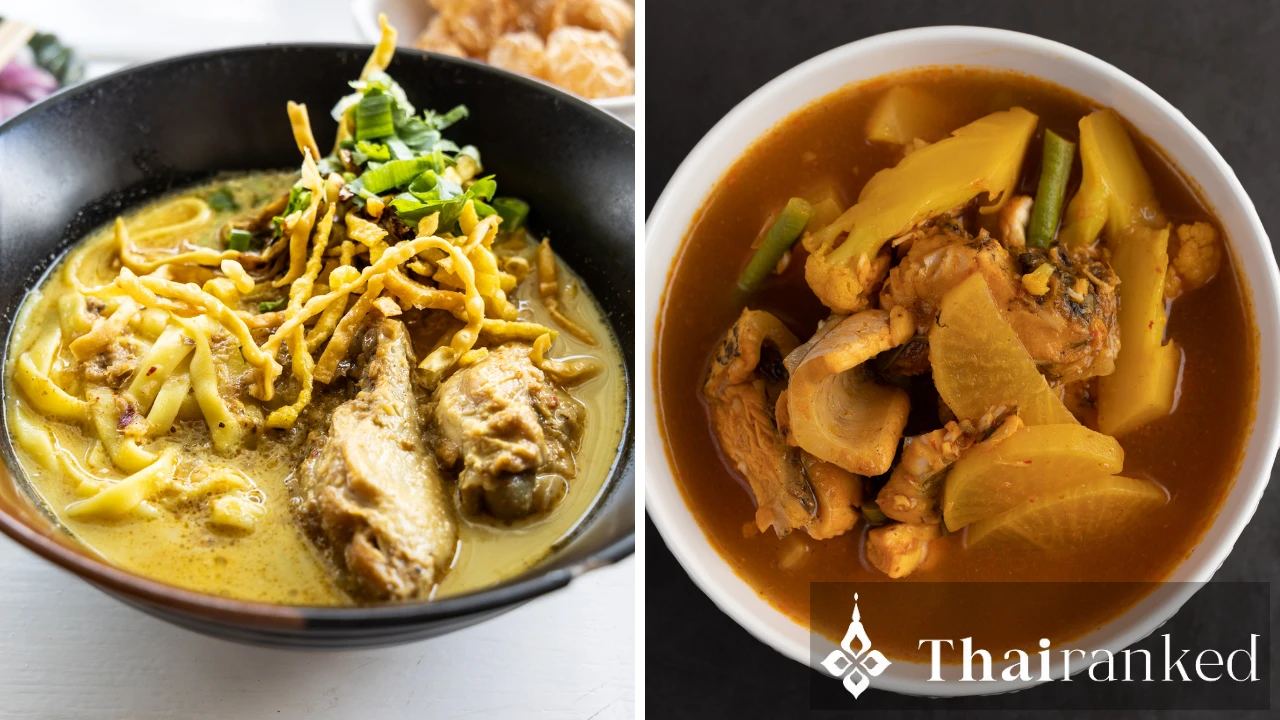
Explore Northern and Southern Thai cuisine. Discover the unique flavors, essential dishes, and what sets these regions apart in Thailand’s vibrant food culture.

Discover the best fabrics to beat the Bangkok heat this April. Stay cool, comfortable, and stylish with our guide to hot-weather clothing in Thailand.
What people ask about
"The Complete Guide to Retirement Visas in Thailand"
Here you will find answer to the most popular questions.