Why You Shouldn't Wash Hair or Sweep Floors in Chinese New Year
January 21, 2026 04:49 AM
Last edited: January 19, 2026

by Thairanked Guide
Thairanked helps you discover great places in Thailand!
Search Hotels & Flights
Chinese New Year Taboos in Thailand: Why You Shouldn't Wash Hair or Sweep Floors
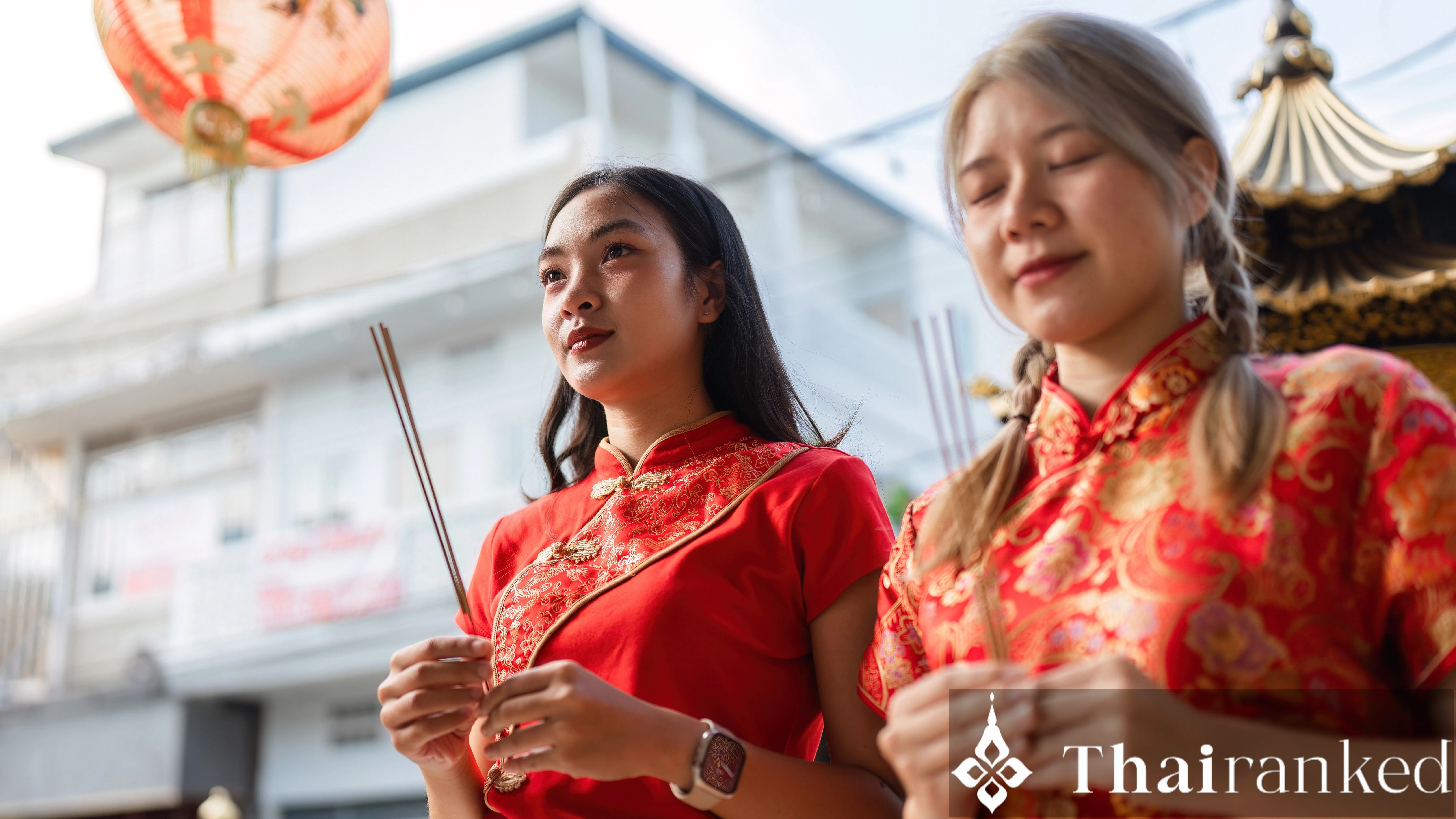
As the Lunar New Year approaches, vibrant red lanterns, the rhythmic crackle of fireworks, and delicious feasts fill the streets of Thailand’s Chinese communities. For many Thai-Chinese families, it’s a time to honor ancestors, renew family ties, and, most importantly, invite good fortune for the year ahead. But did you know that ancient taboos play a big role during this festive season? From avoiding chores to skipping your morning wash, Chinese New Year traditions are steeped in symbolism, especially when it comes to two big no-nos: washing your hair and sweeping the floor. Let's uncover these taboos, their origins, and how you can respectfully join the celebrations in Thailand.
Why Taboos Matter During Chinese New Year
For centuries, Chinese families in Thailand and around the world have spent the New Year period following strict rules and customs. These seemingly quirky prohibitions aren’t just for show; they’re deeply rooted in superstitions about luck, prosperity, and protection from bad spirits. The first couple of days of the Lunar New Year, called Chun Jie in Mandarin or Trut Jeen in Thai, are believed to set the tone for the entire year. So the idea is simple: act with care so you don’t “sweep away” or “wash away” your good fortune!
Don't Wash Your Hair: Washing Away Wealth
Let’s start with one of the most surprising taboos: no hair washing on the first day of the Chinese New Year. Why? In Chinese, the word for "hair" (fa) sounds similar to the word for "prosperity," and by washing your hair, you symbolically wash away your luck and prosperity for the upcoming year. This taboo is especially observed on the very first day, when everyone hopes to bank as much good fortune as possible!
So how do Thai-Chinese families practice this tradition? Most will wash and freshen up thoroughly on New Year's Eve, a big cleaning session, including hair wash and baths for everyone. But come New Year's Day, everyone skips washing their locks, keeping wealth (and shampoo) firmly in place.
Don't Sweep the Floor: Keeping Luck at Home
If you thought hair-washing was strict, consider that even sweeping can land you in taboo territory. During Chinese New Year—especially on the first and sometimes second day- it’s frowned upon to sweep or take out the trash. The reasoning is clear: sweeping or discarding things is seen as sweeping away blessings and good fortune that the New Year brings.
That’s why families will do a major deep clean before the holiday. On New Year's Day itself, the broom is put away, and any trash stays in the bin until it’s safe to resume chores. If you absolutely must sweep, custom says to sweep inward instead of out, and not throw anything outside!
Other Popular Chinese New Year Taboos
Of course, there’s no shortage of tradition during the Chinese New Year in Thailand. Here are some more taboos to watch out for if you join a family gathering or neighborhood celebration:
- No breaking things: Breaking plates, cups, or anything fragile is seen as a bad omen, symbolizing shattered prosperity.
- Avoid negative words: Words relating to death, illness, or poverty are avoided at all costs to keep bad luck at bay.
- Don't use sharp objects: Using scissors or knives is discouraged, as they are believed to “cut” your stream of good fortune.
- No lending money: Lending or borrowing money on New Year’s Day can lead to financial trouble throughout the year.
- No crying or arguing: Tears and fights are thought to bring continued sadness or conflict, so everyone puts on a happy face!
- Don't wake people up: Waking someone to wish them a happy new year means they could be pressured all year long!
Where to Experience the Chinese New Year in Thailand
Thailand has a sizeable Chinese community, and the New Year is a public affair in cities like Bangkok, Chiang Mai, Hat Yai, and Phuket. The heart of the action is undoubtedly Bangkok’s Chinatown (Yaowarat), renowned for its colorful processions and food markets. If you’re looking for other great spots, check out our guide on Christmas celebrations in Bangkok; many spots host multiple multicultural festivals!
For expats and visitors interested in blending tradition with modern hospitality, explore the best boutique and luxury hotels in Bangkok that often host Chinese New Year events and special menus. You might also find traditional costume rentals to dress up and join community parades!
How Locals Combine Tradition and Modern Life
In Thailand’s big cities, you’ll find a fascinating blend of old-school New Year customs with modern celebrations. While some urban families tightly follow the taboos, others take a more relaxed approach, especially if work or school schedules get in the way. Still, most will do at least a symbolic cleaning before New Year’s Day and avoid arguments or negative talk. Even those who don’t fully observe all taboos often join in the red-and-gold festivities, enjoy elaborate meals, and visit temples for merit-making.
Planning to visit during the season? If you want to dive deeper, check out Bangkok activities on Get Your Guide; there are plenty of cultural walks and Chinatown tours to choose from.
FAQs about Chinese New Year Taboos in Thailand
- How long do these taboos last? The strictest observance is on New Year's Day itself, but some families extend the taboos into the second or third day.
- What happens if you accidentally break a taboo? Don’t panic, traditionally, people say auspicious words to counteract bad luck, or break open a red packet (ang pao) for good luck.
- Can tourists join New Year celebrations? Absolutely! Just show respect for local customs, skip jokes about good luck traditions, and greet families with a cheerful "Xin Nian Kuai Le!" (Happy New Year!)
Key takeaways
- Avoid washing hair or sweeping floors on the first day to preserve good fortune.
- Other taboos include avoiding quarrels, negative words, and lending money.
- Clean and prep thoroughly before New Year's Eve to "lock in" luck.
- You can participate respectfully as a visitor, just observe and join in the joy!
by Thairanked Guide
Thairanked helps you discover great places in Thailand!
Search Hotels & Flights
Related Insights
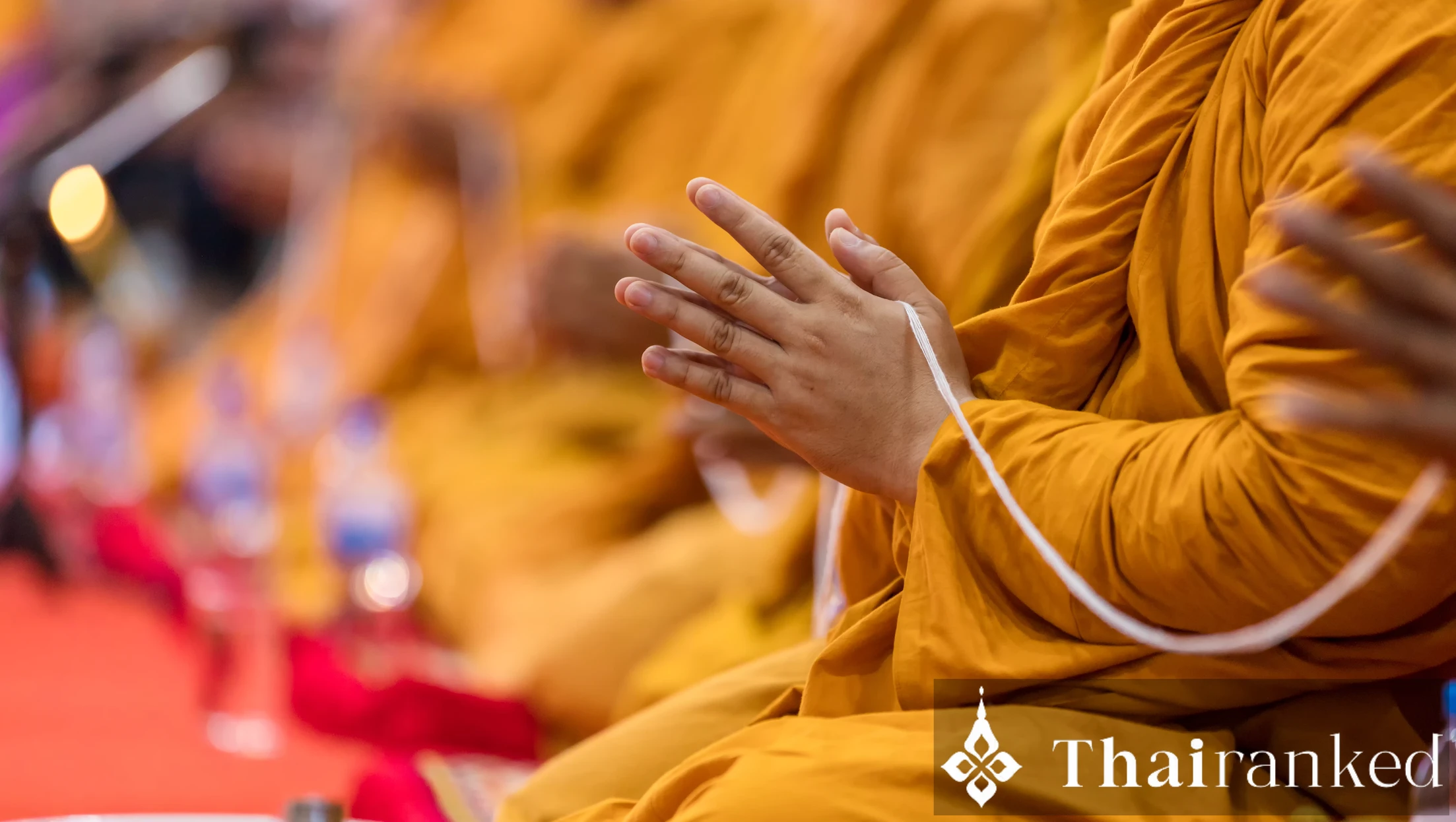
Everything expats need to know about Thailand's alcohol sales ban on Visakha Bucha Day: timing, rules, exceptions, and practical survival tips.

Discover the cultural heart of Muay Thai, the teacher tribute and sacred piphat music that move every fighter beyond the ring.
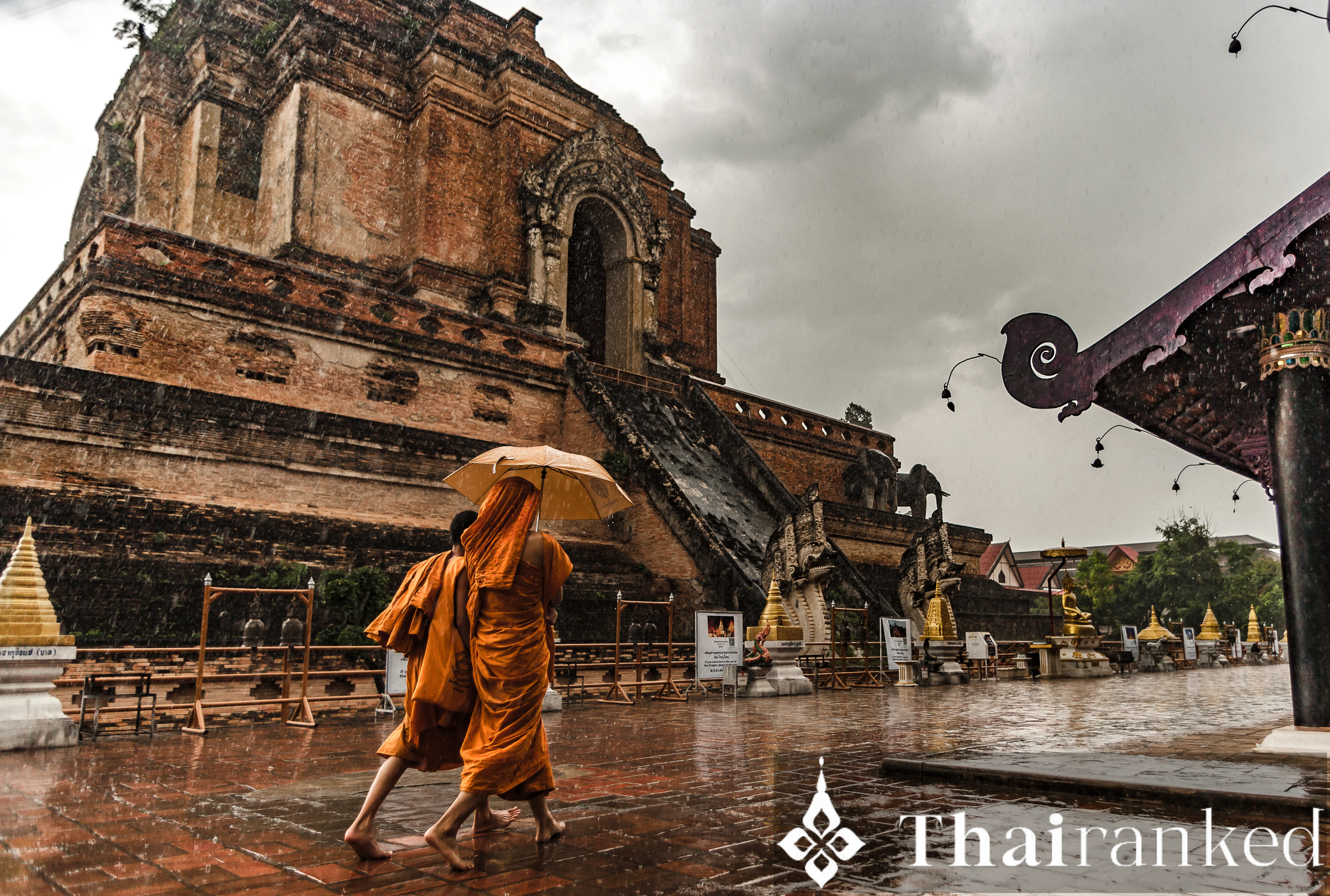
Explore Thailand’s ancient beliefs about rain and why people avoid certain acts on Buddhist holidays. Sunshowers, rituals, and rainy season customs.
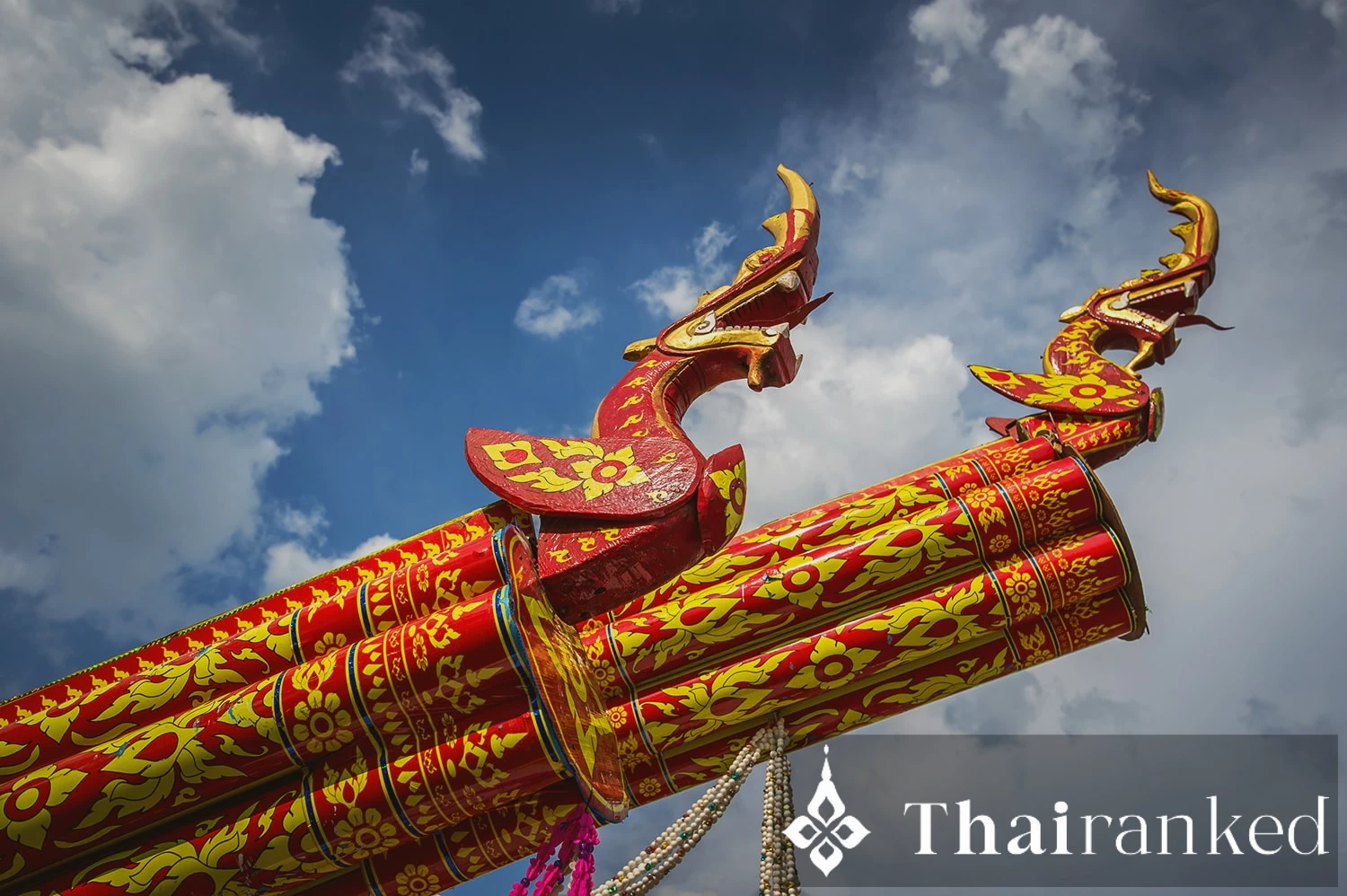
Discover the fascinating legend and history behind Bun Bang Fai, Thailand’s explosive Rocket Festival that launches homemade rockets to awaken the rain gods.
Attending your first Thai wedding? Learn etiquette, customs, dress code, ceremonies, gifts, and more in this essential guide for expats and travelers.