Buddhist Lent (Khao Phansa) in Thailand
July 27, 2026 08:26 AM
Last edited: July 27, 2026

by Thairanked Guide
Thairanked helps you discover great places in Thailand!
Search Hotels & Flights
Related Insights

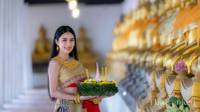
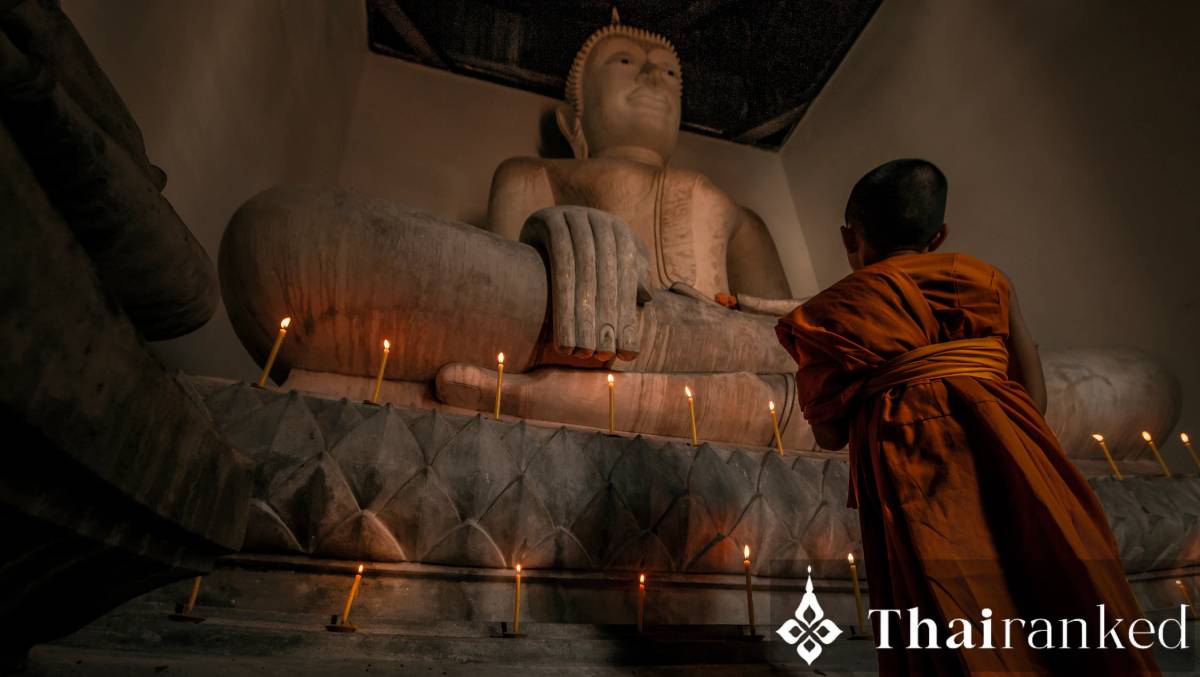
Khao Phansa, known in English as Buddhist Lent, marks a three-month monastic retreat that shapes the rhythm of Thai religious life. Monks enter a focused period of study, meditation, and temple stay, and lay communities respond with ceremonies, offerings, and local festivals. You will see a blend of solemn practice and joyful community activity across towns and provinces.
Origins and religious meaning
Buddhist scriptures describe the Buddha urging monks to remain in one place during the rainy season, to avoid traveling and harming crops or insects. Monks followed that guideline, and communities provided shelter, food, and study materials. Over centuries, that practical instruction became the formal Khao Phansa retreat. Monks use the months to deepen study, receive novice training, and strengthen ethical discipline. Laypeople use the same period to practice generosity, make merit, and reflect on their own conduct.
Rituals inside the monk community
Monks observe Khao Phansa by staying at their temple, except for necessary travel. Monks chant, study scripture, and teach lay students. Temple schedules grow more structured. You will hear longer chanting sessions and find more Dhamma talks on the temple calendar. Many temples accept volunteers for teaching English or temple maintenance. Donations of robes and religious supplies often arrive during the retreat, and temple leaders register those gifts for the end-of-retreat ceremonies.
Lay traditions and community rituals
Lay communities mark Khao Phansa through visible acts of merit-making. Women and men bring food to temples on mornings, and local markets fill with offerings wrapped for monks. Candles and wax sculptures play a central role. Cities and towns host candle parades, where artists carve elaborate wax floats. Ubon Ratchathani gained national fame for its candle festival displays, drawing visitors from across Thailand and overseas.
Candle parades and wax carving
Local craft teams spend months carving wax into mythological figures, temple replicas, and political scenes. Parade committees organize processions that travel through the town, ending at the main temple where the candles join nightly rituals. You can arrive before sunset to watch artisans finish their last details, then follow the floats through streets lit by lined lamps. Dress modestly and move respectfully near the processions, because people treat the floats as sacred.
Offerings and lay practice
Daily alms-giving grows more visible during Khao Phansa. People offer rice, fruit, packaged meals, and robes. Some families keep quiet, reflective days at home. Others hold community recitations and invite monks to lead prayers at local halls. You will find small acts of merit everywhere, from offering flowers at roadside shrines to sponsoring a communal temple meal.
Regional differences and major celebrations
Provinces express Khao Phansa through local culture. In the northeast, communities stage large parades and public performances. In northern cities, temples highlight meditation retreats and Dhamma study. Coastal towns mix temple ceremonies with boat processions and river blessings. You can plan a trip around a major candle festival or choose a quieter temple for a meditation stay. Read our A Guide to the 10 Most Popular Festivals in Thailand to compare regional events and timing.
End of the retreat: Ok Phansa and Kathina
Ok Phansa marks the end of the three-month retreat. Communities celebrate by offering robes and new cloth to monks in a set of ceremonies called Kathina. Lay donors arrange formal robe-offering presentations, sometimes with music, food, and a public speech. Temple leaders record donors and distribute the robes that support monastic life for the year ahead.
Meaning for Thai society and personal practice
Thai people use Khao Phansa as a time to reflect and renew. Families plan acts of merit that bind generations. Schools and workplaces schedule visits to temples on special days. You will notice more conservative dress in public spaces near temples, and a slower pace in neighborhoods with active temple life. Many communities run meditation courses open to visitors. For a guided meditation stay, contact the temple in advance and ask about expectations.
Practical tips for travelers and expats
- Dress respectfully, cover shoulders and knees when visiting temples.
- Remove shoes before entering prayer halls and follow gender-specific seating rules in some temples.
- Ask permission before taking photos, and avoid photographing monks in private moments.
- Bring small offerings, such as fruit, incense, or ready-made food packages, rather than large cash envelopes.
- Observe silence during chants and processions, and step back if someone joins a prayer circle.
- Check local notices for dress rules and alcohol sale bans during certain Buddhist holidays, consult our Visakha Bucha Day alcohol guide for examples of local rules that can affect visitors.
How to participate respectfully
You can join merit-making without joining a formal ceremony. Show respect by listening and following the lead of temple staff. If monks accept donations, hand them to the temple office or place them on the offering table, rather than handing money directly to a monk. For photo opportunities, pick wide shots of processions or staged cultural events, rather than close-ups of private religious moments. If you wish to join a community meal or Dhamma talk, contact the temple first and offer a small donation.
Best places to experience Khao Phansa
Major candle festivals draw crowds, while quieter temples provide deeper insight. Chiang Mai hosts a range of temple activities that combine cultural festivals and meditation programs. Use our Chiang Mai Travel Guide to plan a temple-focused stay. You can also compare Khao Phansa events with other Buddhist observances, including Makha Bucha, by reading What Do Thai People Actually Do on Makha Bucha Day?
Common questions answered
Can you visit a temple during Khao Phansa? Yes, temples welcome visitors, but you must follow local rules and respect scheduled activities. Can you photograph candle parades? Yes, for public parades, but avoid interfering with rituals. Can foreigners donate? Yes, temples accept donations and will offer guidance about appropriate gifts.
Final notes for long-term stays and expat life
Expats living in Thailand can use Khao Phansa to build local connections. Volunteer at temple events, join a meditation class, or sponsor a meal. Participating in temple life creates bonds with neighbors and offers practical insight into Thai social customs. For a wider view of Thai religious festivals and calendar planning, visit our festivals guide linked above.
Key takeaways
- Khao Phansa marks a three-month monastic retreat focused on study and meditation.
- Lay communities mark the retreat through merit-making, candle parades, and robe offerings.
- Dress modestly, follow temple rules, and ask before photographing rituals.
- Ok Phansa ends the retreat and leads into Kathina robe-offering ceremonies.
- Use temple visits to learn, volunteer, and connect with local communities.
Search Hotels & Flights
Related Insights
Discover the fascinating legend and history behind Bun Bang Fai, Thailand’s explosive Rocket Festival that launches homemade rockets to awaken the rain gods.
Discover how to celebrate Songkran the traditional way: Buddhist blessings, merit-making, and customs, no water fights required!
Discover Trang’s unique “Frog Head” tuk tuk. Ride through the city in style, explore must-see spots, and experience authentic local life.

Discover the history of Wan Dek, Thailand's National Children's Day. Learn why it is celebrated on the second Saturday of January.
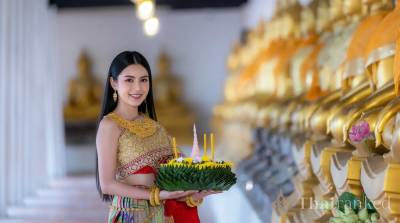
Discover the history and meaning of Thailand’s Loy Krathong Festival, the enchanting “Festival of Lights” where people float candlelit baskets to honor the water goddess, let go of negativity, and welcome new beginnings under the full moon.
What people ask about
"Buddhist Lent (Khao Phansa) in Thailand"
Here you will find answers to the most popular questions about Thailand.