Thailand’s Hidden Onsen Town: Ranong Hot Springs Guide
June 08, 2026 04:09 AM
Last edited: June 08, 2026

by Thairanked Guide
Thairanked helps you discover great places in Thailand!
Search Hotels & Flights




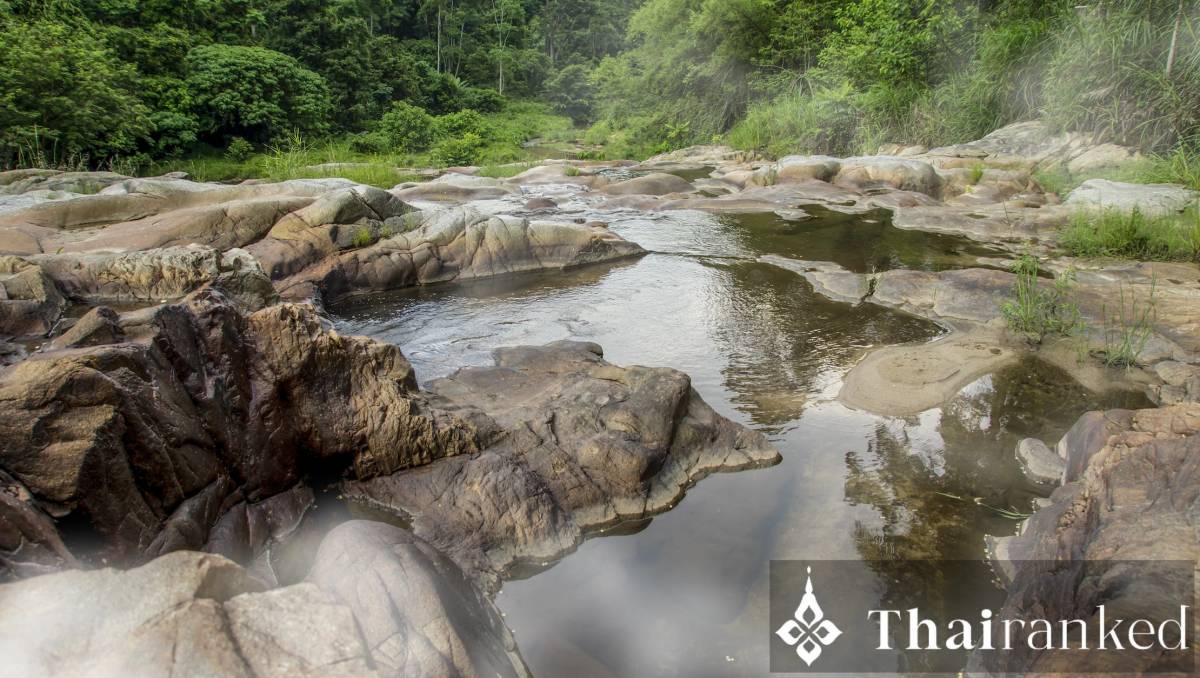
Ranong sits on Thailand’s Andaman side, away from mass tourism, and hosts a cluster of natural hot springs that attract wellness seekers. Local operators and small resorts offer public pools, private mineral baths, and combined spa treatments that focus on recovery, skin care, and rest. This guide explains the health benefits of mineral water, how to choose a bath, what to bring, etiquette, and a sample one-day wellness plan that fits most schedules.
Why choose Ranong for a hot spring escape
You find thermal springs across Thailand, but Ranong delivers a quiet, low-key experience. Travelers trade crowded resort spas for small public baths and private wooden tubs set into jungle or coconut groves. Small operators focus on the mineral water, not showy facilities, and you experience a local approach to wellness that other destinations lack.
Local springs supply water rich in minerals such as sulphur, silica, and trace salts. Those minerals affect skin texture, and they relax tight muscles after hiking or days at sea. People with chronic muscle tension report immediate relief, and bath-time offers a low-impact recovery method that complements massage and stretching.
Public baths vs private baths
Public baths offer social atmosphere and tour-friendly prices. You walk into shared pools, change at simple facilities, and spend time chatting with locals or other travelers. Operators maintain a schedule for refilling and cleaning, and you move between warm and cooler pools to control heat exposure.
Private baths suit couples, families, and anyone who prefers privacy. Typical private options include wooden barrels, stone tubs, or small private pools that the staff fill with fresh mineral water on demand. A private bath offers control over water temperature and time, and many providers pair the bath with massage, herbal compresses, or a foot soak with local herbs.
What the mineral water does for your body
Mineral water affects the body in three main ways. First, heat raises blood flow to muscles and joints, which eases stiffness. Second, sulphur compounds can support skin conditions, and people often report softer skin and reduced itch after regular soaks. Third, the warm water relaxes the nervous system, which lowers stress and improves sleep quality for many visitors.
Combine a soak with a short stretching session and a plain water rinse. You reduce overheating and help your muscles cool gradually after a warm bath. Local staff will usually explain the best soak time for your chosen pool.
Packing list for a Ranong onsen day
- Towel and change of clothes
- Flip-flops or sandals for wet paths
- Biodegradable soap and shampoo if you plan to shower
- Light cover up for after the bath, such as a sarong
- Reusable water bottle for hydration
- Small first aid kit and any prescription medication
Etiquette and safety
Local operators expect respectful behaviour. Bathe clean, remove heavy makeup, and rinse before entering a public pool. Avoid long continuous soaks. You check with staff when you arrive, and staff recommend a safe schedule if you have health concerns. People with cardiovascular conditions or those who are pregnant should consult a medical professional before using hot springs.
Respect the environment by leaving no waste, and avoid using chemical sunscreens or lotions before entering a pool, since those products affect water quality. Many operators provide basic changing areas, but you bring modest swimwear or a sarong for private tubs where staff expect some cover when staff perform any service.
Sample one-day Ranong hot spring wellness itinerary
Morning, you arrive at a small hot spring site. Start with a cool rinse, then soak for 10 to 15 minutes. You get out, drink water, and walk a short path to cool down. Midday, you choose a private bath paired with a 60-minute Thai massage or an herbal compress therapy session. Afternoon, you relax in a shaded lounge, enjoy coconut water, and take a short nap. Evening, you dine on nearby seafood or local dishes, and you return to your accommodation early to sleep well.
How to choose where to stay
You find options that pair accommodation with hot spring access, and you also find independent guesthouses that arrange day trips. Look for small resorts that advertise private tubs if you want privacy. Resorts near the coast combine marine activities with hot spring time, and inland properties place you closer to jungle walks and birdwatching. Choose the location that matches your plan for days on land and days at sea.
Best months to visit
Cooler months make hot spring time more pleasant. Many visitors prefer the drier, cooler season when temperatures drop, which can make a warm soak more satisfying. Rainy season visits still work, since thermal baths operate year-round, and you get a quiet experience with fewer visitors.
Combine a hot spring trip with other Ranong activities
- Coastal boat trips to nearby islands for snorkeling
- Hiking small jungle trails and waterfalls
- Local seafood markets and simple seaside restaurants
- Birdwatching and river estuary walks at dawn
Travelers who plan more travel days can link Ranong with other off-the-beaten-path destinations. Use the Amazing Thailand 2026: The Official 'Lisa Route' to 10 Hidden Destinations guide for ideas on nearby hidden spots to include. Solo travelers find Ranong easy to manage, and our piece on The Rise of Solo Travel in Thailand explains logistics and safety tips that work here. People exploring wellness as medical travel should read How Medical Tourism in Thailand Actually Works to understand clinic and spa boundaries.
Booking tips and what to expect on arrival
Small operators handle bookings by phone or local agent, and many accept walk-ins on weekdays. Weekends bring more visitors, and you reserve ahead if you want a private tub. Expect simple reception desks, staff who speak some English, and clear signage in Thai that staff translate for you. Bring cash, since remote spots sometimes do not accept cards.
Expect rustic comfort rather than luxury. A private wooden tub compensates with an intimate setting and fresh mineral water every time. Staff often prepare local herbal teas and light snacks after a session, and you take time to relax before traveling onward.
Aftercare and follow-up
After a hot spring session, you hydrate and avoid heavy exercise for the rest of the day. You keep skin moisturised with a fragrance-free lotion if your skin feels dry. If you notice irritation, you rinse with fresh water and contact a staff member or a medical provider if the irritation persists.
Final notes for wellness travellers
Ranong offers an accessible, quiet wellness experience that pairs freshwater and coastal days. You find public pools for social bath time, and private tubs for focused recovery. Combine a soak with massage and simple stretches to leave with looser muscles and calmer sleep. This destination rewards slow pacing, and you benefit most when you plan to stay at least two nights.
Key takeaways
- Ranong hosts accessible public pools and private mineral baths for recovery and skin care
- Private tubs provide temperature control and privacy for couples or families
- Bring a towel, water bottle, and biodegradable toiletries
- Visit during the drier, cooler season for the most comfortable soak experience
- Pair a soak with massage or herbal compress therapy for better results
Search Hotels & Flights
Related Insights

Discover how to travel around Thailand without a car, using trains, buses, ferries, flights, taxis, and local transport.

Thailand will reduce visa-free stays from 60 days to 30 days for travelers from 60 countries and territories starting September 15, 2026.
Explore the viral “Thank You Thailand” trend, its emotional roots, and how tourists share deep gratitude for Thai culture, food, and welcoming spirit.

Discover why Hua Hin is the ultimate coastal escape for Western families: sea breeze, easy Bangkok access, and activities for every age.
Explore the romantic legend behind Koh Samui’s Hin Ta Hin Yai rocks, rooted in Lanna tradition and Thai folklore. Discover their meaning and traveler tips.
What people ask about
"Thailand’s Hidden Onsen Town: Ranong Hot Springs Guide"
Here you will find answers to the most popular questions about Thailand.