Thailand Decides 2026: How the Election Will Reshape Tourism and Expat Life
February 03, 2026 07:01 AM
Last edited: February 03, 2026

by Thairanked Guide
Thairanked helps you discover great places in Thailand!
Search Hotels & Flights
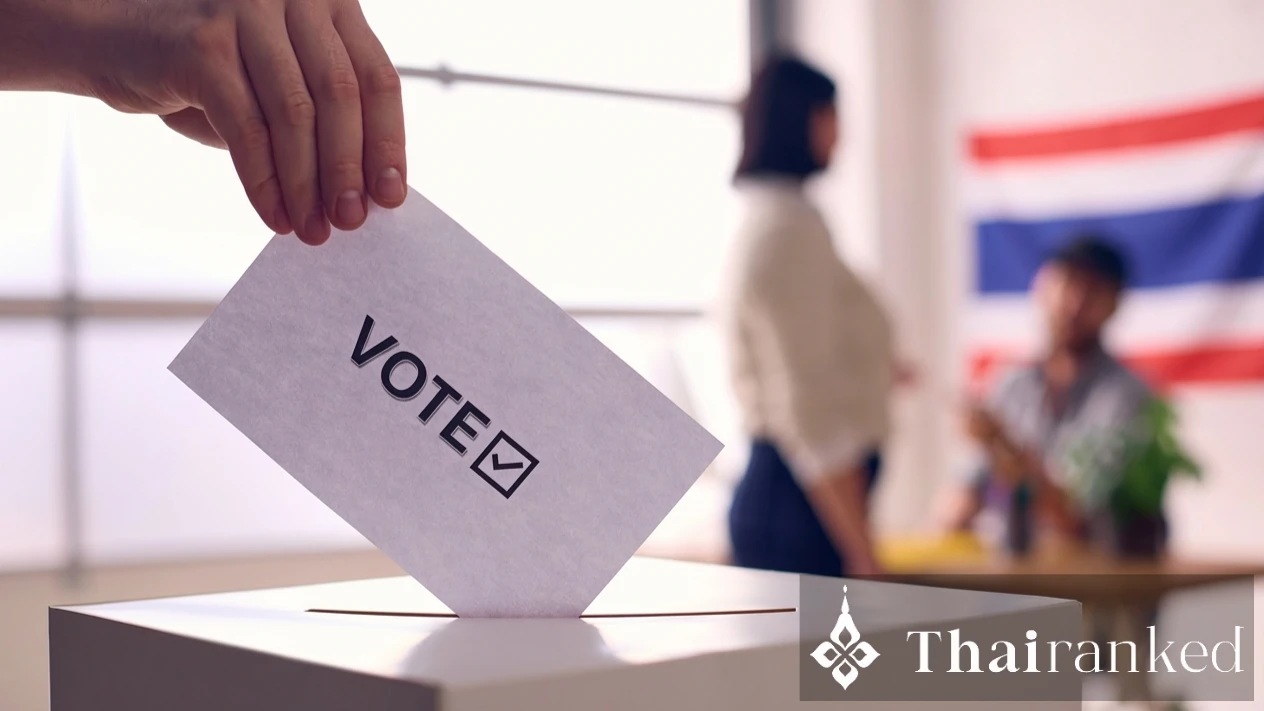
With less than a week until the general election on February 8, the spotlight has turned to the economic engine of the kingdom: tourism. As millions of voters prepare to head to the polls, Thailand’s major political parties have laid out distinct visions for how they plan to welcome, or regulate, the world.
For travelers, digital nomads, and foreign investors, the outcome of Sunday’s vote could determine everything from visa ease to the cost of a holiday. Here is a breakdown of what is at stake.
The Battleground: Numbers vs. Quality
While all parties agree that tourism is vital, their strategies diverge sharply. The current ruling coalition, led by the Bhumjaithai Party, is doubling down on a "growth-first" strategy. Their platform promises to cement Thailand as a "World Class Event Hub," aggressively courting international concerts, festivals (like Tomorrowland), and major sporting events to drive revenue.
"Pheu Thai’s strategy is clear: keep the doors open," says an industry analyst. "They are the architects of the recent 60-day visa exemption and the 5-year Destination Thailand Visa (DTV). If they win, expect policy continuity, more visa-free countries and more incentives for high spenders."
In contrast, the People's Party (PP), the progressive successor to Move Forward, is campaigning on "structural reform." Their tourism manifesto focuses on decentralization. Instead of funneling millions of tourists into Bangkok, Phuket, and Chiang Mai, they aim to redirect revenue to "secondary cities" through better infrastructure and incentives.
Visas and Border Control: A New Era?
One of the sharpest distinctions lies in immigration enforcement.
Under a People's Party administration, expats could see a crackdown on the "grey areas" of staying in Thailand. The party has vowed to tackle corruption and illegal monopolies, which could spell the end for "pay-to-stay" visa agents or nominees holding business licenses for foreigners. However, they are also expected to support transparent, merit-based visas for skilled talent and digital nomads to foster a creative economy.
Meanwhile, the Bhumjaithai Party, a key powerbroker with a stronghold in the northeast, has adopted a more protective tone. While unlikely to hinder mass tourism, their campaign rhetoric has emphasized "protecting Thai jobs" and national sovereignty. This could translate into stricter scrutiny at land borders or tighter regulations on foreign-owned businesses in tourism zones, ensuring locals benefit first.
The Democrat Party, attempting a revival, is pitching "Safety and Standards." Their platform prioritizes upgrading safety laws (following recent boat and bus accidents) and streamlining hotel licensing, aiming for "Value over Volume."
The Impact: What Travelers Can Expect
Regardless of who forms the next government, certain changes appear inevitable for 2026:
1. The "Tourism Tax" is Coming A 300 THB landing fee has been debated for years. With a new government needing fresh revenue to fund campaign promises, analysts predict this fee will likely be implemented in late 2026, disguised as an "insurance and development fund."
2. The "Golden Age" for Digital Nomads The Destination Thailand Visa (DTV), which allows a 5-year stay for remote workers, has been a massive economic success. No party has signaled a desire to cancel it. In fact, a People's Party win might even streamline the application process to attract global tech talent, provided the applicants are legitimate.
3. A Shift in "Vibe" If Pheu Thai retains power, expect a glitzy, entertainment-focused Thailand, more concerts, Formula E races, and luxury shopping malls. If the People's Party upsets the odds, the focus may shift to eco-tourism, cultural preservation, and exploring the unseen provinces of Isan and the North.
The Verdict
For the short-term tourist, the election is unlikely to cause disruption. "Thailand is open for business, and no government will risk damaging the golden goose," notes a veteran tour operator in Bangkok.
However, for the long-term expat or investor, Sunday’s vote is a choice between the status quo of easy (but sometimes grey) flexibility offered by the current establishment, or a structured, transparent, but stricter rule-based system proposed by the challengers.
As the campaign rallies reach their crescendo this week, one thing is certain: Thailand is ready to turn the page, and the world is watching.
by Thairanked Guide
Thairanked helps you discover great places in Thailand!
Search Hotels & Flights
Related Insights
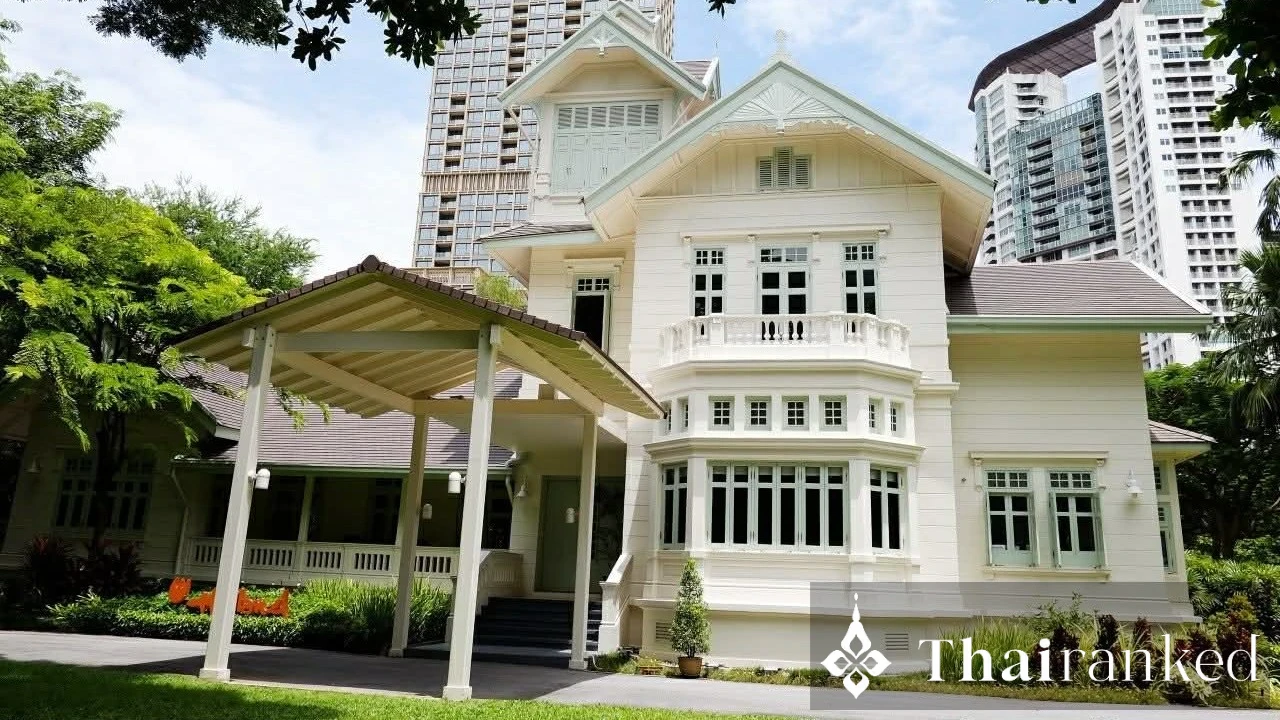
The Netherlands Embassy in Thailand will relocate to Dusit Central Park this August, selling its historic 100-year-old Wireless Road estate.
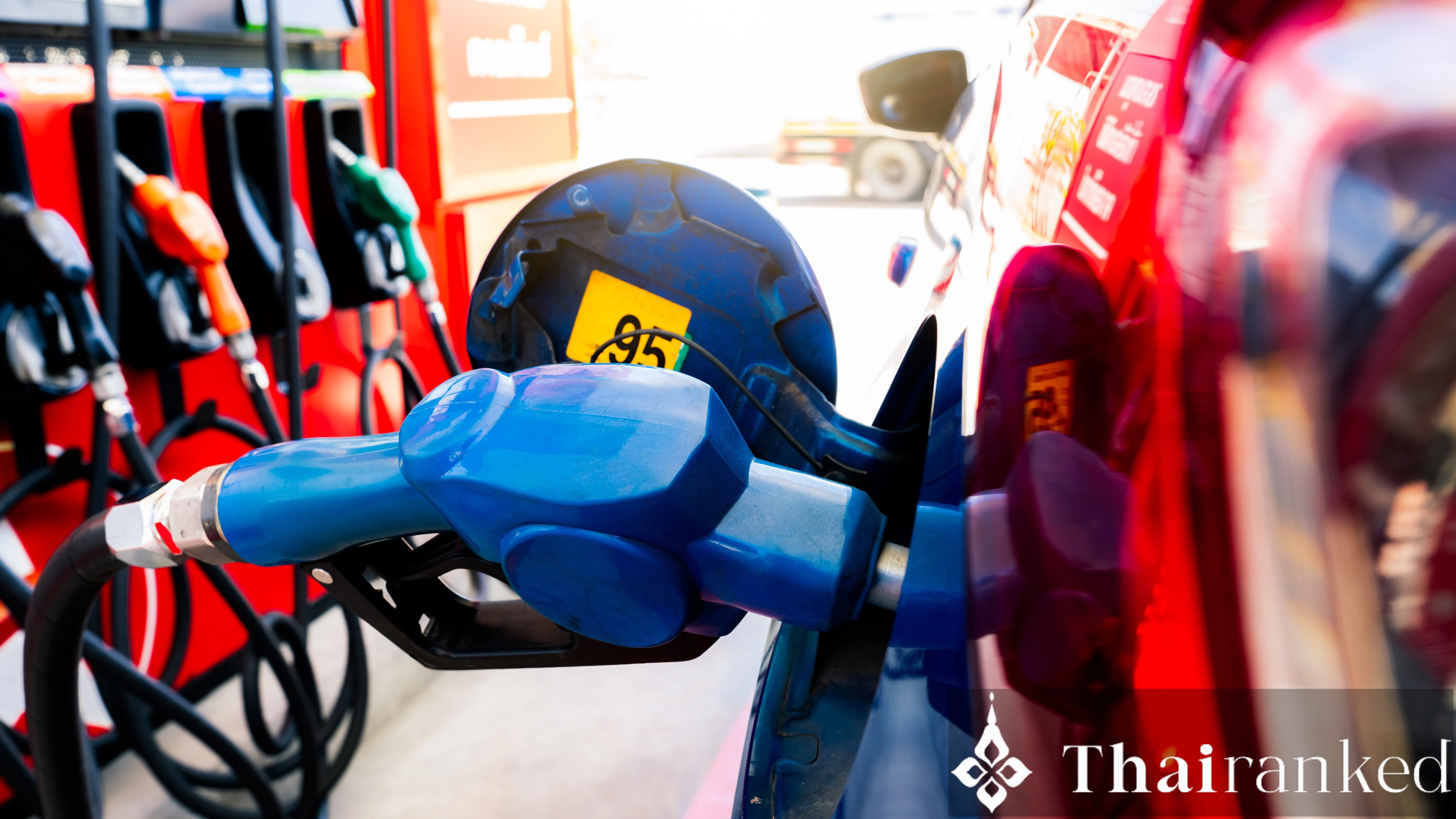
Fuel prices remain stable in Thailand today, with Gasohol 95 priced at ฿33.05 across major brands and Diesel B7 at ฿31.14.
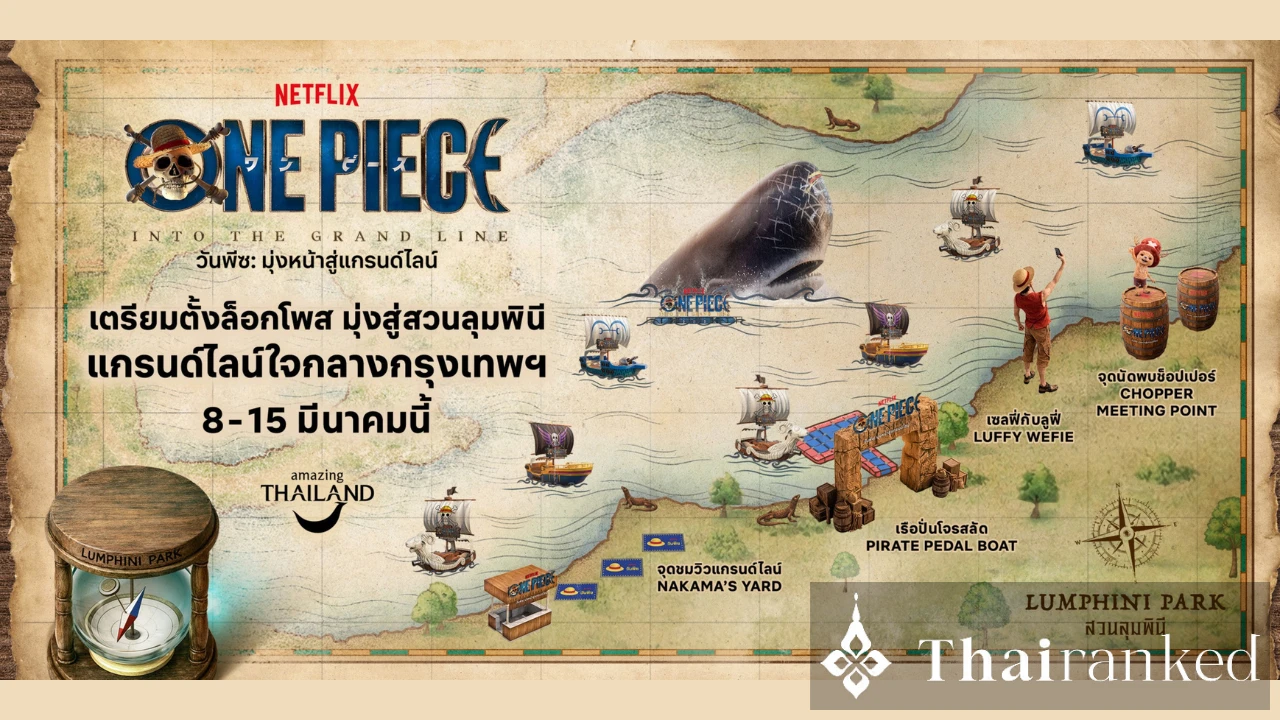
Join the free GRAND LINE IN THAILAND One Piece event at Lumphini Park, March 8–15, 2026. Celebrate Netflix’s new series in the heart of Bangkok, boat rides, photo ops & fun!
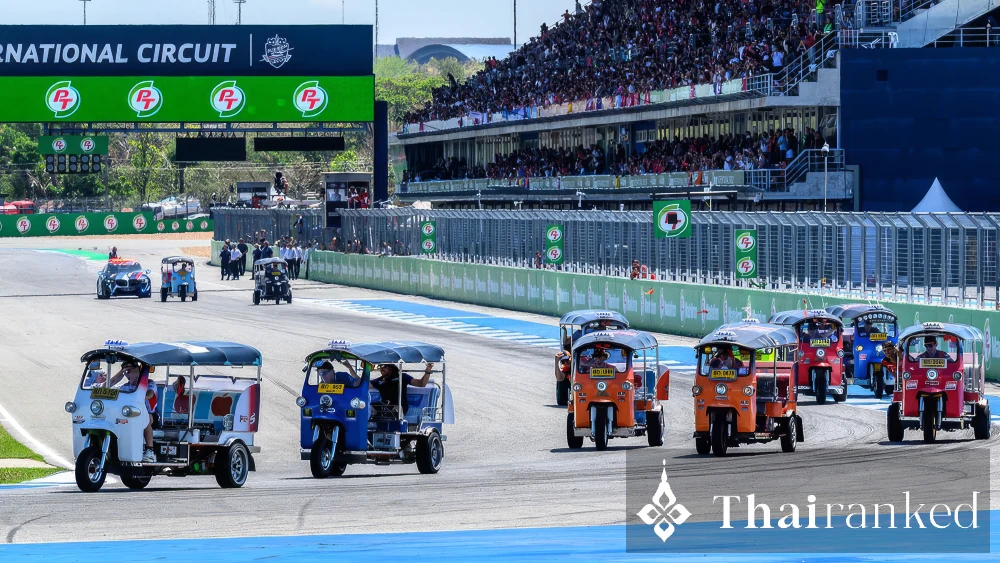
At the 2026 PT Grand Prix Thailand, MotoGP icons trade in two wheels for tuk-tuks in a playful Thai-themed race at Buriram’s Chang Circuit.
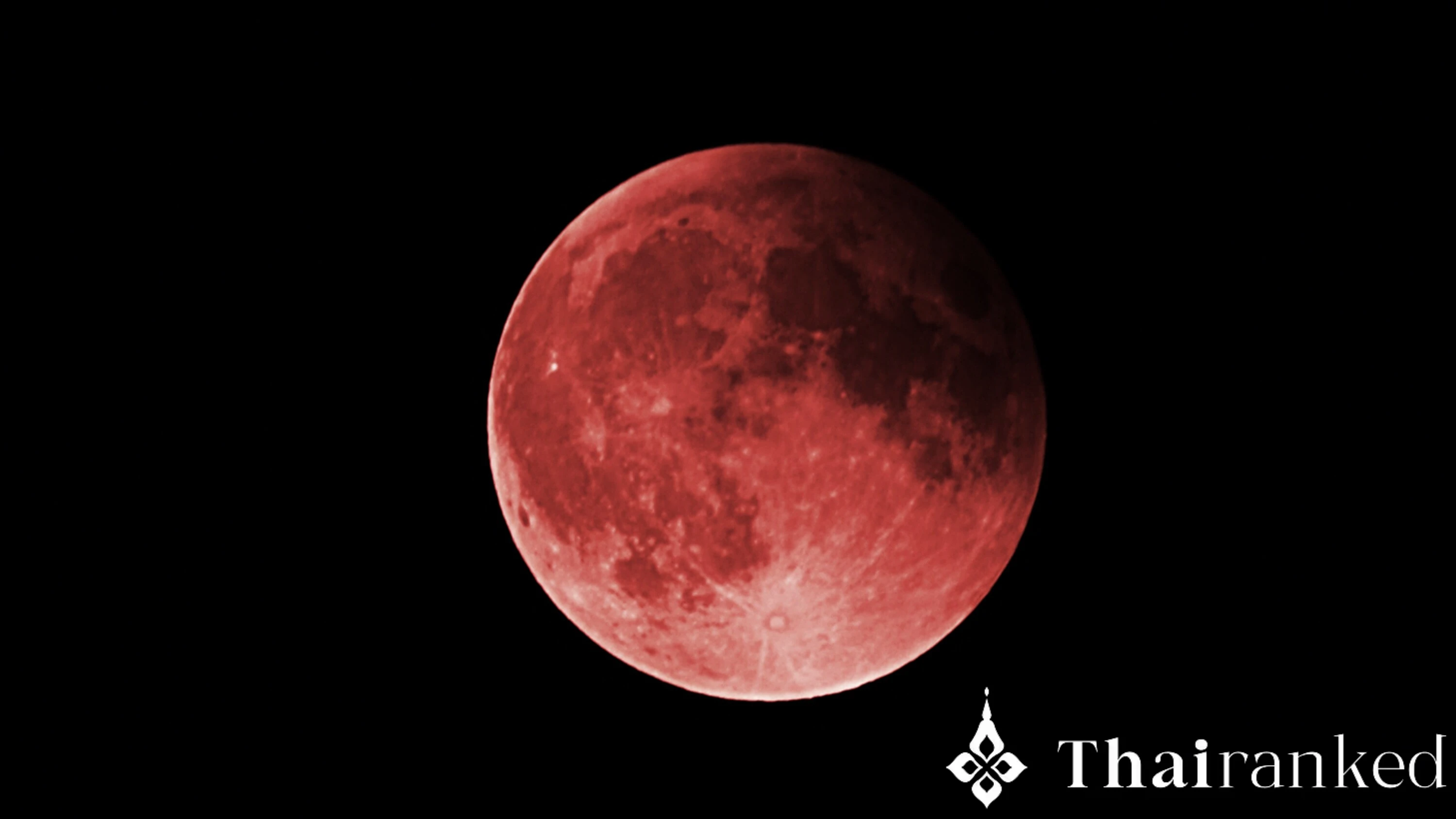
On Makha Bucha Day 2026, Thailand will witness a stunning total lunar eclipse, learn how, where, and when to watch this rare brick-red moon event.
What people ask about
"Thailand Decides 2026: How the Election Will Reshape Tourism and Expat Life"
Here you will find answer to the most popular questions.