LIVE: Thai Election Results 2026 — Real-Time Updates & Highlights (last update 10 February)
February 08, 2026 01:20 PM
Last edited: March 19, 2026

by Thairanked Guide
Thairanked helps you discover great places in Thailand!
Search Hotels & Flights
Related Insights
LIVE: Thai Election Results 2026 – Updates & Key Moments
Welcome to ThaiRanked’s live coverage of the 2026 general election in Thailand. Voters have cast ballots for all 500 House of Representatives seats. Major parties,including Prime Minister Anutin Charnvirakul's Bhumjaithai Party, the reformist People's Party, and the influential Pheu Thai,fight for control in a suspenseful night full of ground-level reports. We update this blog as results and reactions roll in from party headquarters in Bangkok.
New to Thai politics? Explore key political terms and read our guide to top election podcasts and shows. If elections interrupt travel plans, check our survival guide for Thailand's dry weekend rules.
Morning Update 10 February 2026 - 10AM
Anutin Charnvirakul says he will delay coalition talks until the Election Commission certifies the official results. He puts procedure first.
Anutin will not form alliances now and instead waits for the EC to validate tallies. Although his party leads in the unofficial results, he insists the count must finish and the EC must certify before negotiating with other parties.
Morning Update 9 February 2026 - 9AM
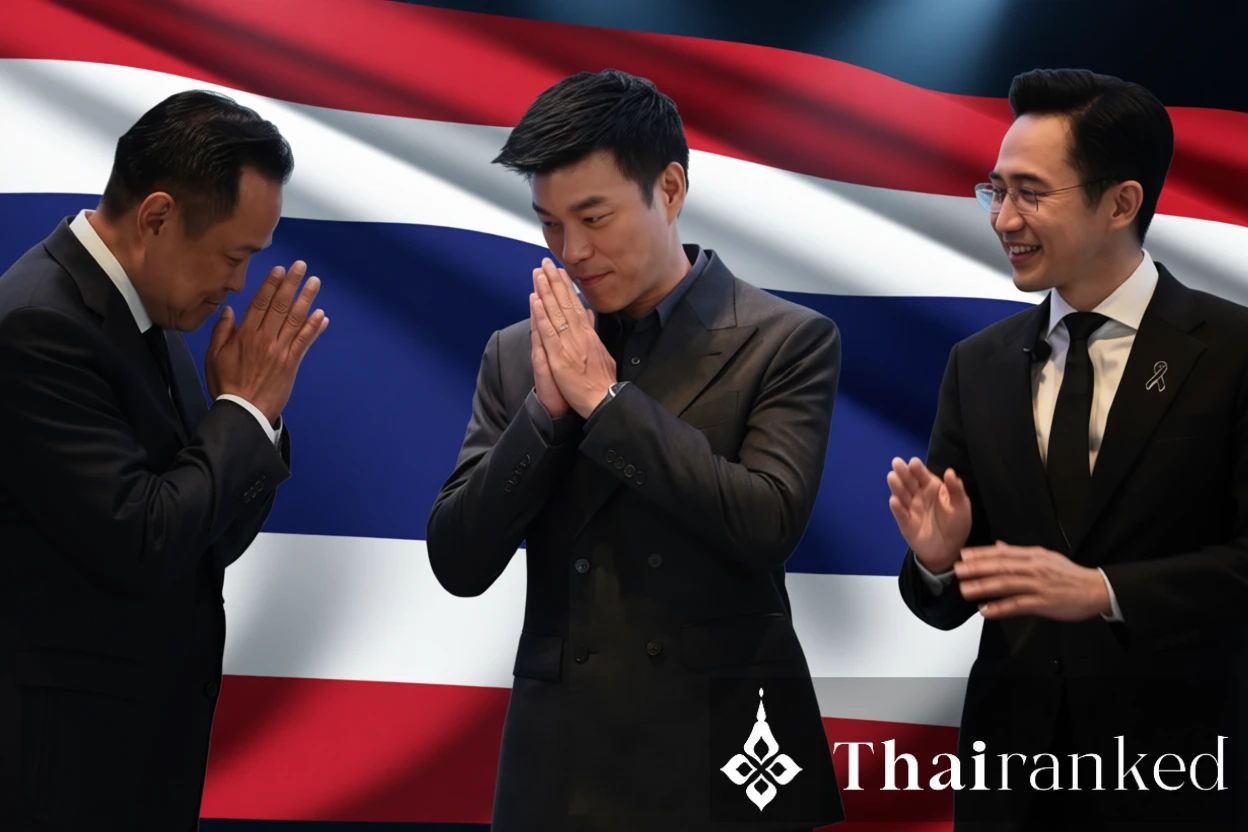
Prime Minister Anutin Charnvirakul claims victory, with preliminary vote counts placing his conservatives ahead of rivals.
Anutin credits all Thais for the outcome. Pre-election polls had the reformist People's Party leading. With 90 percent of votes counted, Bhumjaithai looks set for 194 seats in the 500-member parliament, People's Party has 116.
People's Party leader Natthaphong Ruengpanyawut says he is ready to serve in opposition if Anutin secures a coalition. For more on election impacts, see election changes for travel and expats and check the public holidays of 2026. For national celebration context, explore Thailand's three New Year traditions.
11:55 p.m. – Constitution Referendum: 60% Want Change
Thais voted in a referendum on replacing the 2017 constitution. With almost 90 percent of stations reporting, 60 percent back change, 32 percent oppose, and the rest have no opinion.
This referendum starts the process, but does not guarantee a new constitution. For constitutional context, see the story behind Constitution Day, and cultural festival reflections.
11:45 p.m. – With 89% Reporting: Bhumjaithai Extends Constituency Lead
With 89 percent reporting, Bhumjaithai leads in 175 of 400 constituencies. Some numbers fluctuate, but the ruling party holds its ground. People's Party takes second with 85, Pheu Thai third with 60. On party-list seats: People's Party leads (27.6%), then Bhumjaithai (17.3%), Pheu Thai (15.3%).
Curious about Thailand's system? See how party list and constituency voting work. For impacts on travel and expats, read our detailed guide and browse the top provinces for your next trip.
9:00 p.m. – Bangkok Turns Orange; Referendum Support Surges; Bhumjaithai Gains
After 31 percent of ballots, People's Party leads in Bangkok. The constitution referendum stands at 59 percent “yes”. People's Party maintains the party-list lead, while Bhumjaithai appears set to win at least 200 MP seats and steer government formation.
8:40 p.m. – People's Party Holds Lead With 25% Of Stations Reporting
With a quarter of stations reporting, People's Party stays on top in the party-list vote, holding 21 percent. Bhumjaithai and Pheu Thai follow. Support grows in Bangkok and upcountry. Officials urge patience. Interested in terminology and culture? Check our politics glossary and learn how national celebrations shape politics. Get local with these 10 Isan phrases.
8:00 p.m. – Counting at 7.6%: Close Party-List Race
At nearly 7,600 polling stations counted, People's Party holds 17 percent, Bhumjaithai follows at 15 percent, and Pheu Thai at 13 percent for the party list category. These seats are crucial for forming a majority. In single-seat constituencies, Bhumjaithai now leads in 171, with Kla Tham just ahead of Pheu Thai (66 to 65). Numbers will shift as more data comes in. See how the numbers add up.
7:15 p.m. – People's Party HQ: Spirits High Despite Rain
Heavy rain in Bangkok could not stop about 50 People's Party supporters and 150 media members from gathering at the party’s headquarters. Supporters focus on the results board. Party leader Natthaphong Ruengpanyawut meets with executives behind closed doors. Early returns favor the People's Party with key party-list seats. Get a deeper look at politics with our post on "Kreng Jai" in Thai culture.
7:00 p.m. – Media Crowds at Party HQs; Leaders Awaited
Bhumjaithai HQ sees over 100 journalists as party officials come and go. Where is Anutin? Senior members hold off on his appearance, keeping the suspense. Over at Pheu Thai HQ, 50 media representatives wait for Yodchanan Wongsawat (Thaksin's nephew) to arrive. Speculation on possible alliances runs online.
Want to know how party HQs become election media centers? See our behind-the-scenes feature. Planning to celebrate after the results? Read the best countdown spots or check Thai holidays for your next break.
7:00 p.m. – Early Lead: Bhumjaithai Ahead in Constituencies, People's Party On Top In Party-List
Under 1 percent of votes counted, Bhumjaithai leads in constituency races and People's Party takes early gains in party-list voting. Officials warn that these numbers change as ballots arrive from more districts. Find requirements for voting in our Thailand election eligibility guide.
6:20 p.m. – First Votes Tallied
Initial results arrive from 60 polling stations, under 0.1 percent of the total. Early returns show Bhumjaithai in a strong position, but the real result will surface later. For national gathering tradition, see how Thais watch big national events. Find last-minute travel with our Bangkok getaway recommendations.
6:00 p.m. – Polls Closed, Counting Starts
Ballots are in. The Election Commission will take up to 60 days to certify official results, but unofficial counts begin tonight. Parliament must convene within 15 days of EC validation and select a new prime minister.
Party negotiators start coalition talk in Bangkok hotels, aiming for the 251-seat majority. The post-election deal-making has begun. For how this affects expats and travel, see our post-election travel guide. For government scheduling, check the 2026 holiday calendar. Coming to Bangkok for the results? Book Bangkok hotels here.
5:40 p.m. – People's Party Bids for Bangkok Sweep
NIDA polling points to a People's Party sweep in all 33 Bangkok seats, mirroring the urban dominance of Move Forward in 2023 (32 seats). Bangkok’s results often signal national sentiment. See Khao San Road's evolution to know more about city trends. Experience the city with top Bangkok activities and explore hotel recommendations near Suvarnabhumi Airport.
5:15 p.m. – Referendum: Calls for a New Constitution
Voters face a referendum on replacing the 2017 constitution. NIDA polling shows 55 percent back a rewrite, 32 percent oppose, 14 percent are undecided. If over half say yes, the debate for change will heat up in parliament. For context, check the origins of Constitution Day.
5:00 p.m. – Polls Close
The final voters cast their ballots before polls shut at 5:00 p.m. NIDA predicts Bhumjaithai will hold 140–150 seats, People's Party 125–135, Pheu Thai 110–120. Surprise outcomes or shifting alliances could still reshape parliament overnight.
- Polling: NIDA and Election Commission
- Main parties: Bhumjaithai (incumbent), People's Party (progressive), Pheu Thai
- Key issues: Economy, foreign policy, constitution, coalition seat math (coalition process explained)
- Election procedure guide: voter eligibility and rules
Thailand’s Next Steps
The election outcome sets the stage as Thailand faces economic uncertainty and debate over democracy. Coalition talks, constitutional changes, and legitimacy concerns dominate discussion. First-timers, expats, and seasoned observers follow what could become a turning point in Thai history.
Check back for regional updates and real numbers on coalition building. For ongoing analysis, learn about practical impacts, check next year's holiday schedule, or see how voting shapes outcomes. For context on mass movements, read how Thais mark historic moments and get local with must-know Isan phrases.
Key Takeaways
- People's Party leads the party-list vote at 8:40 p.m., Bhumjaithai tops constituency races
- People's Party could sweep Bangkok
- Early returns signal trends, but final results will take days
- Referendum shows public’s appetite for constitutional change (learn more)
- Coalition talks underway as results unfold overnight
- Find more on party platforms and voting systems in our constitution day analysis, voting system guide, and review travel and expat implications. For eligibility rules, read Thailand voting eligibility guide. For a travel break, see the top festivals of 2026.
by Thairanked Guide
Thairanked helps you discover great places in Thailand!
Search Hotels & Flights
Related Insights
Why are exit polls forbidden in Thailand? Discover key rules on Thai election day 2026, and what to expect for results, reporting, and media coverage.
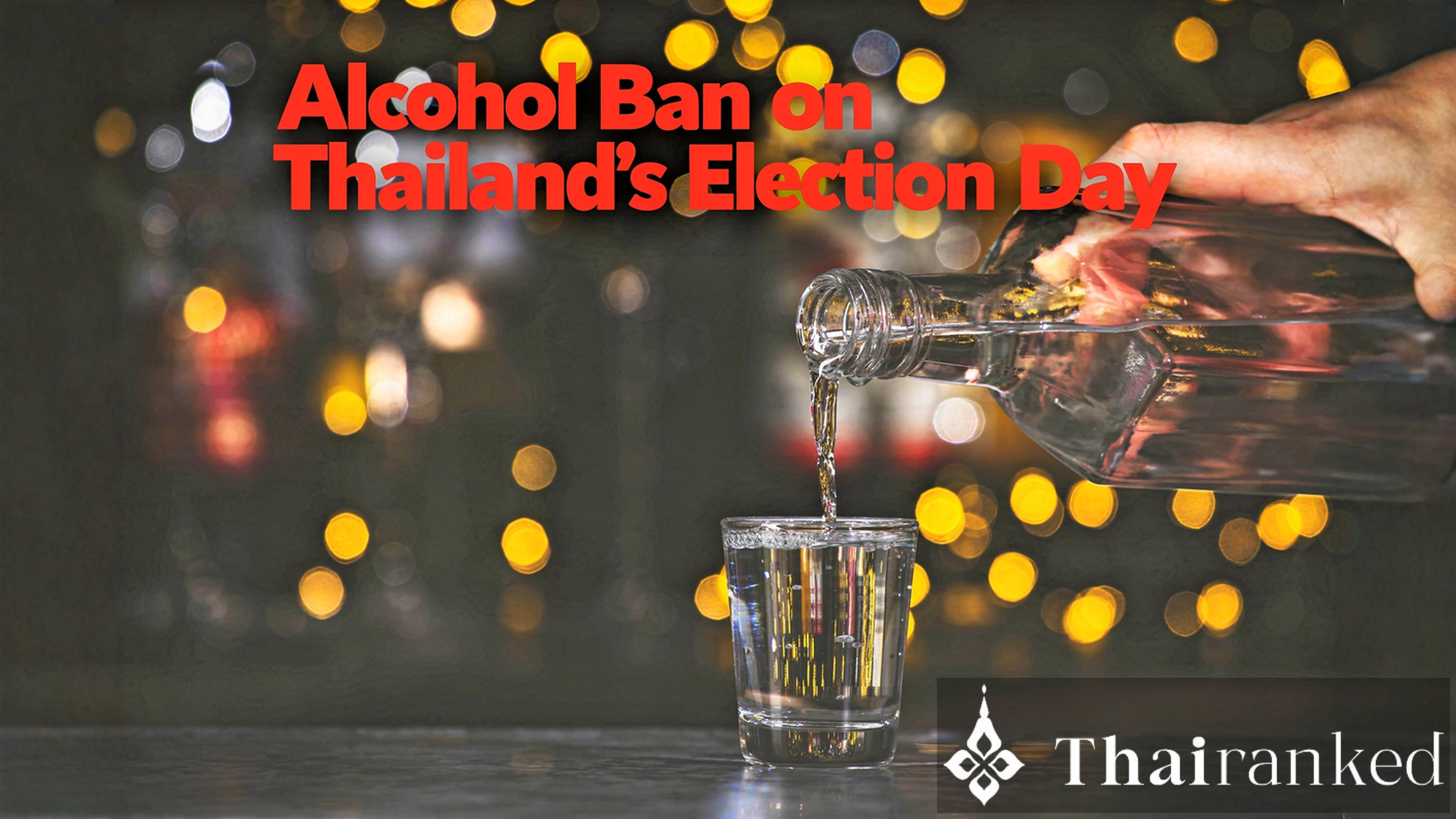
Learn when Thailand’s 2026 election alcohol ban starts, when it ends, and what you can (and can’t) do. Stay informed and avoid penalties on Election Day.
A clear guide to voter eligibility, how to register, and early/overseas voting rules for Thailand’s 2026 election. Plus, what foreigners should know on election day.
The Netherlands Embassy in Thailand will relocate to Dusit Central Park this August, selling its historic 100-year-old Wireless Road estate.
Latest fuel prices reveal stability, with Gasohol 95 at ฿41.05 and Diesel B7 at ฿38.94. Explore today's detailed overview.