Spirit Houses in Thailand: Unveiling the San Phra Phum Mystery
January 31, 2026 07:00 AM
Last edited: January 28, 2026
by Nam Thairanked
I love traveling and eating Thai food.
Search Hotels & Flights
Related Insights
Spirit Houses in Thailand: Unveiling the Mystery of San Phra Phum
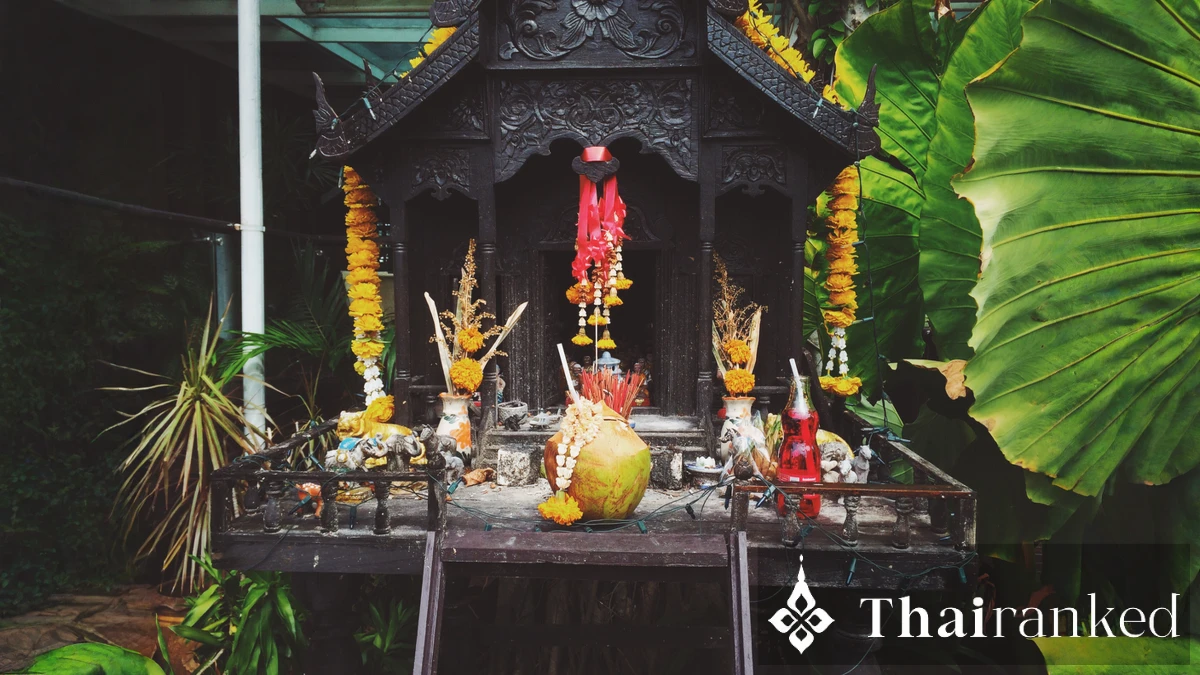
If you’ve spent even a day in Thailand, you’ve probably noticed the small shrines perched outside businesses, hotels, and homes. Some are elaborate, brightly painted, and adorned with garlands and offerings, while others are simple raised houses. These are Thailand’s renowned spirit houses, or "San Phra Phum" (ศาลพระภูมิ), mystical yet everyday icons of Thai life. But why are they everywhere? And what’s the story behind them?
What Is a Spirit House?
A spirit house is a miniature house or shrine, often styled like a tiny Thai temple or home, mounted on a pillar or platform in a special spot outdoors. Its purpose isn’t just decorative; it’s a profound tradition rooted in acknowledging the spirits that inhabit the natural world.
Contrary to popular belief, spirit houses aren’t actually Buddhist. Their origins lie in a blend of ancient Brahmanism, Hindu customs, and Southeast Asian animism. Over millennia, these diverse beliefs fused into the unique practice you see today in Thailand.
The Landlord of the Unseen World: A Mix of Brahmanism and Local Spirits
The word “San Phra Phum” translates to "shrine of the land spirit." In Thai culture, it’s believed that every patch of earth belongs not just to humans, but also to spirits, specifically Phi Phum (land spirits or guardians). These spirits are sometimes thought of as the “landlords of the unseen world.” When people build on land, they are essentially intruding on the spirits’ territory.
To keep the peace and ensure good fortune, Thais construct a spirit house as a respectful invitation for the local spirits to live there instead, appeasing them with offerings and ceremony so they don’t cause trouble for the human occupants. The idea is simple: If the spirits have a comfortable home and tasty treats, they’ll be happy and leave the household or business undisturbed.
Spirit Houses: Not Buddhist, but Intricately Thai
While monks sometimes bless spirit houses, the tradition itself is much older than Buddhism in Thailand. San Phra Phum draws from Brahmanism (the priestly strand of Hinduism), which was deeply influential in old Siam, and animist practices that focus on the spirit world. Elements from Hindu mythology, such as statues of Indra (Phra In), Brahma (Phra Phrom), and even Ganesha, often adorn these shrines.
This cultural mix explains why you’ll also see spirit houses outside Thai Buddhist temples and Christian churches, where the Buddhist, Brahmanic, and local spirit beliefs live side by side.
Types of Spirit Houses
- San Phra Phum – The classic “guardian spirit house,” usually featuring a single pillar and a figure of the Phra Phum lord.
- San Chao Thi – Dedicated to other minor spirits of the place, including the spirits of trees, water, or previous landowners.
- Chinese-style Altars – In towns with a Thai-Chinese community, spirit houses may take on a distinctively Chinese look, reflecting ancestor and Taoist spirit worship.
How Are Spirit Houses Built and Maintained?
The selection and placement of a spirit house is not taken lightly. Traditionally, a Brahmin priest or spiritual elder is consulted to determine the most auspicious date, time, and precise direction for the shrine. The spirit house is never placed in the shadow of the building it protects, and it should face east or north to maximize auspiciousness.
Once installed, a consecration ceremony is performed, involving chants, offerings, incense, and sometimes animal sacrifices (nowadays often replaced by boiled eggs, fruit, rice, water, or sweet drinks). After that, regular upkeep and offerings are key. Locals present food, drinks, flowers, incense, and sometimes miniature figurines (like toy dancers or elephants), especially on auspicious days or special requests for luck, romance, business success, or safety.
Why Are Spirit Houses Everywhere in Thailand?
The ubiquity of spirit houses is a testament to how deeply the belief in guardian spirits is woven into Thai society. You’ll spot them everywhere:
- Homes (even condominiums often have their own building spirit house)
- Businesses from 7-Eleven to five-star hotels
- Schools and hospitals
- Major intersections or dangerous highways, to pacify accident-prone sites
- Public parks, police stations, and even shopping malls
The act isn’t just about avoiding bad luck, but also about attracting blessings, prosperity, and harmony. In a society where past, present, and spirit worlds blend, it’s always wise to keep the local spirits happy!
Dos and Don’ts for Visitors: Showing Respect
- Never touch, climb, or lean on a spirit house (no selfies perched beside them!)
- Don’t point your feet toward them, especially when sitting nearby
- If you want to photograph, do so discreetly and without interrupting any offerings or rituals
- Admire the adornments, but never remove or rearrange them
If you’re curious about Thailand’s vibrant rituals, our guide to Thai temple rituals is a great next read.
Spirit Houses and Modern Thailand
With urbanization, high-rise condos, and young Thais increasingly looking to science, are spirit houses in decline? Far from it! Developers still dedicate shrines at new malls and condos, and even global corporations get in on the act; just visit any Bangkok business district. Rather, Thais have found new ways to express age-old respect, blending old beliefs with modern life.
If you want to delve further into the character of Thai urban spaces, check out our history of Khao San Road or find new places to explore with our guide to cheap Thailand travel. Want to see Bangkok’s spirit houses up close? Discover activities and city highlights with this popular Bangkok activity pass.
Understanding a Unique Spiritual Landscape
Ultimately, spirit houses are a living example of Thailand’s “triple religion” culture, where Buddhist, Hindu-Brahmanic, and folk spiritual worlds harmonize. For Thais, the relationship with spirits is practical and respectful, ensuring peace between seen and unseen, present and past, human and supernatural. For travelers and residents, learning about spirit houses is a window into Thailand’s soul, a gentle reminder of the history and reverence that underlie the warm smiles on every corner.
Key takeaways
- Spirit houses represent a blend of Brahmanism-Hinduism and Thai animist beliefs, not Buddhism.
- They are built to appease local and land spirits (“landlord of the unseen world”).
- Placement and offerings at San Phra Phum are highly ritualized for auspicious outcomes.
- Respect for spirit houses is important; observe, don’t touch or interfere.
- They remain profoundly influential in both traditional and modern Thai society.
by Nam Thairanked
I love traveling and eating Thai food.
Search Hotels & Flights
Related Insights
Discover the unique national anthem tradition in Thailand, why everyone freezes in public at 8AM and 6PM, and tips on what to do if you’re caught by surprise.
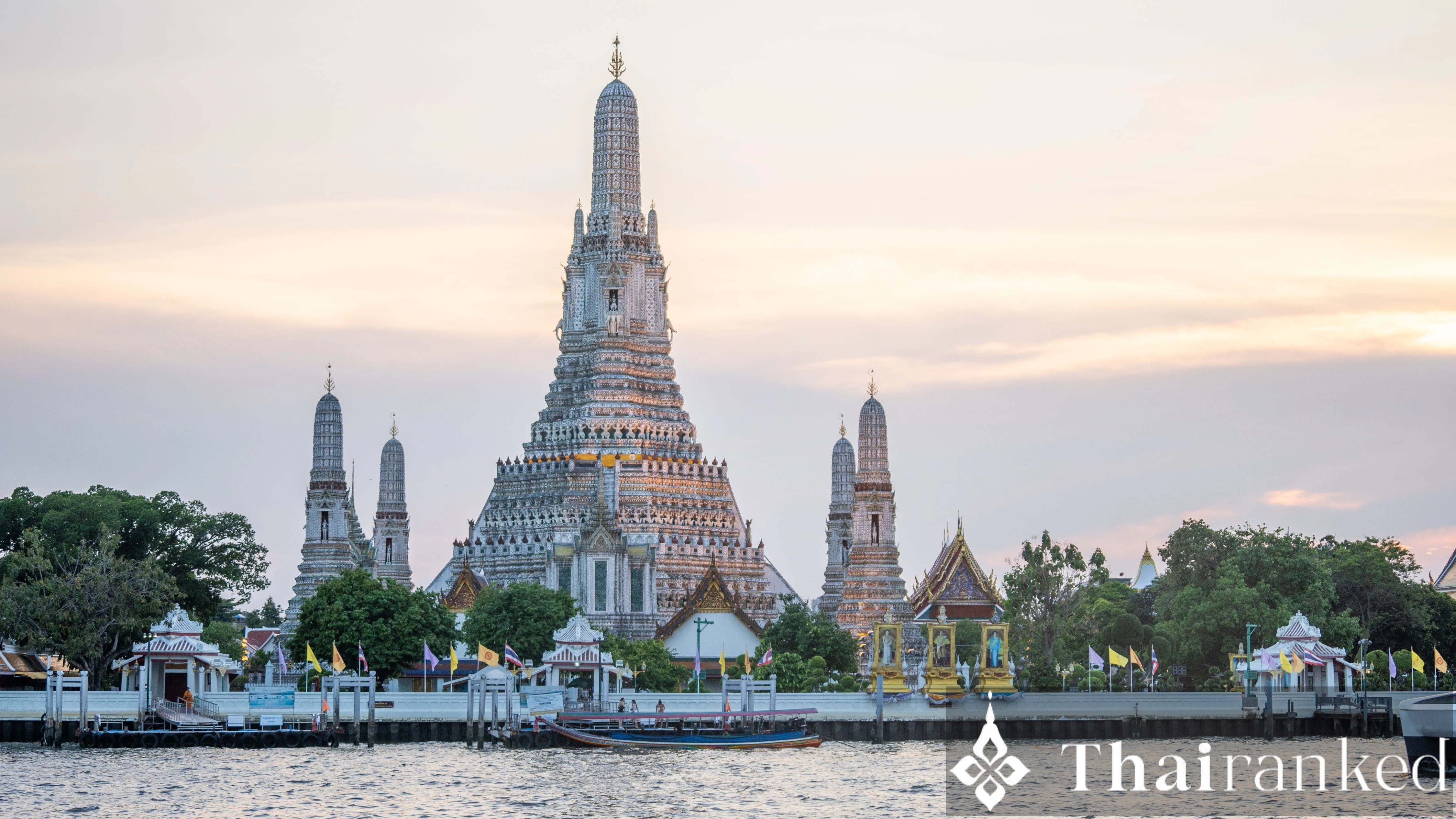
Discover how Wat Arun’s iconic tiles were made from broken Chinese porcelain, Thailand’s first recycled masterpiece. Explore the legend and eco-history behind the temple.

A foreigner's inside guide to the most luxurious VIP cinemas in Bangkok. Are $30 tickets, reclining beds, and unlimited snacks worth the price? Full ranking and review.
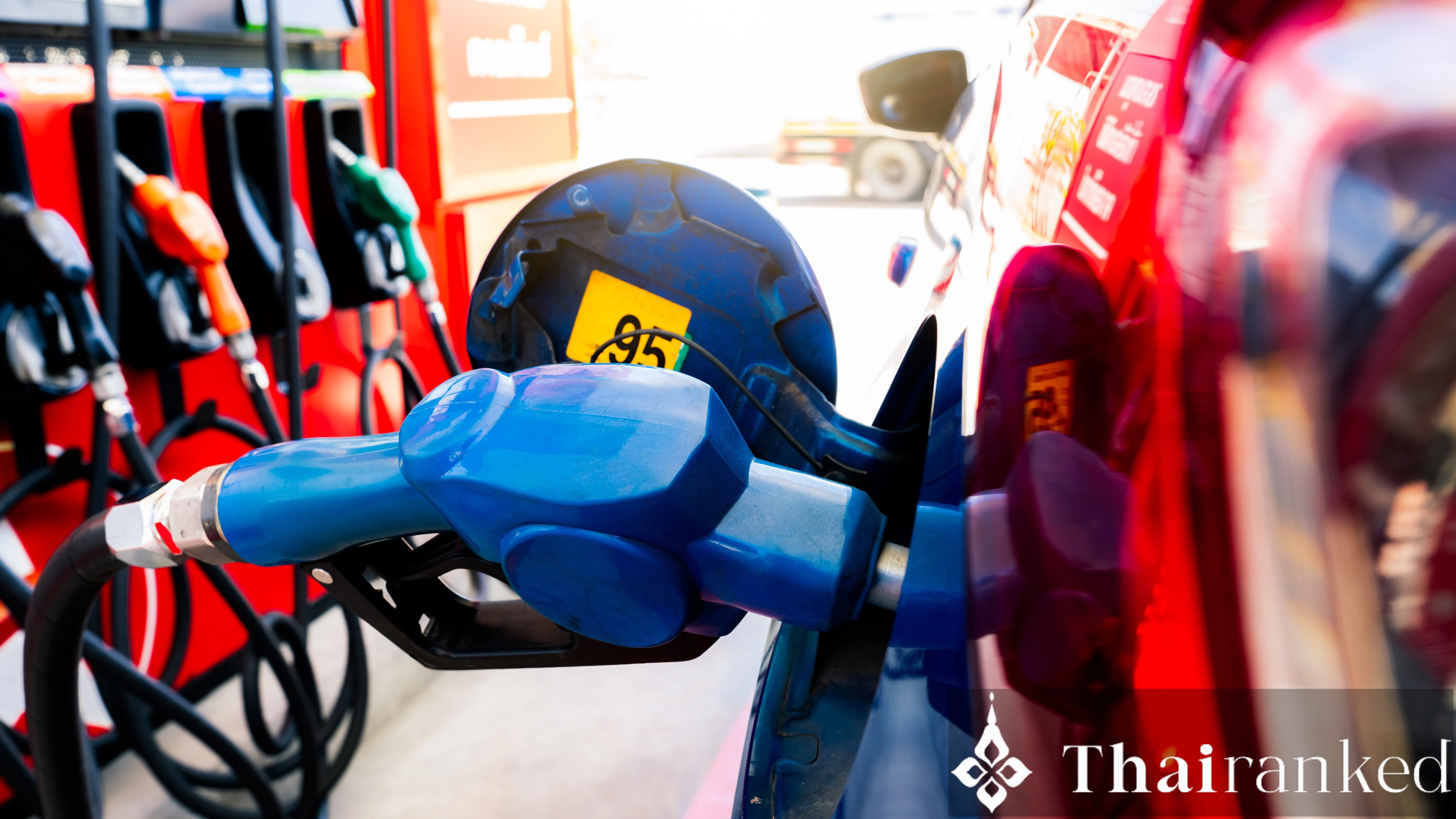
Current fuel prices in Thailand show stable trends for Gasohol and Diesel. Key brands include PTT, Bangchak, and Shell. Find detailed comparisons.

Avoid Songkran travel chaos! Tips for safely using BTS, MRT, and tuk-tuks in Bangkok. Learn water gun rules, wet zone warnings, and escape strategies.
What people ask about
"Spirit Houses in Thailand: Unveiling the San Phra Phum Mystery"
Here you will find answer to the most popular questions.