The Reclining Buddha: Wat Pho’s Golden Legacy of King Rama III
March 30, 2026 10:37 AM
Last edited: March 30, 2026

by Thairanked Guide
Thairanked helps you discover great places in Thailand!
Search Hotels & Flights
Related Insights

Wat Pho and the Legacy of the Reclining Buddha
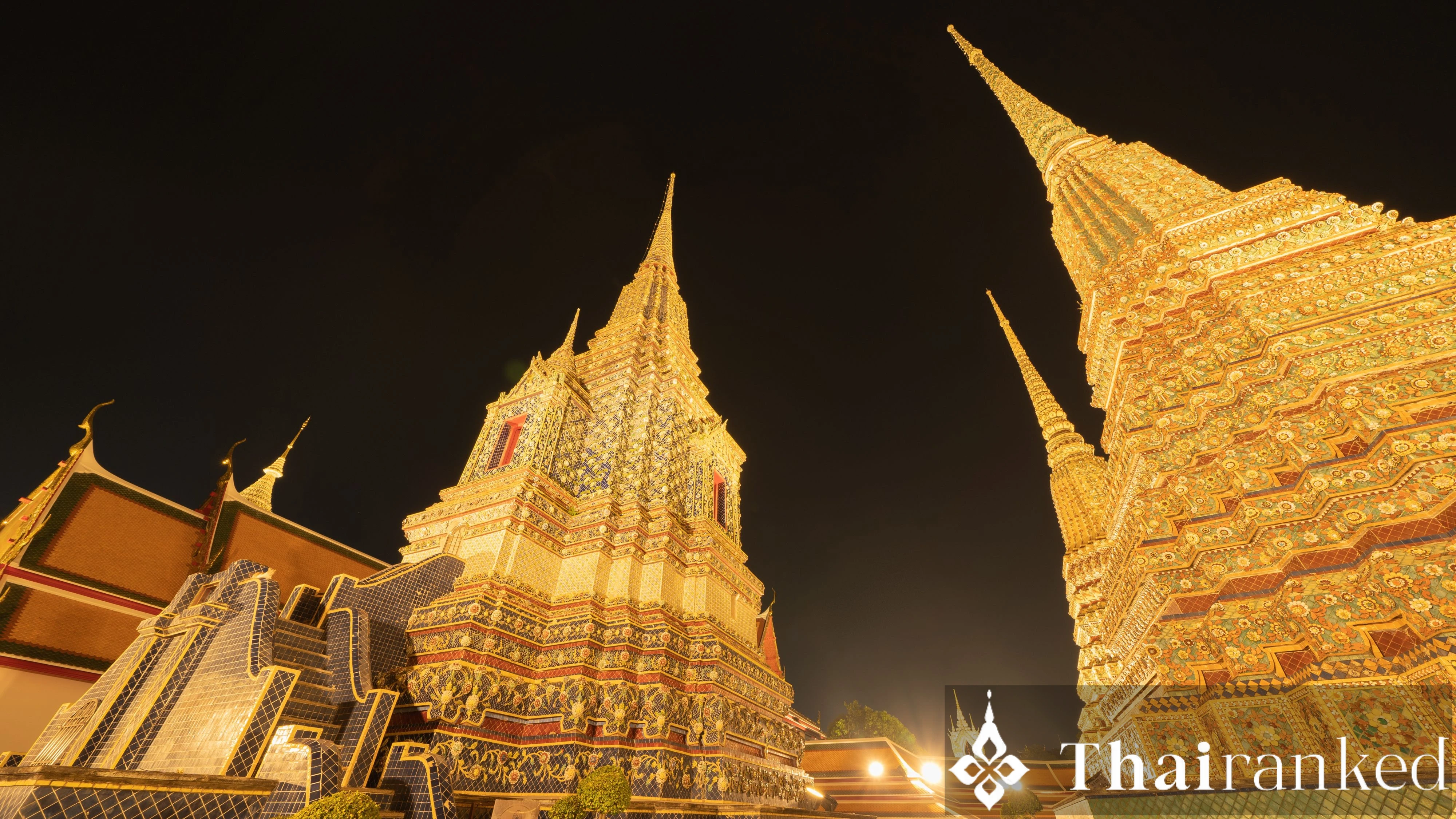
Bangkok’s historic heart beats strongest along the banks of the Chao Phraya River, where Wat Pho stands as one of Thailand’s oldest and most venerated temples. Travelers know it for the immense Reclining Buddha, a golden masterpiece that shimmers within its sacred hall. The statue, along with Wat Pho’s role as the cradle of Thai education, traces back to the vision and ambition of King Rama III.
A New Golden Age: King Rama III’s Vision
In the early 19th century, King Nangklao (Rama III) ruled Siam through a period of dynamic trade, expanding urban life, and Buddhist revival. Wat Pho, already an important monastery from the Ayutthaya period, needed renewal. King Rama III put his stamp on the nation’s spirit through a mammoth restoration of this ancient site. He did more than repair; he transformed.
The king envisioned Wat Pho as a beacon for Buddhist teaching and a hub for national wisdom, not just a place of worship. This ambition shaped every corner of the restoration, most dramatically with the construction of the Reclining Buddha. With the blessing of the royal court, craftsmen began works that would astonish all who gazed upon them, then and now.
The Marvel of the Reclining Buddha
The Reclining Buddha at Wat Pho does more than fill its hall; it dominates. Stretching 46 meters in length and 15 meters in height, the statue captures the Buddha at the moment of entering nirvana. Craftsmen built the core from bricks, covered it with layers of gilded plaster, and finished it with gold leaf. The feet alone measure over five meters high, every toe a study in detail.
Marvel at the feet, mother-of-pearl inlays depict the 108 auspicious symbols of the Buddha, from flowers to animals to mythical beings. The facial expression radiates serenity, capturing the promise of spiritual release. Shining gold glints under the torchlit hall, transforming the space into something both grand and intimate.
Wat Pho’s statue is not the oldest reclining Buddha in Thailand, but in scale and in splendor, it holds a unique status. Its construction during Rama III’s reign cemented the king’s cultural legacy. Visitors entering the viharn (sanctuary hall) find themselves dwarfed and humbled by history made tangible.
Wat Pho: Birthplace of Thailand’s First University
King Rama III’s ambitions reached beyond art. He turned Wat Pho into the nation’s first open university, long before the term existed in Asia. The king commissioned hundreds of stone inscriptions set into temple walls, pillars, and pavilions. These panels cover everything from Buddhist philosophy to herbal medicine, Thai massage, astrology, and epic poetry.
Anyone could come to Wat Pho to read, memorize, and debate intellectual traditions. The temple became a living compendium, its walls a physical encyclopedia. Over 1,400 inscriptions preserve ancient wisdom, and UNESCO now recognizes them as an international heritage of the world’s memory.
To this day, Wat Pho remains a leading school for traditional Thai massage. The diagrams set in stone became instructional tools for generations, blending art, anatomy, and public education. Visitors can still study these panels, and, if they wish, sign up for a massage or herbal course in the very home of Thailand’s healing heritage.
Experiencing Wat Pho Today
The Reclining Buddha draws crowds year-round. Early morning or late afternoon visits offer quieter moments for reflection. As you approach the statue, look for details: the curling toes, the lotus bud-shaped pillow, the mural stories on the sanctuary walls. Step outside, and take time to find the stone inscriptions, some in poetic Thai script, some with diagrams and illustrations.
For a deeper cultural fix, combine your Wat Pho visit with a stop at the nearby Grand Palace or wander toward the riverside to explore more of Rattanakosin Island’s wonders. If you want to extend your exploration of Thai history and culture, the capital offers plenty to fill your itinerary. For museum lovers, see our guide to the best museums in Bangkok for further ideas.
Tips for Visiting Wat Pho
- Wat Pho’s grounds open at 8:00 a.m. Shoes must come off before entering the Reclining Buddha hall. Modest dress is required (shoulders and knees covered).
- English-speaking guides are available, as are massage pavilions offering treatments in the temple’s traditional style.
- If you’re heading to or from the Don Mueang area, look for affordable hotels nearby (budget hotel guide).
The Golden Legacy Lives On
King Rama III’s mark on Wat Pho changed Thai culture. Through gold, wisdom, and generous public vision, he breathed new life into a site that millions now revere. The Reclining Buddha holds more than beauty; it holds a nation’s story, unspooled in shimmering gold leaf and preserved in walls lined with knowledge. Visiting Wat Pho is not only a chance to photograph an icon, it’s a walk through the origins of Thai learning and creativity, set in stone for future generations. Bangkok’s living heritage begins here.
Key takeaways
- The Reclining Buddha at Wat Pho was built during a major restoration under King Rama III.
- The statue is 46 meters long and covered in gold leaf.
- Wat Pho became Thailand’s first public center of learning, with hundreds of instructional inscriptions.
- UNESCO recognizes Wat Pho’s stone inscriptions as invaluable World Heritage documents.
- The temple remains a hub for traditional Thai massage and herbal medicine education.
- Plan your visit early or late for quieter moments and explore both the Buddha and the temple’s knowledge panels.
- Wat Pho’s story links Thai religion, art, and public education in enduring ways.
by Thairanked Guide
Thairanked helps you discover great places in Thailand!
Search Hotels & Flights
Related Insights
Explore the romantic legend behind Koh Samui’s Hin Ta Hin Yai rocks, rooted in Lanna tradition and Thai folklore. Discover their meaning and traveler tips.
Explore the history of Bangkok’s Chinatown, Sampeng, and Yaowarat, maritime trade, red envelopes, and the vibrant business culture shaped by early Chinese communities.
Discover the Loha Prasat at Wat Ratchanadda, Bangkok’s unique Metal Castle. Dive into its history, architecture, and why it’s a must-visit photo spot.
Explore the best sleeper train routes in Thailand. Compare Bangkok–Chiang Mai vs. Hat Yai, review cleanliness, food, scenery, and travel tips.
Bangkok vs. Chiang Mai: Discover which Thai city is best for digital nomads. Compare city life, cost, community, and lifestyle for remote work in 2026.
What people ask about
"The Reclining Buddha: Wat Pho’s Golden Legacy of King Rama III"
Here you will find answer to the most popular questions.