How Moo Kratha (Thai BBQ) Originated
March 11, 2026 08:30 AM

by Thairanked Guide
Thairanked helps you discover great places in Thailand!
Search Hotels & Flights
Related Insights
Introduction: The Sizzle of Thai Tabletop Barbecue
If you’ve strolled through a bustling night market or shared a lively meal with Thai friends, you’ve probably encountered moo kratha, the interactive, all-you-can-eat barbecue hotpot hybrid at the center of many joyful Thai gatherings. But have you ever wondered where this delicious tradition began? Let’s explore the story, cultural origins, and evolution of moo kratha, and why it’s now a must-try for travelers, expats, and locals across Thailand.
What is Moo Kratha?
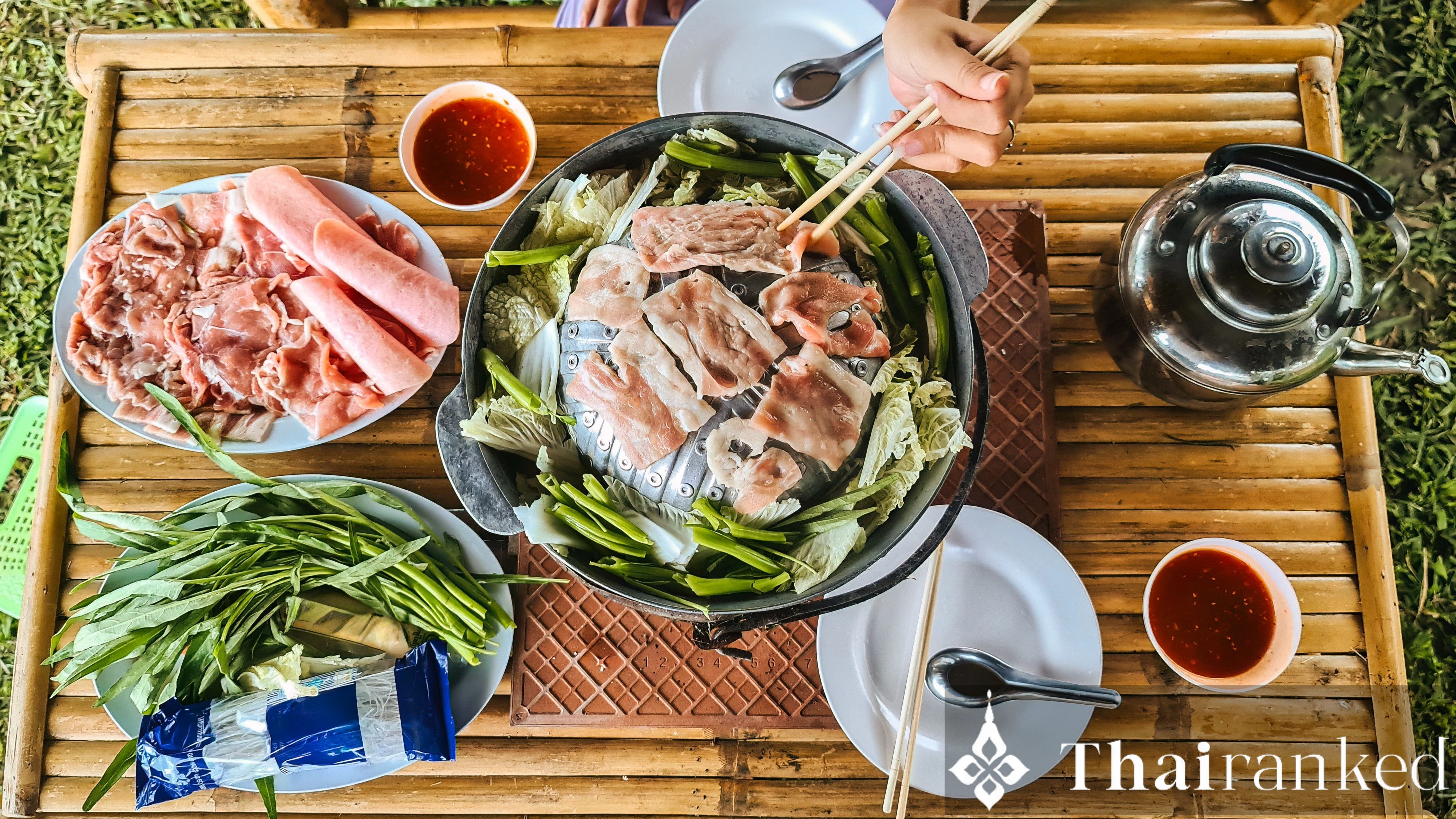
Moo kratha (also spelled mookata, หมูกระทะ) literally means "pork pan" in Thai. It merges two beloved Asian cooking traditions: grilling and hotpot. Diners cook thinly sliced pork, marinated meats, seafood, and vegetables themselves on a domed grill set above burning charcoal or gas. A moat around the dome holds simmering broth, meaning you get both grilled and soup-cooked treats in one meal. Heaps of dipping sauces and fresh veggies complete the experience. Moo kratha isn’t just about food; it’s all about fun, interaction, and shared feasting.
The Story Behind Moo Kratha: An Asian Fusion
Moo kratha is a uniquely Thai invention, but its roots lie in a combination of regional culinary influences:
- Korean barbecue (bulgogi): Grilling meat at the table was popularized in Thailand during the economic boom of the 1980s and 1990s, following waves of Korean pop culture and the growing presence of Korean expats and businesses.
- Chinese hotpot (huo guo): Thai-Chinese communities have long enjoyed communal hotpot meals, especially during holidays and celebrations. Ingredients are simmered in broth and shared by everyone.
Resourceful Thai restaurateurs combined these concepts, designing the signature "pork pan", with its domed top for grilling, and a ring for broth, creating a meal that resonates with Thai communal dining culture.
When and Where Did Moo Kratha Begin?
Moo kratha’s precise birthplace is debated, but it’s generally agreed that the trend took off in Thailand in the early 1990s. Some claim it started in Bangkok, as entrepreneurs adapted imported forms of tabletop barbecue to match local tastes and economics. Others suggest the concept caught fire in touristy cities like Chiang Mai, where businesses targeted both locals and backpackers looking for affordable, interactive meals.
What’s certain is that by the late 90s, Moo Kratha restaurants were exploding in popularity. Simple sidewalk stalls evolved into massive all-you-can-eat buffets, with “eat as much as you like” beloved by families, students, and office workers alike. Today, Moo Kratha is a national phenomenon, with chains and local spots in virtually every city and town.
Thai Dining Culture and the Moo Kratha Phenomenon
To really appreciate why Moo Kratha took off, you need to consider Thai dining culture:
- Sharing is central: Thai meals are about ordering many dishes and sampling everything together.
- Long, social meals: Moo kratha encourages lingering at the table, cooking, and chatting as you go.
- Affordable fun: Set-price buffets mean you can feast (and experiment) without worrying about the bill spiraling out of control.
Moo kratha became more than food; it was the ultimate gathering spot for friends, families, work colleagues, and even first dates. It also fit perfectly into Thailand’s late-night eating tradition, with many moo kratha spots open well past midnight.
How the Moo Kratha Pan Was Designed
The moo kratha cooking pan itself is a clever piece of Thai design:
- The center dome grills meat, the ridges allow fat to drip into the surrounding moat, flavoring the broth.
- The moat holds soup or broth, perfect for cooking greens, tofu, seafood, and noodles.
- Pans are placed over charcoal, gas, or electric burners, outdoors or inside air-conditioned restaurants.
Many believe the original design was inspired by a blend of Korean barbecue grills and Chinese shabu-shabu pots, adapted for Thai ingredients and eating habits. Eventually, affordable aluminum and even disposable pans made moo kratha accessible to almost everyone.
Moo Kratha and Modern Thailand
Today, moo kratha is firmly woven into the fabric of Thai society. You’ll find open-air barbecue buffets at city edges, roadside stalls, giant warehouse halls, and even air-conditioned shopping mall branches for comfort. Regional spins also exist. Isan moo kratha might feature spicier dipping sauces, while southern Thailand adds fresh seafood to the mix.
Moo kratha’s popularity hasn’t gone unnoticed overseas, either. Mookata restaurants are popping up in Singapore, Malaysia, Australia, and beyond, introducing the fun of Thai communal barbecue to new audiences.
Where to Experience Moo Kratha in Thailand
If you’re in Thailand, don’t miss the moo kratha experience! Try it at a bustling local night market or a dedicated buffet restaurant. For more food and nightlife in Bangkok, check out our guide to Bangkok’s Best Night Markets. Or, if you’re exploring the coast, why not combine a day of sun with a seaside barbecue and discover the best chill spots in Chonburi?
Why Moo Kratha is Here to Stay
The simple genius of moo kratha, flexible, hands-on, incredibly social, is why it’s survived foodie fads and become an icon of Thai dining. It’s a true Thai innovation, rooted in decades of cross-cultural fusion and the ongoing joy of eating together.
So, whether you’re a traveler wanting a taste of local life, an expat making new friends, or a long-time resident craving comfort food, grab a chopstick, fire up the grill, and discover why moo kratha’s sizzle is more than just a sound; it’s the heartbeat of Thai togetherness.
Key takeaways
- Moo kratha blends Korean barbecue and Chinese hotpot traditions into a uniquely Thai dining experience.
- The dish exploded in popularity in the 1990s and is now a nationwide favorite.
- Its design and communal nature reflect core Thai values of sharing and fun.
- Moo kratha remains accessible, affordable, and is found across Thailand and abroad.
- Trying moo kratha is a must for travelers and a comforting ritual for locals.
- Experience more Thai food culture at Korat Night Markets or dive into the world of Thai spicy dishes with these Southern favorites.
by Thairanked Guide
Thairanked helps you discover great places in Thailand!
Search Hotels & Flights
Related Insights
Discover the real Makha Bucha Day in Thailand: How locals celebrate, temple rituals, why bars close, and what travelers should know about this spiritual holiday.
Join the vibrant Hae Pha Khun That Festival in Nakhon Si Thammarat, where thousands parade golden cloth to honor the sacred stupa and sample Southern Thai cuisine.
Discover the vibrant Poy Sang Long festival in Northern Thailand, where Tai Yai boys are adorned and paraded before ordination. Culture, colors, and travel tips.
Join the global Muay Thai community at Ayutthaya on March 17, 2026, for the legendary Wai Kru Ceremony. Learn about the tradition and what to expect at this iconic event.
Discover Makha Bucha, Thailand’s first major Buddhist holiday, its miracle story, teachings, and essential Thai traditions, making merit and candle processions.