Lucky Fruits & Their Meanings for Chinese New Year
January 21, 2026 05:50 PM
Last edited: January 20, 2026

by Thairanked Guide
Thairanked helps you discover great places in Thailand!
Search Hotels & Flights
Related Insights


Why Fruits Matter During the Chinese New Year in Thailand
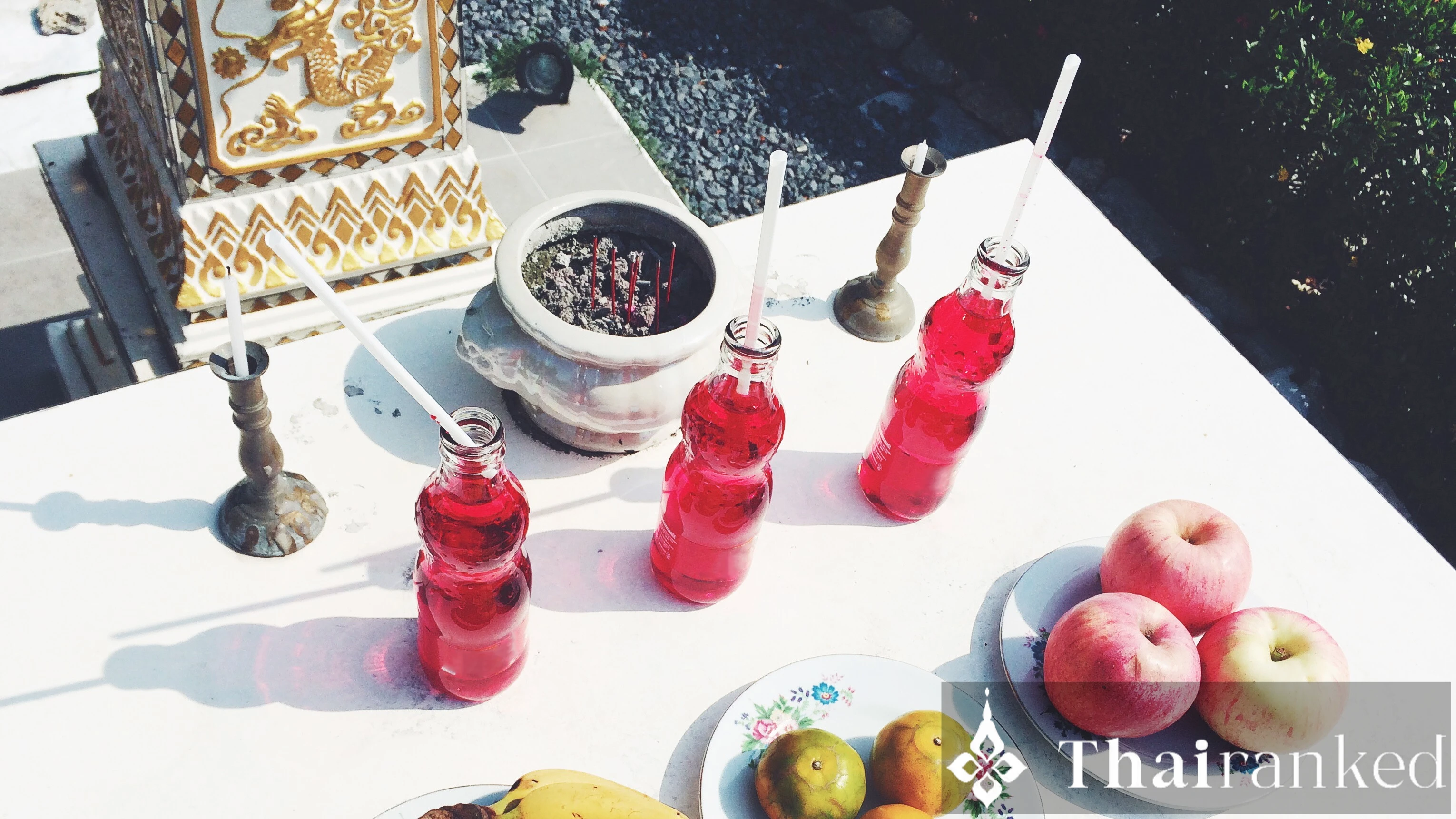
If you stroll through any Thai-Chinese community in Bangkok, Chiang Mai, or Hat Yai around Chinese New Year, you’ll spot tables piled high with colorful fruits nestled among incense and red envelopes. Have you ever wondered why certain fruits, like oranges, pomelos, and apples, dominate these auspicious displays? For many Thai-Chinese families, choosing the right fruits for their offerings is as important as the color of the money envelopes: it’s all about attracting good luck for the coming year.
The Symbolism of Auspicious Fruits
Fruit offerings are steeped in symbolism, often relying on wordplay and colors connected with abundance, prosperity, and good fortune. Let’s break down why these fruits hold such a special place in Chinese New Year celebrations in Thailand and what they mean for your family’s luck.
Oranges: The Fruit of Gold and Success
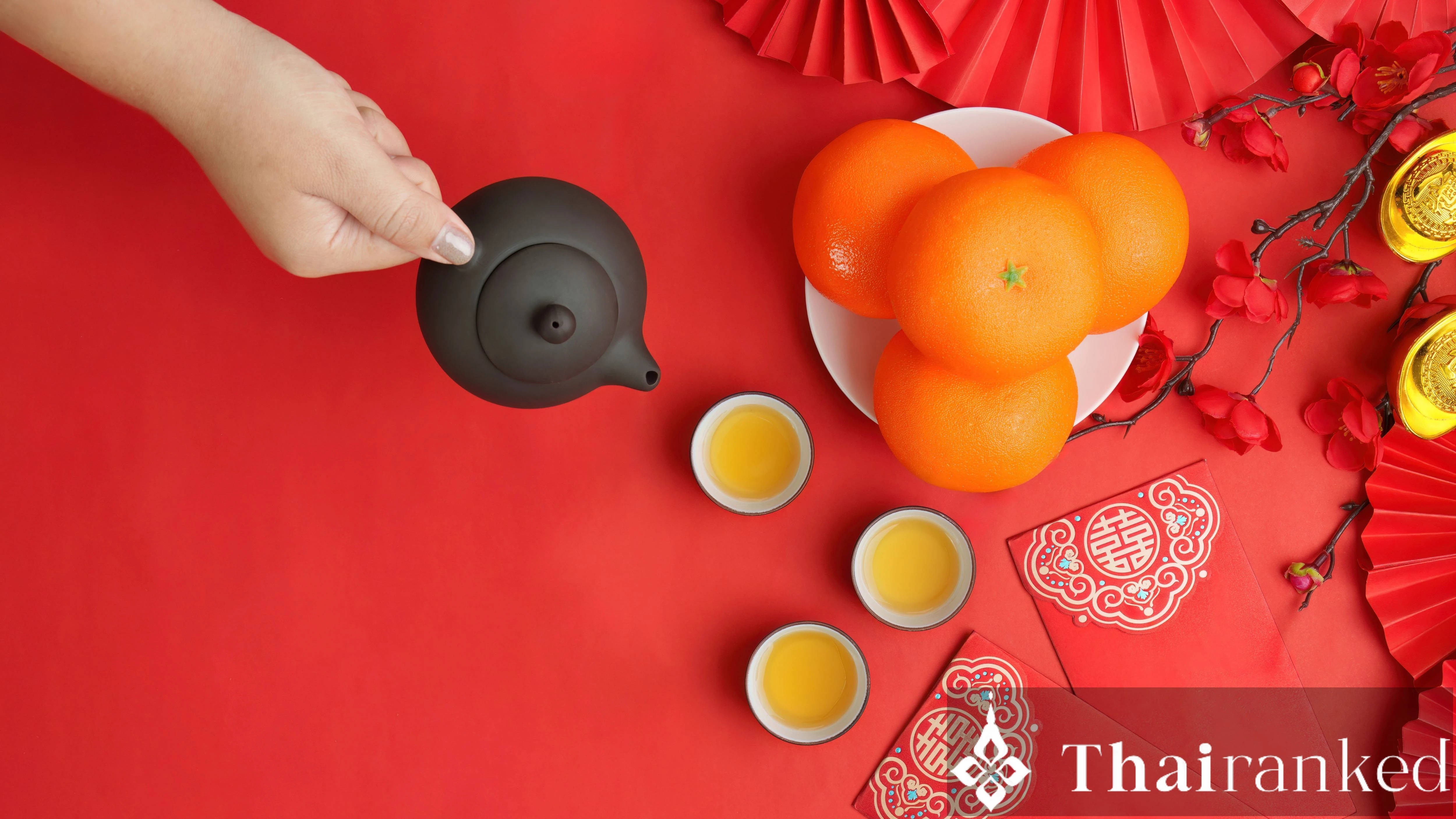
If you visit a Thai market in January or February, you’ll notice a surge in beautiful, round oranges, often stacked in pyramid-shaped displays and wrapped in festive red mesh. In both Chinese and Thai-Chinese culture, oranges symbolize wealth and prosperity. The explanation is two-fold:
- Color: The golden-orange hue is reminiscent of gold, a universal symbol of abundance and fortune.
- Pronunciation: In Cantonese, the word for orange sounds similar to "gold" (金, gam). Even in Thai-Chinese dialects, oranges are linked to money and luck.
When you give oranges (with leaves intact, if possible), you’re wishing the recipient “luck like gold” and financial success in the coming year. This simple, sweet fruit is central to any Chinese New Year offering in Thailand.
Pomelos: Magnifying Health, Luck, and Prosperity
Pomelos, known as "som-oh" in Thai, are another must-have for Chinese New Year tables. Their symbolism comes from their size and the way the word sounds in different Chinese dialects. Here’s why you’ll find large, pale-green pomelos tucked beside mandarins and apples:
- Pronunciation: In some Chinese dialects, the word for pomelo (柚, yòu) is a homophone for "to have" (有), symbolizing abundance and prosperity.
- Shape and size: Their round, plump form stands for “wholeness,” “completeness," and family unity.
- Health symbolism: Pomelo is nutritious, so it’s often associated with long life and good health, another crucial wish for the new year.
Offering pomelos is a subtle way of saying, “May our family always have enough, enough money, happiness, and health.” Try peeling and sharing a pomelo at your next family gathering for a symbolic gesture of unity.
Apples: Wishing for Peace and Harmony
While oranges and pomelos dominate, apples have quietly become another favorite on Thai-Chinese offering tables. Why apples?
- Harmony and safety: In Mandarin, the word for apple (苹果, píngguǒ) contains the character “ping” (平), which means peace or safety.
- Color symbolism: Red apples, especially, echo the lucky red hues of the Chinese New Year, signifying happiness and good luck.
Presenting apples, especially bright red ones, during the Chinese New Year is about wishing for “peace in the home” and “harmony in relationships.” It’s a beautifully simple gesture that resonates in both family and business circles across Thailand.
What Other Fruits Are Considered Lucky?
While oranges, pomelos, and apples are the most prominent, you may also see these at Chinese New Year celebrations in Thailand:
- Bananas: Seen as bringing continuous luck and the hope for a steady stream of income.
- Pineapples: Symbolize “arriving luck,” as the Cantonese for pineapple sounds like “good fortune comes.”
- Grapes: Associated with success and upward mobility, as their clusters signify abundance.
Keep in mind that some fruits are best avoided for offerings, such as pears (which can symbolize separation), and prickly fruits like durian (which can bring obstacles) are typically left out during the Chinese New Year.
How to Present Fruit Offerings for Maximum Luck
It’s not just about which fruits you choose, it’s about how you present them. Here are a few tips for assembling auspicious fruit offerings like a pro:
- Pick fresh, unblemished fruits, no bruising or rot!
- Arrange them in odd numbers (three, five, or seven), considered luckier in Chinese culture.
- Leave stems and leaves attached, if possible, as it symbolizes continued growth and life.
- Pair with red envelopes, candles, and incense for a traditional look.
Present these offerings at the family altar (Ancestral home; บ้านบรรพบุรุษ) or at a shrine. When visiting relatives during the Chinese New Year, you can also gift a box of auspicious fruits as a warm gesture of goodwill.
Fruit Offerings in Modern Thai-Chinese Culture
While the cultural meanings behind fruit selections remain strong, Thai-Chinese families now mix tradition with modern convenience. You’ll see imported Fuji apples and Sunkist oranges alongside classic Thai pomelos. Even supermarkets offer ready-made gift boxes featuring auspicious fruit, making it easy to participate in these beloved rituals.
Fruits aren’t only for spiritual offerings; sharing oranges or apples with friends or colleagues is a lovely way to extend your New Year’s blessings. No matter your background, embracing this tradition can add a meaningful (and delicious!) dimension to your celebrations.
Experience More of the Thai-Chinese New Year
If you’re curious about other fascinating Thai-Chinese customs or you want to explore the best places to celebrate, check out these related guides:
- Why You Shouldn't Wash Hair or Sweep Floors in the Chinese New Year
- Why Thailand Celebrates New Year 3 Times
- Thai Holidays in 2026: The Best Festivals for Travelers
Key takeaways
- Oranges represent wealth and prosperity, thanks to their color and symbolic pronunciation.
- Pomelos stand for abundance and family unity.
- Apples are associated with peace and harmony, especially the red ones.
- Presentation matters: fresh fruits, odd numbers, and leaves attached are key.
- Other lucky fruits include bananas, pineapples, and grapes.
- Gifting auspicious fruits is a heartfelt way to wish luck in the Thai-Chinese New Year.
by Thairanked Guide
Thairanked helps you discover great places in Thailand!
Search Hotels & Flights
Related Insights
Discover why Thais dip green mango in chili salt, the origins, flavor secrets, and tips for trying this tangy, spicy Thai snack on your next trip.
Discover the secrets of the Thai noodle shop condiment tray. Learn how to use sugar, fish sauce, chili powder, and vinegar like a local.
Curious why Thailand’s year is 2569 instead of 2026? Discover the origins of the Thai Buddhist calendar and how to quickly convert it to the Western year.
Discover the meaning behind Thailand's Red Fanta offerings at spirit houses. Learn about San Phra Phum, ancestor shrines, and etiquette for expats.
Understand Thailand's rules on heads and feet: learn Buddhist and Hindu beliefs, social taboos, and practical tips for respectful interaction as an expat or traveler.
What people ask about
"Lucky Fruits & Their Meanings for Chinese New Year"
Here you will find answer to the most popular questions.