Why Ladyboys are so visible and accepted in Thailand?
February 04, 2026 04:25 AM
Last edited: February 02, 2026

by Thairanked Guide
Thairanked helps you discover great places in Thailand!
Search Hotels & Flights
Related Insights
Ladyboys in Thailand: Thailand’s Unique Gender Landscape
When you visit Thailand, chances are you’ll quickly notice a unique and vibrant part of Thai society: the kathoey population, often referred to in English as “ladyboys.” You’ll see kathoey working everywhere, from beauty salons and high-end boutiques to banks, hospitals, TV screens, and corporate boardrooms. Their visible presence and social acceptance often surprise newcomers, raising questions: why are ladyboys so prominent in everyday Thai life, and what does true acceptance look like in modern Thailand?
Who Are Kathoey? Understanding Thai Terminology
The Thai word “kathoey” (กะเทย) traditionally refers to people assigned male at birth who present as female. It’s a term that sits somewhere between "transgender women" and "drag performers,” but the nuances of Thai gender categories can be more complex. Nowadays, most kathoey self-identify as transgender women. However, you’ll sometimes find kathoey using terms like “sao praphet song” (second-type woman) or simply calling themselves “phuying” (woman).
English speakers often use "ladyboy," but in Thailand, context and respect matter. Most prefer either "kathoey" (with a friendly tone) or simply their affirmed gender identity. For a closer look at Thai nicknames and terms, check out Why Is Your Thai Friend Named Beer, Golf, or Pancake?.
Ladyboys at Work: From Nurses to Bankers and Beyond
Unlike in many Western countries, seeing a transgender woman working as a bank teller or a nurse is completely unremarkable in Thailand. You’ll spot kathoey everywhere in daily life:
- Healthcare: Many kathoey work as nurses, hospital staff, or in beauty clinics.
- Financial Services: Bankers, tellers, and customer service professionals.
- Retail and Sales: Fashion boutiques, shopping malls, and high-end cosmetics counters.
- Entertainment: Actors, models, pop singers, and even hosts on primetime TV.
- Service Industry: Hotels, restaurants, spas, and airlines.
This breadth is not tokenism; these jobs reflect genuine opportunity and visibility. It’s become a cliché that “ladyboys are everywhere” in Thailand, but for many, this is simply an ordinary part of Thai social life.
The Roots of Acceptance: Southeast Asian Perspectives on Gender
Thailand, and much of Southeast Asia, has a long history of third-gender and nonbinary roles. While some Western societies pathologized gender non-conformity, in Thailand, kathoey and trans people have historically occupied visible social spaces, such as entertainment, spiritual work, or the beauty industry.
This doesn’t mean there has always been total equality or the absence of discrimination, but the shared Buddhist and animist heritage, with its flexible attitudes toward gender and karma, cultivates tolerance and live-and-let-live instincts. The Thai tendency toward “kreng jai”, not wanting to offend others, plays its role too.
Modern Visibility & Acceptance: What Does "Accepted" Really Mean?
Western travelers often romanticize Thai cultural openness. While it’s true that kathoey enjoy more everyday visibility and are commonly seen across all walks of life, some nuances remain:
- Social Acceptance: Most Thais see kathoey as a regular part of society. Transphobia and discrimination are far less overt than in some countries.
- Legal Barriers: Despite widespread social integration, Thai law does not yet allow transgender people to legally change their gender marker on official documents.
- Family & Tradition: Acceptance can still vary in families, especially in rural or conservative regions. Urban Thais tend to be much more accepting.
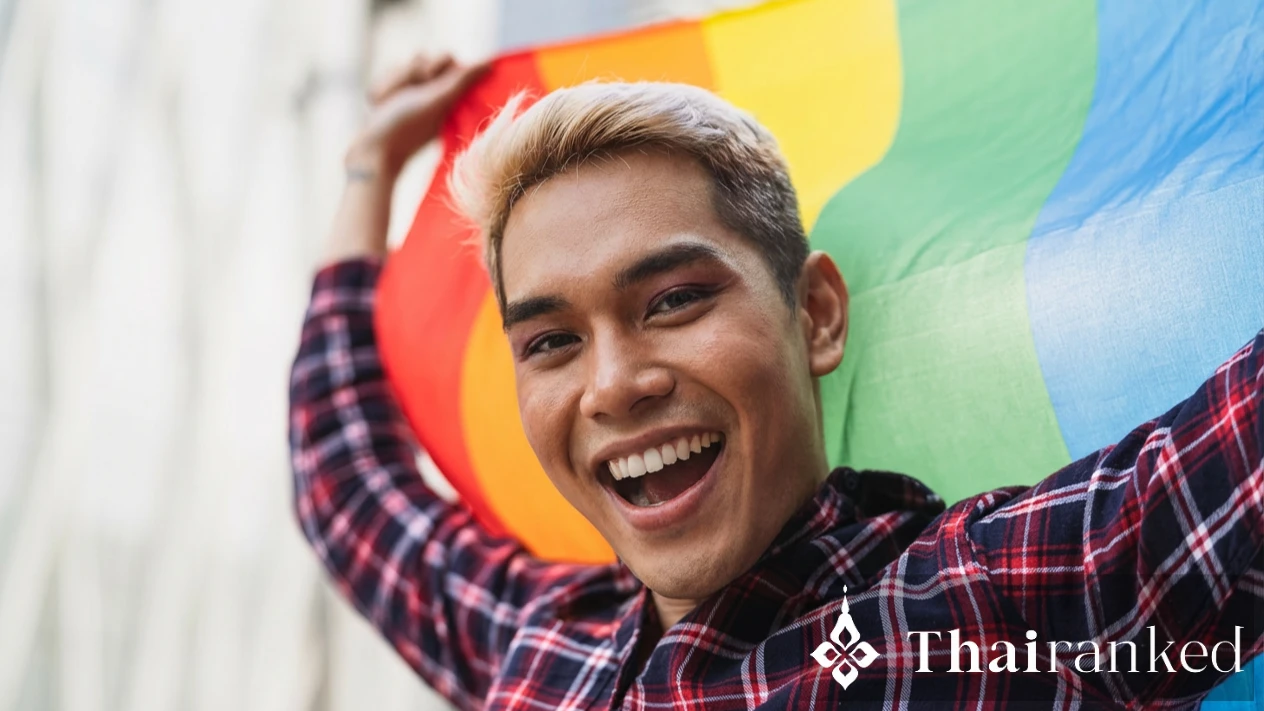
- LGBTQ+ Progress: The country has seen genuine legislative progress, such as recent marriage equality debates and surging Pride events (see the LGBTQ+ Events Calendar).
Workplace acceptance is genuine in many sectors, especially in urban areas and tourism. Firms catering to international clients proudly employ kathoey, celebrating their polished presentation and unique style. In some industries like beauty, entertainment, and hospitality, kathoey are often trendsetters and icons.
From Cabarets to Corporate: Changing Stereotypes
Many travelers first encounter kathoey in glamorous cabaret shows in Pattaya or Phuket, but today’s generation transcends the entertainment niche. Thai kathoey are increasingly visible as entrepreneurs, executives, or politicians. In fact, some have won national beauty pageants, launched successful businesses, or advocated for LGBTQ+ rights.
If you want to experience the spectrum of Thai culture, from energetic nightlife to refined museums, check out our guides to the best bars in Thonglor and the best museums in Bangkok.
A Glimpse Into Everyday Life
The ordinary presence of kathoey, shopping at supermarkets, working at the bank, and hosting TV shows, shapes Thai urban culture. For expats and travelers, it’s not uncommon to have colleagues, friends, or service staff who are transgender women. Familiarity often fosters comfort: in Thai society, labels matter less than manners, mutual respect, and a sense of "sanook," or fun.
Looking for insider tips on where to spot Thai contemporary life in action? Explore our guide to Bangkok’s top hotels for a taste of urban energy, or browse unique activities at Get Your Guide - Bangkok.
The Future: From Tolerance to Full Equality?
As Thailand continues to modernize, legal rights are slowly catching up to social realities. Parliament is debating marriage equality, public figures openly identify as transgender, and more kathoey organizations advocate for anti-discrimination laws. While not all hurdles have been cleared, the cultural groundwork for inclusion is strong and growing.
Travelers can feel comfortable exploring and asking polite questions about Thai gender diversity, but always do so with sensitivity and respect. And if you’re considering relocating, Thailand’s generally open atmosphere extends to most aspects of urban life, making it a regional leader in LGBTQ+ comfort and visibility.
Key takeaways
- “Ladyboys” (kathoey) are a familiar, accepted presence in Thai society.
- Transgender women work openly as bankers, nurses, entertainers, and more.
- Cultural acceptance is strong, though some legal and traditional barriers remain.
- Thailand’s unique gender perspective is rooted in history and Buddhism.
- The country is moving, sometimes slowly, toward full LGBTQ+ equality.
by Thairanked Guide
Thairanked helps you discover great places in Thailand!
Search Hotels & Flights
Related Insights

A foreigner's inside guide to the most luxurious VIP cinemas in Bangkok. Are $30 tickets, reclining beds, and unlimited snacks worth the price? Full ranking and review.
Fuel prices remain stable in Thailand today, with Gasohol 95 priced at ฿33.05 across major brands and Diesel B7 at ฿31.14.

Avoid Songkran travel chaos! Tips for safely using BTS, MRT, and tuk-tuks in Bangkok. Learn water gun rules, wet zone warnings, and escape strategies.
Essential tips for expat pet owners on keeping dogs and cats safe during Thai heatwaves and noisy Songkran festivities. Hydration, protection, and more.
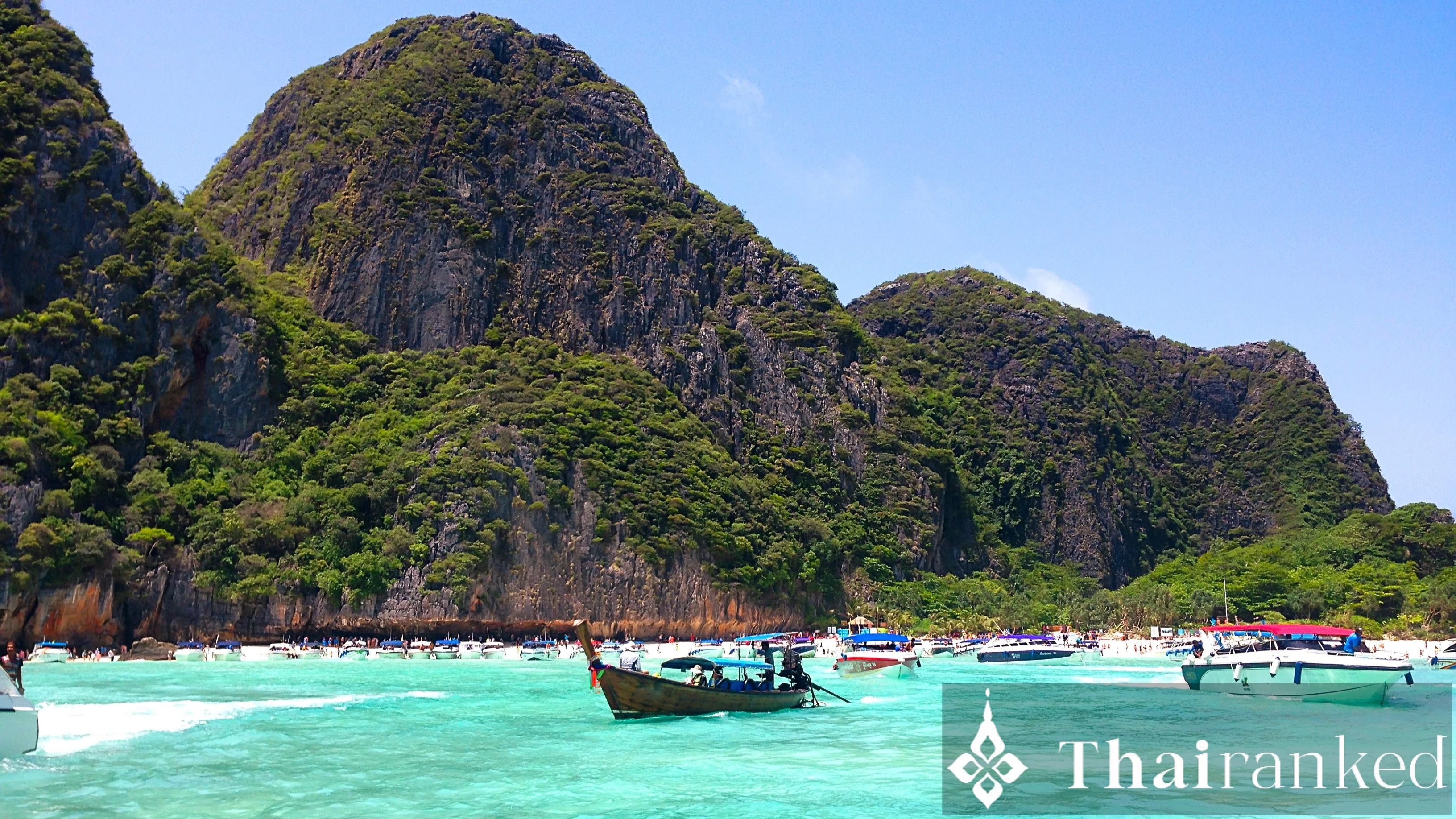
Compare Koh Phi Phi’s iconic parties and Maya Bay with Koh Lipe’s tranquil beaches and reefs. Which is Thailand’s real “Maldives”? Discover your perfect island escape.
What people ask about
"Why Ladyboys are so visible and accepted in Thailand?"
Here you will find answer to the most popular questions.