Why Kanchanaburi Is Perfect for SUP Boarding
June 02, 2026 10:42 AM
Last edited: June 02, 2026

by Thairanked Guide
Thairanked helps you discover great places in Thailand!
Search Hotels & Flights
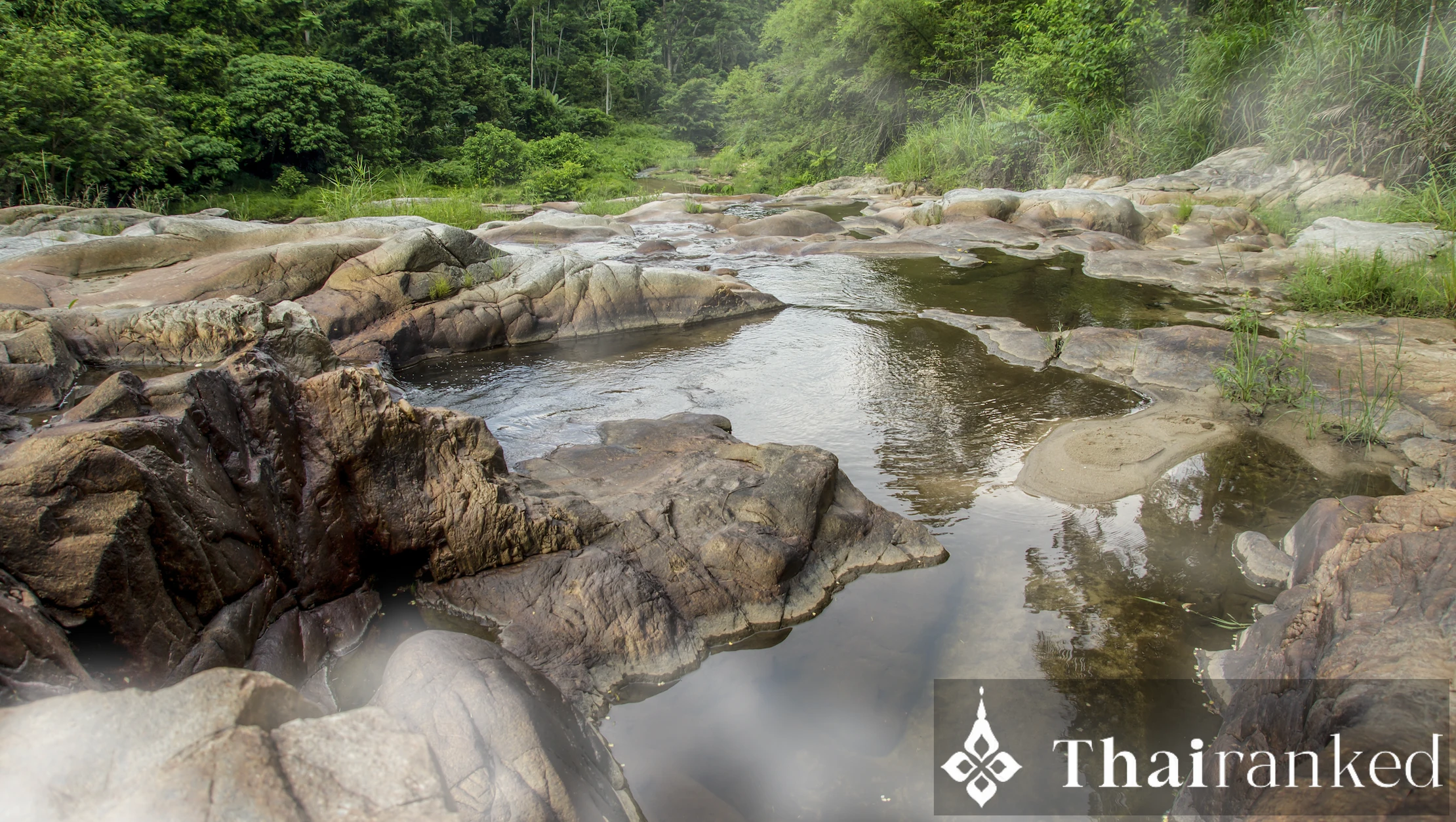
Experience tranquility in Kanchanaburi
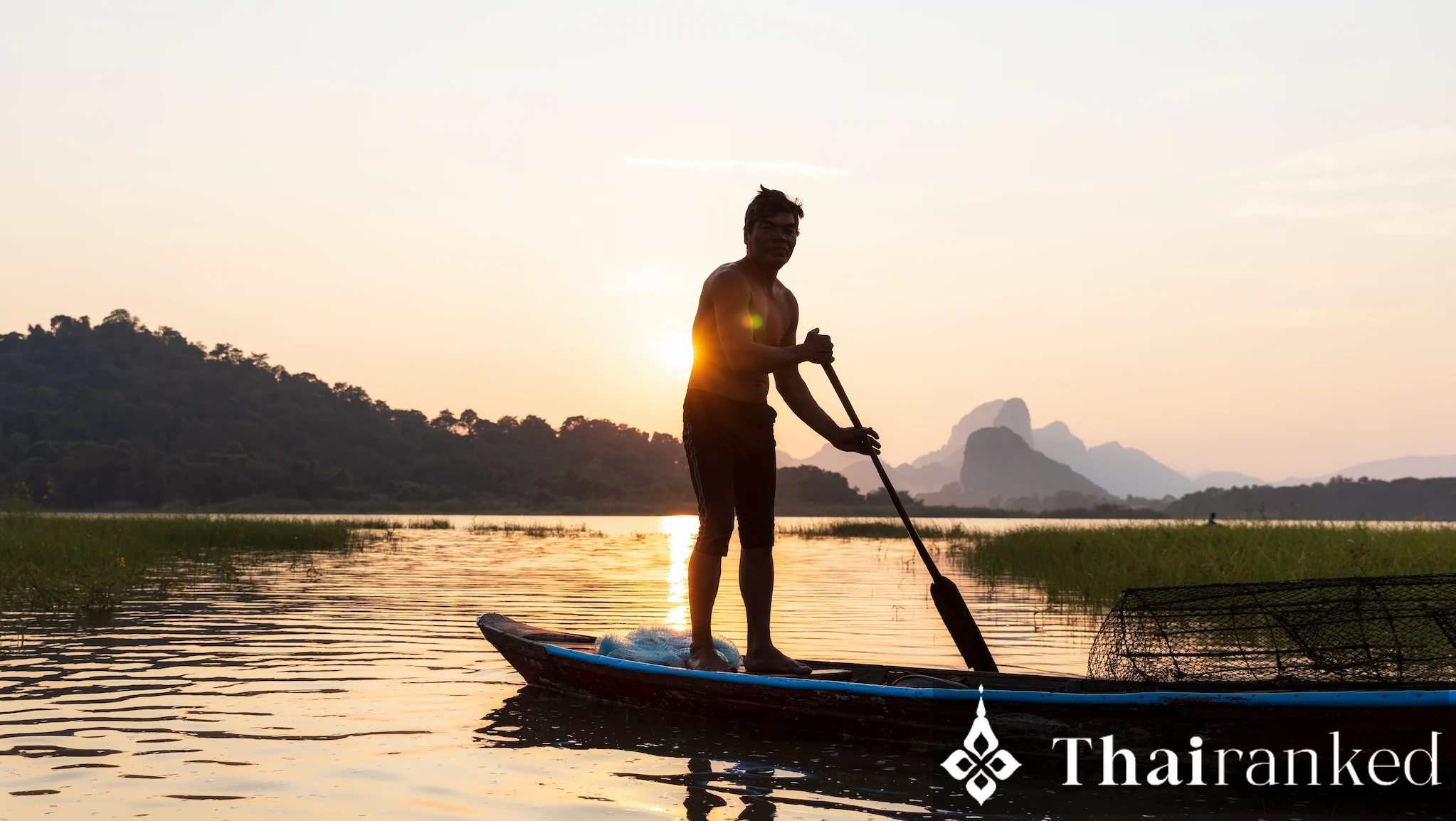
You arrive in Kanchanaburi and find wide water, green hills, and morning mist. The province sits along the River Kwai, offers large reservoirs, and hosts waterfalls and quiet tributaries that suit stand-up paddleboarding. You trade city noise for birdsong, you push off a board, and you move at human pace. That calm makes Kanchanaburi one of the best places in Thailand to stand up and paddle.
Why Kanchanaburi stands out for SUP
You find three advantages that put Kanchanaburi ahead of other Thai destinations for SUP. First, the water offers variety, from flat stretches near town to wide reservoir bays. Second, the scenery changes every hour, with limestone hills, teak forests, and historical sites along the banks. Third, the infrastructure supports paddlers, with rental shops, guided tours, and easy access from Bangkok.
Water conditions that suit paddlers
Calm river sections and reservoir coves give you stable conditions to learn or to cruise. You avoid strong surf and tidal currents that coastal paddlers face. You control speed and distance, you stop for photographs, and you land on quiet banks for a picnic. That control matters if you paddle with family or if you train for longer trips.
Scenery and side trips
Boarding routes pass through landscapes you can visit by land. You pair a morning paddle with a trip to Why Hellfire Pass is Kanchanaburi’s Must-Visit Site?, or you slide into a reservoir cove and follow a forest trail to hidden viewpoints. You plan an afternoon at waterfalls in Erawan National Park, and you use paddling as a way to move between attractions.
Top SUP routes in Kanchanaburi
Choose routes based on skill, time, and the experience you want. Each route below keeps the focus on calm water, green scenery, and minimal boat traffic.
1. River Kwai Town stretch
Start near Kanchanaburi town and paddle a gentle stretch of the River Kwai. The river runs broad there, with scenic temples and memorials on the banks. You find short loops that keep you close to shore, which suits beginners, and you can finish at a riverside cafe. Guides run half-day trips that include a basic safety briefing and a demo on technique.
2. Reservoir bays, early morning
You head up to Vajiralongkorn Reservoir for long, quiet crossings and dramatic cliffs. Early morning reduces boat traffic and produces glassy water. You cross to secluded bays and drop anchor for lunch on a flat rock or a small beach. Large water gives you space to practice turns and distance paddling without currents or swell.
3. Sai Yok tributary paddle
You explore smaller tributaries near Sai Yok to see forested banks and limestone bluffs. These arms of the river offer shade, wildlife sightings, and calm lanes where you trade long lines for narrow channels. The route suits paddlers who want to combine birdwatching and photography with a quiet outing.
When to go
You pick the dry season for the steadiest water. You avoid monsoon months when rivers run strong, and you check local weather and river-level warnings before launching. You prepare for hot midday sun in the dry season by starting trips at dawn or late afternoon.
Safety and river etiquette
You treat river paddling as you would any water activity. Carry a life jacket, and wear it. Tell someone your route and expected return time. Keep a whistle and a basic first-aid kit in a dry bag. Watch for motorized long-tail boats in zones used by local transport, and give larger boats a wide berth. Land politely on private banks, and avoid disrupting temples or memorial sites along the River Kwai.
River hazards to watch for
- Strong currents near weirs and dam outlets, avoid those areas.
- Boat traffic in town stretches, yield to motorboats and keep to one side of the channel.
- Hidden submerged obstacles near river bends, probe with a paddle if unsure.
Rentals, guided tours, and lessons
You find rental shops in Kanchanaburi town that provide boards, paddles, and life jackets. Many operators offer guided half-day and full-day trips, which include transport to launch sites and a safety briefing. Choose a guided trip if you carry gear you cannot transport, if you want local knowledge about tides and currents, or if you want a mixed activity day that includes a waterfall hike or a historical visit.
Questions to ask rental operators
- Confirm the board type and condition, and ask whether they fit you with a leash and PFD.
- Request a local weather and current briefing for your planned route.
- Ask if the guide carries a radio or phone for emergency contact.
Gear checklist for a river or reservoir paddle
Pack gear that protects you from sun, insects, and unexpected swims. You do not need a complete expedition kit for a morning paddle, but bring essentials.
- Life jacket, approved and properly fitted.
- Leash, attach it for reservoir or wave-prone sections.
- Sun protection, hat, sunglasses with retainer, and reef-safe sunscreen.
- Dry bag for phone, ID, cash, and snacks.
- Water and snacks, you burn calories under the sun and you must stay hydrated.
- Footwear, light river shoes for rocky landings and hikes after paddling.
Combine SUP with Kanchanaburi highlights
You extend a paddling trip into a day of cultural and natural visits. Walk the Hellfire Pass trail, visit war memorials, then return to the water for a sunset paddle. Use the reservoir as a base for an overnight houseboat stay and an early morning paddle before the heat builds. If you plan a multi-day trip across western Thailand, read the Ultimate Backpacking Guide Across Thailand for routing ideas.
You check air quality before paddling during haze season with the best air pollution apps for Thailand. You time national park visits to months with lower visitor numbers, and you consult our piece on the best national parks to visit in Thailand if you plan a trip that combines paddling and trekking.
Local customs and respect
You approach cultural sites on the riverbank with respect. Remove shoes if you step into temple grounds, keep noise down near memorials, and ask permission before landing on private property. You carry out trash, and you avoid feeding wildlife. That respect keeps access open for paddlers and helps maintain relationships with local communities.
Practical travel tips
You reach Kanchanaburi from Bangkok by car in around two to three hours, depending on traffic. You also reach the town by train from Thonburi station if you prefer a slower arrival that drops you near riverside markets. If you bring your own board, secure it to a roof or pack it in a bag for bus or train transport. If you travel light, book a rental operator that provides transport to launch points.
Final notes
You will find quiet water, varied scenery, and enough infrastructure to make SUP in Kanchanaburi straightforward. Paddling fits day trips and longer adventures, and it pairs with the province’s historical sites and national parks. You leave the river with a sense of calm, and you return with a plan for another route.
Key takeaways
- Kanchanaburi offers calm river stretches and large reservoir bays that suit all SUP skill levels.
- The dry season generally provides the steadiest water and clearest skies for paddling.
- Bring a life jacket, leash, dry bag, sun protection, and water, and follow local river etiquette.
- Combine paddling with visits to Hellfire Pass, Erawan waterfalls, and scenic viewpoints.
- Use local rental operators for guided trips and transport to remote launch points.
Search Hotels & Flights
Related Insights
Learn how to travel in Thailand cheaply and efficiently. Discover practical tips on saving money on transportation, accommodation, food, and activities while enjoying Thailand’s culture, beaches, and nightlife.

Planning to get a tattoo in Thailand? Learn how to choose the right tattoo studio with expert tips on artists, hygiene, pricing, and aftercare.
Compare Koh Samui and Koh Phangan for beaches, nightlife, costs, transport and family friendly options. Tips for travelers, couples, and digital nomads.
Compare Chiang Mai and Koh Phangan for weather, cost, activities, nightlife, digital nomad life, family travel, and packing tips to pick the best Thai escape.
Relax and recover in Ranong, Thailand’s top natural hot spring destination. Find public and private baths, health benefits, etiquette, and a 1-day wellness itinerary.
What people ask about
"Why Kanchanaburi Is Perfect for SUP Boarding"
Here you will find answers to the most popular questions about Thailand.