History of King Rama X's Birthday and Thai Traditions
July 27, 2026 04:27 AM
Last edited: July 27, 2026

by Thairanked Guide
Thairanked helps you discover great places in Thailand!
Search Hotels & Flights
Related Insights


Introduction
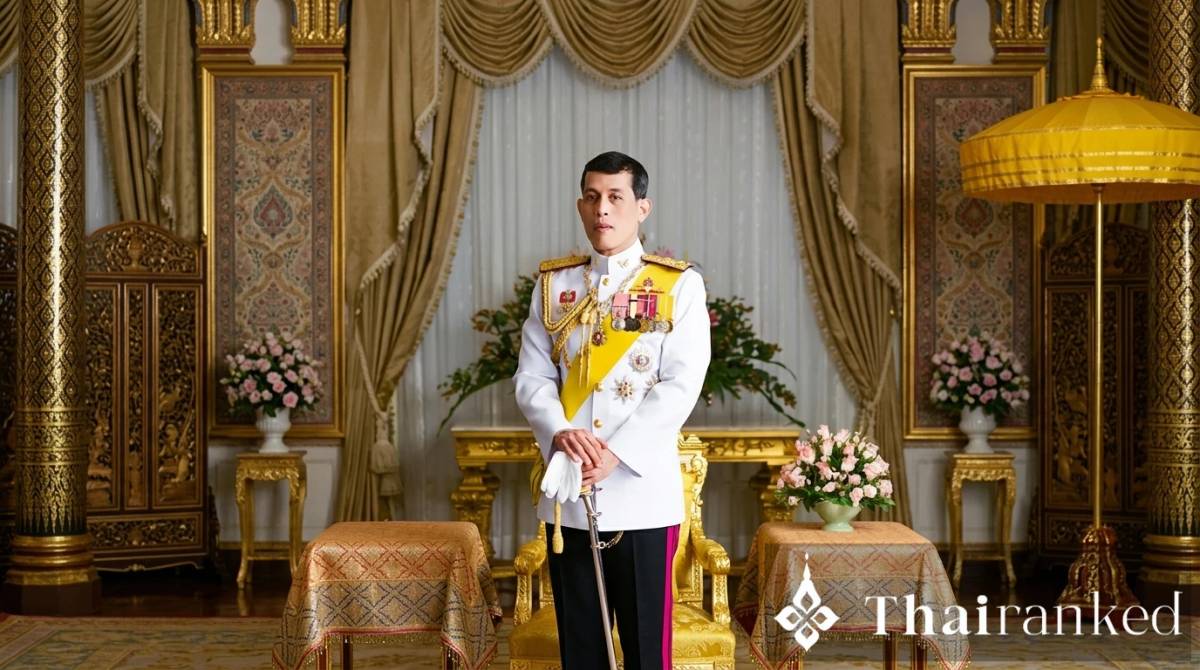
King Maha Vajiralongkorn, known as King Rama X, celebrates his birthday on July 28, 2026. Thailand marks that date with a mixture of royal ceremony, Buddhist rites, and public displays of loyalty. This article traces how his birthday entered Thailand's public calendar, describes the rituals you will see, and offers practical advice for travelers and expats planning to be in Thailand on or around July 28, 2026.
Short history: from prince to monarch
Vajiralongkorn received his title as heir apparent during the reign of his father, King Bhumibol Adulyadej. He became king in 2016, following King Bhumibol's death, and held coronation rituals in 2019. Each stage in his life affected how institutions and the public marked his birthday. People celebrated his birthday when he served in the military, when he took on public royal duties, and after his accession as sovereign. The birthday developed into a national occasion that combines state ceremony and popular observance.
How Thailand marks a royal birthday
Thai society treats royal birthdays as state occasions that link the monarchy, religion, and civic life. The government organizes official events, temples host merit-making ceremonies, local communities hold parades or public gatherings, and businesses display portraits and flags. You will notice several recurring elements each year.
Religious ceremonies and merit-making
Buddhist temples lead the religious side of the celebrations. Monks receive offerings, communities make merit for the monarch, and laypeople chant and give alms. Officials attend temple ceremonies in Bangkok and in provincial centres. You can join a temple event if you want to observe the ritual respectfully, by dressing modestly and following local customs.
Official ceremonies
Government ministries conduct formal ceremonies near royal monuments and important palaces. Officials present floral tributes, read royal addresses, and participate in flag-raising events. Security forces provide visible order near key sites, including palace precincts and major public squares. Television and online media broadcast segments that highlight the day and the royal household's schedule.
Public displays and popular participation
Citizens show respect by wearing yellow garments on the king's birthday. Vendors sell portraits, yellow ribbons, and garlands. Streets near royal sites become crowded with people offering floral tributes and signing commemorative books. Private parties and charity events take place across the country, connecting civic groups with royal charities and community projects.
Symbols you will see
Symbols anchor the public meaning of the day. The national flag often flies with the royal standard. Portraits of the king appear in shops, government buildings, and on roadside stalls. Monuments and public buildings receive temporary illumination in yellow tones. Musicians and performers stage concerts that mix classical and contemporary forms, to entertain citizens and visitors.
How the birthday changed after 2016
The public scene evolved after 2016, when Vajiralongkorn assumed the throne. International observers and domestic audiences noted shifts in royal ceremonial life, and state events adapted to the new monarch's schedule and preferences. Public attention on July 28 grew as the monarchy emphasized modern communications and national events tied to royal projects. People responded by attending public ceremonies or by organizing private commemorations in their communities.
What visitors and expats should expect
If you plan to be in Thailand for the king's birthday, plan for crowds and heightened security near palaces and main temples. Transport in central Bangkok may change, with temporary road closures or traffic diversions around official events. Book any important travel or appointments before July 28, 2026, if you need to avoid disruptions. Dress respectfully if you enter temple grounds or attend a formal ceremony. Men should wear long trousers and shirts with sleeves. Women should wear skirts or trousers that cover the knee and shirts with sleeves.
Attend or observe respectfully
You can watch public ceremonies without needing an invitation. Remain quiet during religious rites, switch off phone sounds, and avoid selfies that distract participants. If officials set up barriers, follow instructions from staff or police. Many tourists combine a visit to the Grand Palace area and nearby temples with observation of birthday ceremonies, but enter the palace grounds only during designated visiting hours and when the site accepts visitors.
Photography and online posting
Photograph public decorations and crowds for personal memories. Refrain from posting images that misrepresent the ceremony or show disrespect. Thai law restricts certain speech about the monarchy, and you should avoid critical or defamatory commentary. If you run a blog or social feed, write neutral descriptions and respect local customs when you publish photos taken during state events.
Regional variations across Thailand
Provinces adapt royal celebrations to local contexts. In Chiang Mai, community temples stage merit-making and neighbourhood parades. In Phuket, local councils pair public ceremonies with cultural performances and charity drives. Smaller towns focus on temple offerings and school events that teach children about civic duty and national traditions. The mix of state ceremony and local flavour defines the holiday across the country.
Notable public dates to remember
July 28 each year (for example, July 28, 2026) remains the anchor for the king's birthday. People prepare in advance and official events appear on the royal household's calendar. The public mood often combines solemn respect with celebratory forms like concerts and community fairs. If you want a fuller view of national ceremonies in Thailand, read our guide to the country's big festivals at A Guide to the 10 Most Popular Festivals in Thailand.
Politics and public life
Royal birthdays intersect with politics and civic identity. The monarchy occupies a central place in Thailand's constitutional order, and public ceremonies provide moments for national reflection. If you follow Thailand's political scene, consult our resources on the 2026 election and political terms. Our explainer on the election results helps you place state ceremonies in context, at Thailand General Election 2026 Results. You may also find the Thailand Politics Glossary useful when you read media coverage of the day.
How the day shapes civic life
Royal birthdays sustain a network of charities, cultural foundations, and civic associations. Many groups align fundraising and volunteer campaigns with the birthday to support health, education, and disaster relief projects. You can volunteer with a local charity on the birthday, so long as you coordinate with organisers and follow local rules for participation.
Practical checklist for July 28, 2026
- Check transport updates for road closures near palaces and major temples.
- Wear respectful clothing if you plan to enter temples or attend a ceremony.
- Book hotels and key appointments before July 28, 2026 to avoid last-minute shortages.
- Follow instructions from police and event staff at public gatherings.
- Respect laws on royal images and refrain from provocative speech online.
Key takeaways
- King Rama X's birthday falls on July 28 each year (for example, July 28, 2026), and Thailand marks the date with state ceremony, religious rites, and popular tributes.
- You will see temple merit-making, official floral tributes, and public displays of portraits and yellow symbols.
- Expect crowds and security near palaces and major temples, and plan travel and appointments accordingly.
- Follow local dress codes, respect religious rituals, and avoid contentious online commentary about the monarchy.
- Read more on national festivals and politics through our related guides, including the election results and political glossary links above.
Search Hotels & Flights
Related Insights
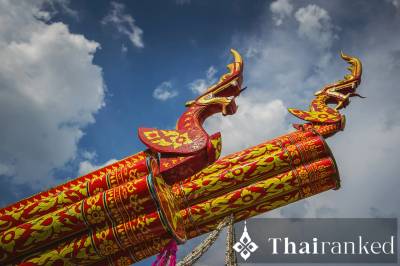
Discover the fascinating legend and history behind Bun Bang Fai, Thailand’s explosive Rocket Festival that launches homemade rockets to awaken the rain gods.
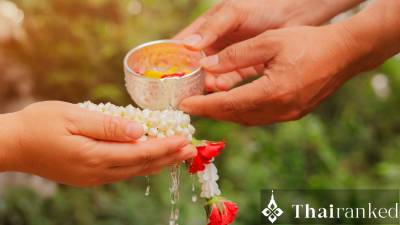
Discover how to celebrate Songkran the traditional way: Buddhist blessings, merit-making, and customs, no water fights required!

Discover Trang’s unique “Frog Head” tuk tuk. Ride through the city in style, explore must-see spots, and experience authentic local life.

Discover the history of Wan Dek, Thailand's National Children's Day. Learn why it is celebrated on the second Saturday of January.
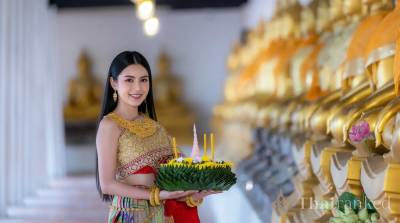
Discover the history and meaning of Thailand’s Loy Krathong Festival, the enchanting “Festival of Lights” where people float candlelit baskets to honor the water goddess, let go of negativity, and welcome new beginnings under the full moon.
What people ask about
"History of King Rama X's Birthday and Thai Traditions"
Here you will find answers to the most popular questions about Thailand.