Chiang Mai vs Koh Phangan: Which Thai Escape Fits You?
June 25, 2026 03:51 AM
Last edited: June 25, 2026

by Thairanked Guide
Thairanked helps you discover great places in Thailand!
Search Hotels & Flights
Related Insights




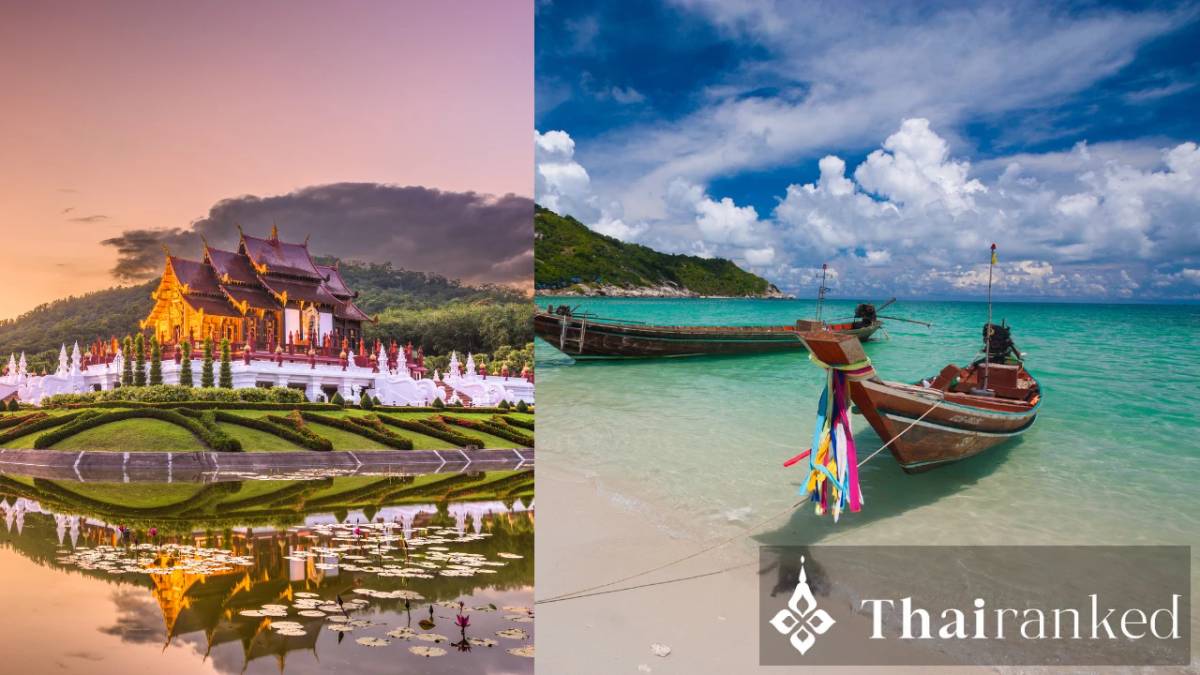
Planning a trip to Thailand forces a choice between two very different vibes, Chiang Mai and Koh Phangan. You arrive in one place and find cool mountain air, temples, and a culture shaped by northern Lanna heritage. You arrive in the other and find palm trees, beaches, and parties under the moon. This guide compares both destinations across travel time, weather, budget, things to do, nightlife, remote work, family travel, and safety, so you can choose the right island or city for your next stay.
Quick side-by-side summary
Use this short comparison to match the destination to your priorities.
- Chiang Mai, northern city, cultural sites, year-round digital nomad scene, cooler nights, strong food culture.
- Koh Phangan, Gulf island, beach life, snorkeling, yoga retreats, famous party nights, slower island pace.
Travel logistics and access
Fly domestic from Bangkok to Chiang Mai with two major airports, you reach the city in about one hour by plane. Land travel from Chiang Mai airport into the Old City takes 20 to 30 minutes by taxi. Domestic buses and trains depart Chiang Mai for other northern towns.
Reach Koh Phangan by flying into Samui or Surat Thani, then take a ferry. The fastest route uses a short flight to Koh Samui, then a 30 to 60 minute ferry to Koh Phangan. Buses and combined ferry tickets from Surat Thani take longer, but cost less if you travel on a budget.
Weather and best time to visit
Chiang Mai receives a distinct cool season, hot season, and rainy season. The cool season from November to February offers clear skies and comfortable evenings, making it the peak travel period. March to May heats up, with April the hottest month. The southwest monsoon brings rain from June to October, with heavy showers possible in September.
Koh Phangan stays warm year round, with more pronounced wet and dry swings. December to March brings calm seas and clear skies, ideal for beach time and diving. The monsoon hits from October to November, and short storms pass through between May and September. Check local forecasts before you book a diving trip.
Best Time to Visit Chiang Mai and Koh Phangan
Chiang Mai: Best Between November and February
The best time to visit Chiang Mai is during the cool season from November to February. During these months, temperatures are comfortable, humidity is lower, and skies are generally clear, making it ideal for sightseeing, exploring temples, visiting cafés, and enjoying outdoor activities.
Visitors should be aware that March and April are often affected by seasonal agricultural burning, which can result in poor air quality and reduced visibility across the region.
Koh Phangan: Best Between January and April
For Koh Phangan, the best conditions are typically found between January and April. This period offers sunny weather, calm seas, and excellent beach conditions. It is also one of the best times for snorkeling, diving, and enjoying the island's famous Full Moon Party.
The wettest months on Koh Phangan are generally October through December, when rainfall can be more frequent and sea conditions less predictable.
Budget and cost of living
Chiang Mai offers strong value for longer stays. You find budget guesthouses, midrange hotels, and upscale serviced apartments. Street food costs less than restaurant meals, and local markets keep grocery bills low. Cafes and coworking spaces charge reasonable daily or monthly rates, which benefits digital nomads.
Koh Phangan costs more for accommodation near popular beaches and party areas. Budget bungalows exist away from the main hubs, and long-stay rentals sometimes reduce monthly cost. Food costs rise on the island, since many items arrive by ferry. Expect higher prices during Full Moon Party periods and holiday weeks.
Where to stay and what to expect
Chiang Mai neighborhoods offer distinct characters. The Old City suits first-time visitors who want temples and night markets within walking distance. Nimman Road provides cafes, bars, and boutique shopping, you find coworking spaces and international restaurants there. Riverside districts provide calmer evenings and hotels with river views. For a detailed list of attractions, see our Chiang Mai Travel Guide.
Koh Phangan divides into village clusters. Haad Rin hosts the main party beaches, while Thong Nai Pan and Chaloklum attract families and beachgoers seeking quiet. Srithanu draws yoga teachers, healthy cafes, and digital nomads. Renting a scooter gives you flexibility, but hire one only after checking local rules and wearing a helmet.
Activities, tours, and local culture
Chiang Mai rewards slow exploration. Wake early for temple visits, book a cooking class to learn northern recipes, or arrange a trek to visit hill-tribe villages and waterfalls. The city fills with markets like the Night Bazaar and Sunday Walking Street, where you sample khao soi and artisan crafts. You can pair city time with a day trip to the nearby Doi Suthep temple and national park.
Koh Phangan centers on beaches, sea activities, and wellness. Snorkel or dive off the west coast, sign up for a yoga retreat, or charter a longtail boat to explore nearby islands. The island hosts regular market nights and local food stalls serving seafood and fruit. Party seekers will find global DJ nights at Haad Rin, which matches our Full Moon Party Guide 2026 coverage, and those who prefer quieter beaches will have many options.
Nightlife, food, and social scene
Chiang Mai hosts a varied food scene, from street stalls to fine dining. Nightlife stays low-key for most visitors, with relaxed bars, craft beer venues, and live music spots. Expats and nomads create a steady social calendar of meetups and workshops that benefit newcomers wanting to build a routine.
Koh Phangan delivers high contrast nights. Find big, loud parties on one side, and candlelit beach bars on the other. The island draws a crowd for music festivals and themed nights, and it maintains a wellness scene of yoga classes and detox cafes. Combine party nights with recovery days on quiet beaches if you plan a longer stay. Our guide comparing island vibes, Koh Samui vs Koh Phangan, explains differences in atmosphere for island-hopping travelers.
Digital nomad life and working remotely
Chiang Mai ranks high for remote work infrastructure. You find reliable internet in most cafes and apartments, a variety of coworking spaces, and a large international community that hosts events and skill swaps. Forming a local routine proves easy, since grocery shopping, healthcare, and transport all work without surprises.
Remote work on Koh Phangan works well in areas like Srithanu, where cafes and guesthouses tailor to nomads. Internet quality varies across the island, so test connections before signing a long-term rental. Expect slower speeds on remote beaches, and bring a backup plan such as a 4G hotspot for meetings.
Family travel and safety
Families enjoy Chiang Mai for attractions that suit kids, including elephant sanctuaries that follow ethical guidelines, kid-friendly museums, and outdoor activities like ziplining and easy hikes. Medical facilities provide good care for common travel illnesses and minor injuries.
Koh Phangan fits families who prefer calm beaches and simple days. Choose sheltered bays for children, and pick accommodations with kitchen facilities to handle picky eaters. Islands sometimes lack advanced medical centres, so plan ahead if you travel with very young children or people who may need special care.
Health, safety, and practical tips
Chiang Mai sits at higher altitude, so you find fewer mosquitoes at night compared to most seaside locations. Carry sunscreen in hot months, and bring a light jacket for cool winter nights. Stay aware of seasonal air pollution in northern Thailand between January and April, and check local air quality apps before long outdoor excursions, our list of best air pollution apps for traveling in Thailand helps with planning.
On Koh Phangan, protect yourself from sunburn, and keep hydrated during long beach days. Tides can change swimming conditions, so ask locals before swimming at unfamiliar spots. Use registered boat operators if you plan island-hopping, and secure valuables in a locked safe at your hotel or guesthouse.
Suggested itineraries
Five-day Chiang Mai sample
Day 1, walk the Old City, visit Wat Chedi Luang, and try khao soi.
Day 2, climb Doi Suthep in the morning, relax at a riverside cafe in the afternoon.
Day 3, take a cooking class.
Day 4, arrange a day trek to waterfalls.
Day 5, shop the Sunday Walking Street market and eat local snacks before departure.
Recommended Tours:
Five-day Koh Phangan sample
Day 1, settle into a beach bungalow and explore the local night market.
Day 2, snorkel at Mae Haad or take a boat trip to Koh Tao.
Day 3, join a yoga class in Srithanu,
Day 4, relax on a quiet bay and watch the sunset.
Day 5, visit a nearby viewpoint and depart by ferry.
Recommended Tours:
Choosing between them
Pick Chiang Mai if you want culture, a steady expat scene, lower costs for long stays, and easy access to northern Thailand. Pick Koh Phangan if beaches, ocean sports, yoga, and occasional big parties rank high on your list. If you plan a combined trip, fly to Chiang Mai first for cooler weather, then descend south to the islands for sun and sea. Pairing the two makes a varied Thailand trip within one visit.
Key takeaways
- Chiang Mai suits culture, food, and nomad life with lower monthly costs.
- Koh Phangan suits beach time, water sports, yoga, and party nights.
- Book island accommodation around Full Moon Party dates if you want to attend, and avoid crowded spots if you seek calm.
- Test internet before committing to long-term work on Koh Phangan, and pick neighborhoods in Chiang Mai that match your lifestyle.
- Combine both destinations for a contrast between mountains and sea during one trip.
For more local advice on planning routes and timing within Thailand, read our Ultimate Backpacking Guide Across Thailand, and check our island and city guides to refine your plan before booking.
Search Hotels & Flights
Related Insights

Thailand winter guide for Dec–Feb: plain-English monsoon and sea conditions, PM2.5 hotspots, and the best month-by-month picks for the North, Andaman and Gulf.

Explore why wellness tourism in Thailand is booming, the hotspots for healing retreats, and must-try spa, detox, and wellness experiences across the country.

Step back in time at the InterContinental Chiang Mai. Visit the preserved suite of legendary singer Teresa Teng (Deng Lijun) and enjoy a tribute afternoon tea. A perfect nostalgic trip for fans.
Plan your Chiang Mai Flower Festival 2026: parade route, best photo spots, quiet corners, event highlights, and local tips for a crowd-free floral adventure.
Learn how to travel in Thailand cheaply and efficiently. Discover practical tips on saving money on transportation, accommodation, food, and activities while enjoying Thailand’s culture, beaches, and nightlife.
What people ask about
"Chiang Mai vs Koh Phangan: Which Thai Escape Fits You?"
Here you will find answers to the most popular questions about Thailand.
 Chat with us