Thailand's New Cannabis Law: Why 7,000 Shops Closed in 2026
February 01, 2026 10:47 AM
Last edited: February 01, 2026

by Vincent Thairanked
Long time expat in Thailand, loving the food and activities option Thailand has to offer.
Search Hotels & Flights
Related Insights
Thailand’s Cannabis Revolution: The Boom – and Bust
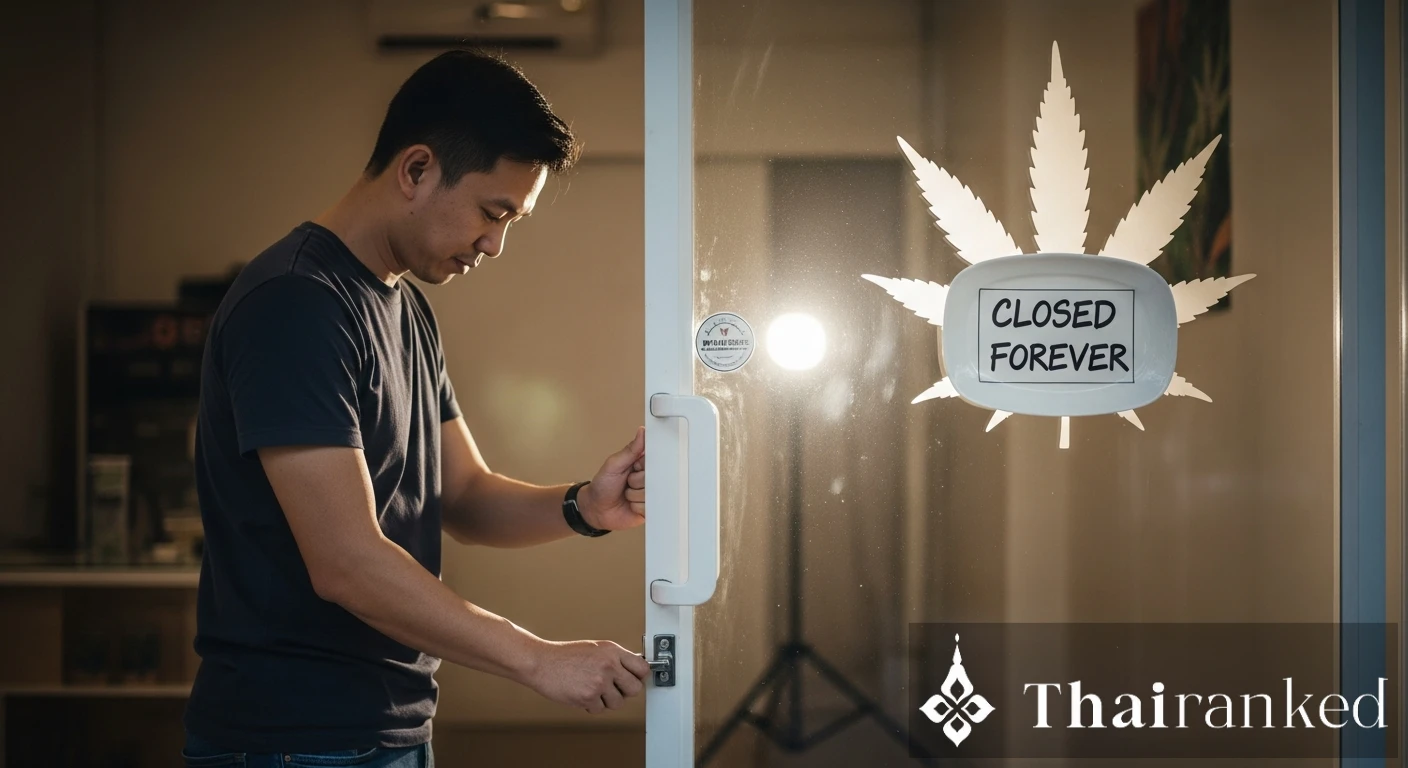
If you walked through Bangkok or Chiang Mai in late 2022, you couldn’t miss the neon-green cannabis signs and heady aroma filling the streets. For a short period, Thailand seemed on track to become Asia’s cannabis capital, with new dispensaries and cannabis cafes opening almost daily. Fast forward to February 2026, and the scene has changed dramatically. Stricter regulations have led to the closure of over 7,000 cannabis shops, sending shockwaves through the local economy and sparking intense debate over the future of Thailand’s cannabis industry.
What Triggered the Mass Shutdown of Cannabis Shops?
The catalyst was the Thai government’s sudden shift from a liberal, decriminalized environment to a highly restrictive regulatory framework. After cannabis was decriminalized on June 9, 2022, businesses and entrepreneurs—both Thai and expats—poured money into new shops, hoping for a "green rush." But by early 2026, the government reversed course, concerned by rising public health incidents and social consequences.
According to the Ministry of Public Health, as of December 2025, more than 18,400 cannabis shops dotted Thailand. By the start of 2026, licenses for 8,636 of these shops expired. Only 1,339 chose to renew; a whopping 7,297 closed their doors, unable or unwilling to meet new requirements.
Why Did So Many Shops Shut Down?
- More Complex Licensing: New rules state shops must have a licensed medical practitioner or certified traditional medicine expert available on site.
- Medical Use Only: Cannabis is now classified as a “controlled herb,” legal only for those with a prescription from a licensed doctor.
- Tourist Restrictions: Foreigners can only purchase cannabis after a Thai doctor’s consultation and with a valid medical certificate.
- Advertising Ban: All forms of cannabis marketing are prohibited, hampering cannabis businesses from attracting new customers.
- Strict Public Consumption Laws: Smoking cannabis in public can now bring fines as high as 25,000 baht.
For more on how Thai business regulations can shake up your plans, check out our guide to medical tourism in Thailand.
The Economic Fallout: Who’s Paying the Price?
The shutdown isn’t just a number—it’s a story of broken dreams and financial upheaval. Many new dispensary owners were small entrepreneurs lured by the promise of a booming industry. Expert estimates suggest that the closure of 7,297 cannabis shops represents tens of millions of baht lost on rent, equipment, renovations, and hiring. Some business owners invested close to 1 million baht, only to see the market vanish overnight.
One Bangkok shop owner shared, “At first, I believed this policy would be sustainable because the government positioned it as an economic opportunity. But now, with the new laws, our license expires in October—and all the money invested now feels lost.”
For expats and business-minded travelers pondering investment or business in Thailand, this isn’t just a cannabis story—it’s a cautionary tale about regulatory risk in evolving markets.
New Cannabis Laws: What’s Allowed, and What’s Banned?
The rules for using, selling, or even talking about cannabis in Thailand have changed beyond recognition. Here’s what the new “medical-only” framework means in practice:
- Medical-Use Cannabis Only: You must present a valid prescription from a Thai-licensed doctor for both purchase and possession. A 30-day supply limit is now enforced.
- No Recreational Use: Recreational cannabis use—or possession without a prescription—is illegal again.
- Tourist Restrictions: Tourists can only access medical cannabis after seeing a local doctor and getting a medical certificate—hopes of “cannabis tourism” have been dashed.
- Business Licensing: Dispensaries must employ certified medical staff to comply with the law.
- Public and Online Bans: No more cannabis sales online, in public markets, or anywhere near spaces classified as public (schools, temples, etc.).
- Strict Advertising Restrictions: Absolutely no cannabis advertising is allowed, whether in print, online, or in person.
- Consumption Laws: Smoking or consuming cannabis in public can result in arrests or hefty fines.
If you’re unsure how these laws might impact your Thailand trip, see our full ranking of new alcohol rules, since cannabis and alcohol regulations often intersect in Thailand’s legal landscape.
Public Health Concerns: The Other Side of Legalization
While thousands of business owners feel the sting of lost investments, public health officials say these restrictions are necessary. Since decriminalization, Thailand saw a sharp rise in cannabis-related emergencies and addiction cases. Data from the Ministry of Public Health's Health Data Center found a 3.5-fold increase in reports of cannabis poisoning, a 6.5-fold jump in cannabis addiction, and a significant rise in cannabis-induced psychosis.
In major tourist destinations, cannabis-linked emergency room visits skyrocketed, with foreign tourists making up more than 80% of such cases. This raised red flags about Thailand’s image as a safe and welcoming destination. If you’re curious about other safety concerns for visitors, you might also read our guide to emergency numbers in Thailand.
What Happens Next for the Cannabis Scene?
So, what does the future hold for the cannabis industry in Thailand? The market is now much smaller—and more professional. Only licensed dispensaries with medical staff and patients with valid prescriptions will participate. The Thai government assures that legitimate patients won’t face medicine shortages, but the days of casual walk-in weed cafes are over.
If you’re visiting Thailand and hoping for the “wild west” cannabis boom of 2022, adjust your expectations. The surviving dispensaries are tightly regulated medical clinics, not recreational hangouts. Tourists should always carry medical certificates and prescriptions if they plan on purchasing cannabis during their visit.
For a broader take on changing Thai traditions and laws, check out our blog on key political terms for expats in Thailand.
Key takeaways
- Over 7,000 cannabis shops in Thailand shut down in 2026 due to stricter medical-use-only laws.
- Business owners face significant financial losses after investing in dispensaries during the brief boom.
- New rules require medical staff onsite, a prescription for purchase, and a ban on recreational use/advertising.
- Public health concerns, including a spike in cannabis-linked ER visits, drove the government’s policy reversal.
- The cannabis market is now strictly medical, with far fewer dispensaries operating nationwide.
- Tourists must consult a Thai doctor and obtain a medical certificate to access cannabis legally.
by Vincent Thairanked
Long time expat in Thailand, loving the food and activities option Thailand has to offer.
Search Hotels & Flights
Related Insights
The Netherlands Embassy in Thailand will relocate to Dusit Central Park this August, selling its historic 100-year-old Wireless Road estate.
Current fuel prices in Thailand for April 3, 2026, showing no changes compared to previous prices. Detailed analysis included.
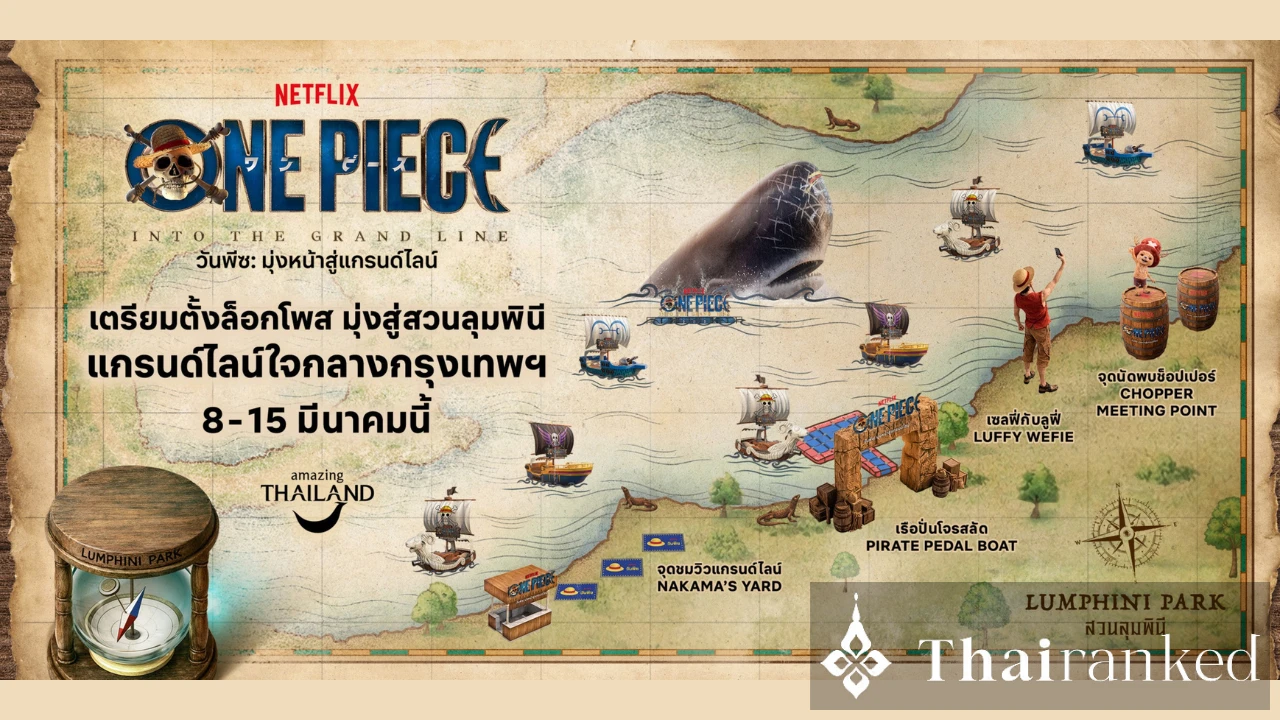
Join the free GRAND LINE IN THAILAND One Piece event at Lumphini Park, March 8–15, 2026. Celebrate Netflix’s new series in the heart of Bangkok, boat rides, photo ops & fun!
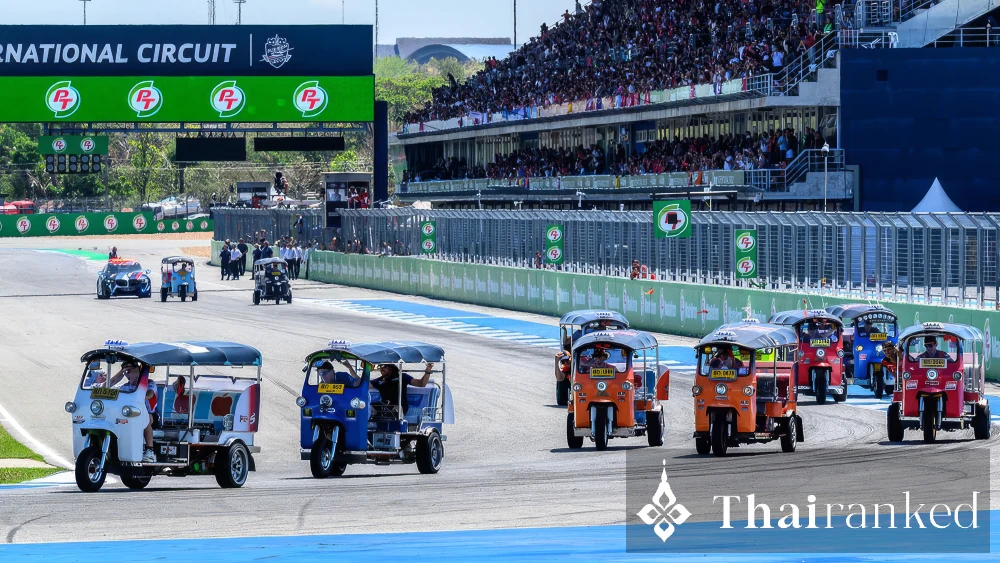
At the 2026 PT Grand Prix Thailand, MotoGP icons trade in two wheels for tuk-tuks in a playful Thai-themed race at Buriram’s Chang Circuit.
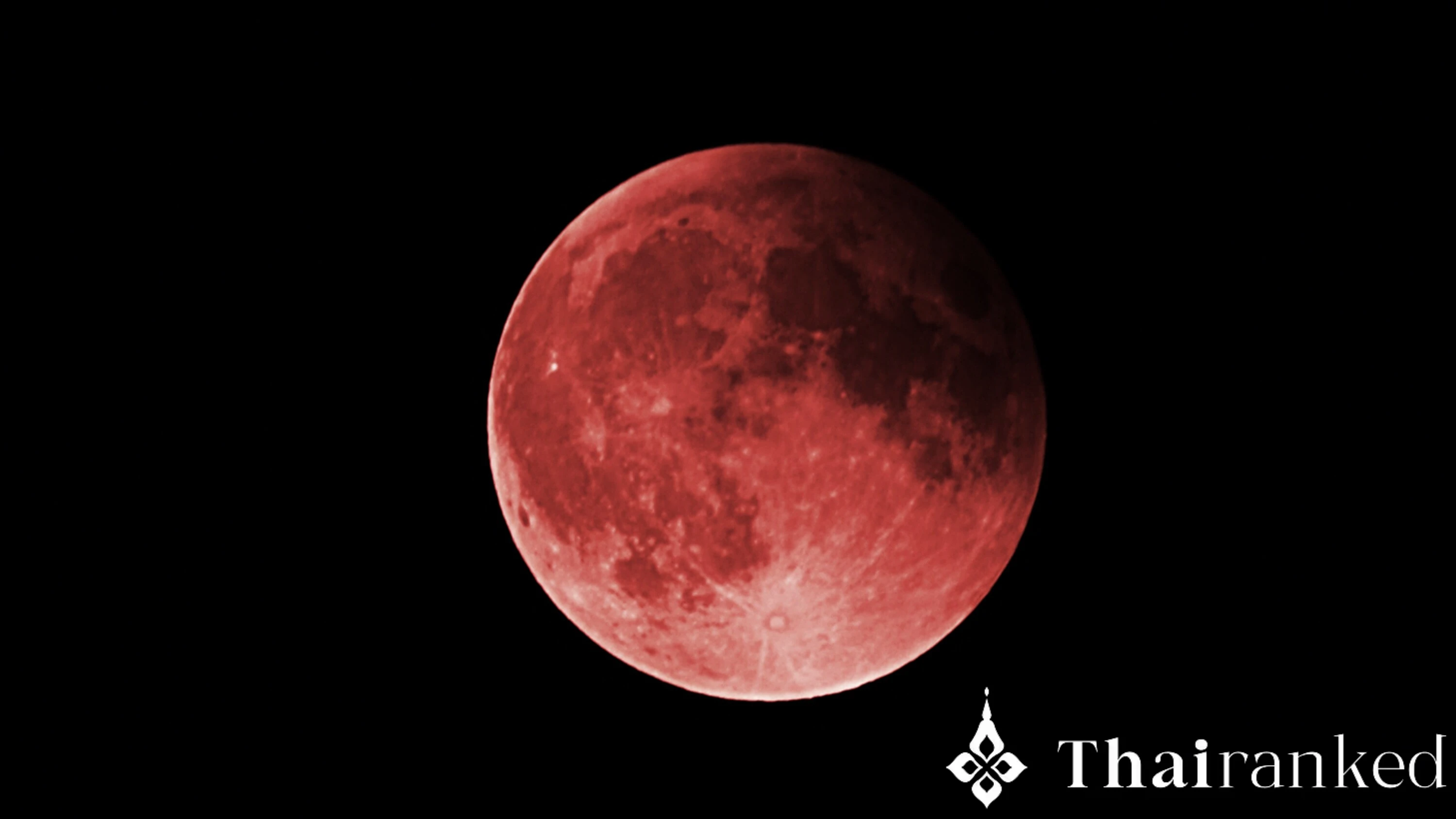
On Makha Bucha Day 2026, Thailand will witness a stunning total lunar eclipse, learn how, where, and when to watch this rare brick-red moon event.