Best Time to Visit Loei Province
April 20, 2026 07:06 AM
Last edited: April 20, 2026

by Thairanked Guide
Thairanked helps you discover great places in Thailand!
Search Hotels & Flights




Why Go to Loei Province?
Loei rises quietly at the edge of the Isaan region, wedged against Laos and hemmed by mountains. Travelers hear its name whispered by those chasing cool air, misty mornings, and a touch of mystery far from Thailand’s southern beaches. The province has its own beat, shaped by forests, high plateaus, and a culture that blends Thai, Lao, and hill tribe roots.
Seasons and Weather in Loei
Loei’s seasons stand apart from Thailand’s central or southern provinces. Its higher elevation brings chillier winters and less humid summers. Knowing when to visit makes all the difference in your Loei experience.
Cool Season (November – February)
- Weather: Crisp mornings, mist-draped mountains. Daytime temperatures hover around 15–22°C, while nights sometimes dip below 10°C, bring a sweater.
- Why visit: The air feels fresh after monsoon rains. Nature parks like Phu Kradueng, Phu Ruea, and Phu Luang hit their photogenic peak. This is the best window for hiking and outdoor adventures.
- Festivals: This season brings Phu Kradueng Opening for trekkers, and the annual Chiang Khan River Festival in December, where riverside communities light up with local food and music.
Hot Season (March – May)
- Weather: Temperatures rise to 28–35°C but the heat isn’t as oppressive as Bangkok or Chiang Mai. Lower humidity and breeze in Loei give some relief.
- Why visit: Wildflowers bloom on the plateau, especially in Phu Ruea National Park. Songkran (mid-April) brings local water fights with a distinctly Loei flavor.
- Tip: Evenings cool down thanks to elevation. Pack sunscreen and a hat for daytime exploring.
Rainy Season (June – October)
- Weather: Afternoon downpours and lush landscapes leap to life. Mornings still stay clear, but trails can get muddy.
- Why visit: Loei turns bright green. Rivers swell, waterfalls roar, and rural life slows down. Consider renting a bicycle along the Mekong in Chiang Khan or boat rides at Kaeng Khut Khu when water is high.
- Festivals: Phi Ta Khon (Ghost Festival) in Dan Sai (often in June/July), Thailand’s wildest mask celebration, draws artists, expats, and festival lovers from across the country.
Must-See Events and Festivals
Loei’s local festivals hold much of its magic. Mark your calendar for these:
- Phi Ta Khon (Ghost Festival): Locals parade in hand-made costumes and wild masks, tossing flour and confetti. The festival’s timing shifts but falls between late June and early July. Plan ahead, rooms book quickly in Dan Sai.
- Phu Kradueng Opening: Usually in October, the summit hiking trails open after closing during the rains. Adventurers camp at the plateau’s summit for sunrise cold enough to freeze your breath.
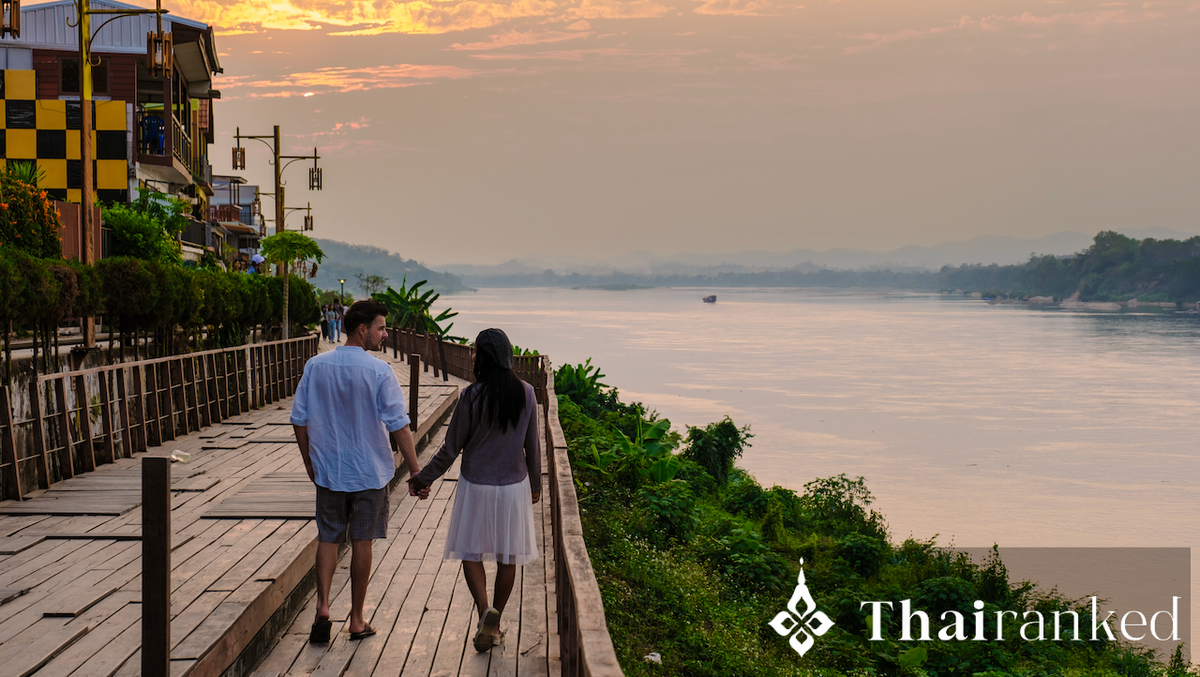
- Chiang Khan River Festival: Held in December, with street food, crafts, and fire-lit processions on the Mekong riverbank. Chiang Khan, a historic walking street town, fills with music and laughter.
If you’re planning a festival trip, book accommodation in advance. Read why street food still wins over fine dining in Thailand to help you enjoy local food stalls during festivals.
Nature Highlights by Season
Loei’s landscapes shift with each season. Plan your trip around these highlights:
- November–January: Climb Phu Kradueng for sea-of-mist sunrises, trek pine forests at Phu Ruea, and spot blooming siam tulips in Phu Luang.
- March–May: Wild sunflower fields paint the slopes, and dry trails make hiking possible. Chiang Khan’s riverside glows gold just before sunset.
- June–October: Visit Erawan Cave and Kaeng Khut Khu for dramatic waterfalls. Lush rice paddies and rocket festivals fill rural villages.
For those chasing lesser-known spots, use the cleanest air destinations in Thailand list, Loei makes the cut most years!
When to Avoid Crowds?
Peak season in Loei stretches from December through the Lunar New Year in February, then picks up again for Phi Ta Khon. Book early if you want a cozy riverside guesthouse or mountain lodge. The rainy season (except for festival weeks) sees fewer visitors. Trails sometimes close for safety. For maximum peace: travel on weekdays, outside festival dates, in November or January.
What to Pack for Loei?
- Layered clothing, mornings and evenings get cold in the hills, even in summer.
- Light rain jacket if traveling June–September.
- Hiking shoes or sandals with grip. Scrubby terrain and slippery trails are common.
- Water bottle and sunscreen all year.
- Power bank for photography, sunrises and mist roll in fast.
Travel Essentials and Tips
- Buses and minivans run from Bangkok’s Mo Chit Terminal to Loei town daily. Car rentals give freedom for national parks and outlying towns.
- ATMs work in large towns, but rural areas use cash. Chiang Khan and Dan Sai both accept cards in shops and hotels.
- Local food leans toward Lao and Isaan flavors, try grilled river fish and spicy “larb” in the markets.
For ideas on connecting Loei with other destinations, check the Chiang Mai travel guide and Krabi travel tips for a multi-region holiday.
Best Time to Visit Loei: Quick Summary
- For cool weather: November to February brings cool air, peak views, and outdoor fun.
- For cultural festivals: June/July (Phi Ta Khon) and December (Chiang Khan Festival).
- For nature lovers: Visit just after rainy season for green rice fields and waterfalls that thunder.
- For quiet retreats: Skip festival dates, aim for midweek, and use Loei as your mountain escape from city crowds.
Still exploring road trip options? Loei offers a kind of Thailand that stays with you. Forests, legends, and hospitality fill your days. Combine trips with other clean-air provinces using this list of safe provinces to visit for extended journeys.
Key takeaways
- Loei features cool, dry air from November to February: perfect for hiking.
- Phi Ta Khon and Chiang Khan River Festival showcase Loei’s unique traditions.
- Wildflowers and ‘sea of mist’ views peak in late autumn and winter.
- Loei stays quieter than most tourist spots, plan visits outside festival weeks for solitude.
- Packing layers and sturdy shoes ensures comfort year-round.
Search Hotels & Flights
Related Insights
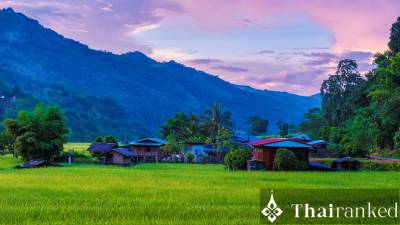
Explore a detailed comparison between Nan and Loei’s Chiang Khan for an unforgettable, authentic northern Thailand adventure. Road trip or riverside retreat? Discover your best fit.

Step-by-step advice for dealing with taxi problems in Thailand, from refusing meters to scams, reporting complaints, and staying safe during and after a ride.
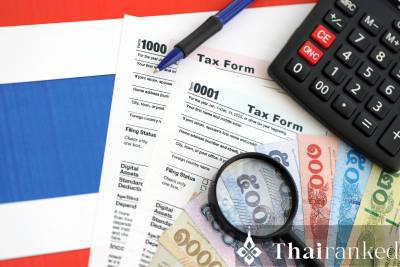
Plan your VAT refund in Thailand, 2026. Learn eligibility, documents, step-by-step airport process, tips to avoid delays, and how to get your money back.

Lost something in Thailand? Learn how to recover phones, bags, passports, and luggage and get essential replacements.

Discover how to travel around Thailand without a car, using trains, buses, ferries, flights, taxis, and local transport.
What people ask about
"Best Time to Visit Loei Province"
Here you will find answers to the most popular questions about Thailand.