Bangkok’s New Adaptive Traffic Signals: How Phra Khanong & Sukhumvit 71 Finally Move
February 06, 2026 02:52 AM

by Vincent Thairanked
Long time expat in Thailand, loving the food and activities option Thailand has to offer.
Search Hotels & Flights
Related Insights


Fighting Bangkok Traffic: A New Era for Phra Khanong & Sukhumvit 71
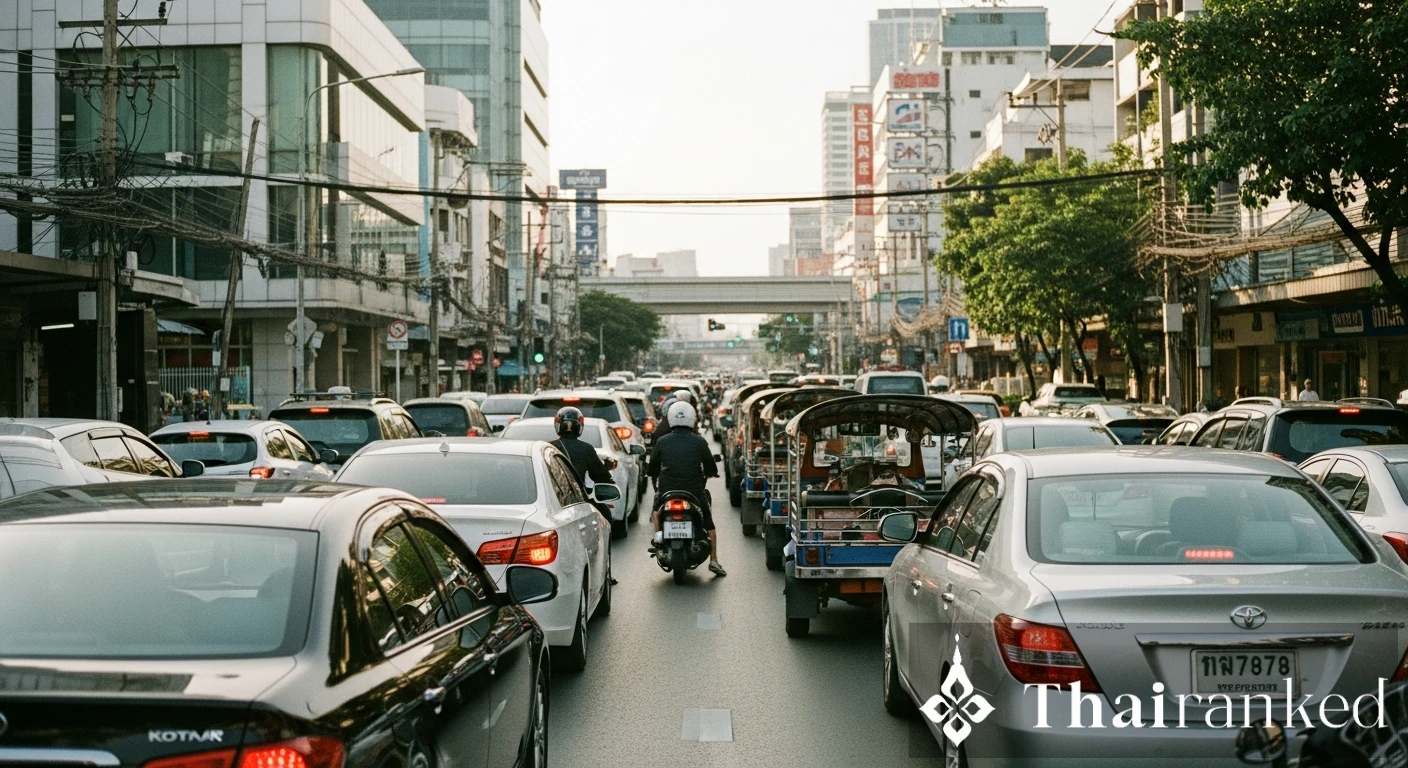
Anyone who’s spent time in Bangkok knows the pain of sitting in traffic — especially at notorious intersections like Phra Khanong and Sukhumvit 71, where a quick trip can dissolve into a stress-inducing, red-light marathon. For years, these two intersections have been synonymous with gridlock, long queues, and a test of patience for even the most zen driver.
But here’s some good news: a new adaptive traffic signal system has cut average wait times at these two notorious junctions by half, from 12 minutes to just 6. The Bangkok Metropolitan Administration (BMA) is betting big on this data-driven tech, and early signs show drivers might finally reclaim some precious time — and sanity — on the city streets.
How Do Adaptive Traffic Signals Work?
Unlike traditional traffic lights that run on static cycles, these new smart systems use a combination of CCTV cameras and data analytics to track how many vehicles are at the intersection in each direction, right now. The lights then adjust in real time, extending or shortening green lights as needed to help clear queues and reduce waiting. In high-traffic moments, for example, the green light might stay on longer to let more cars pass through, creating a smoother overall flow.
According to Wissanu Subsompon, a Bangkok deputy governor, who recently inspected the system at Sukhumvit 71, these intersections have always been bottlenecks. Phra Khanong is particularly complex, with Sukhumvit Road meeting Rama IV Road and Sukhumvit 71 in a tangle that’s stumped traffic engineers for years.
“With adaptive control, signal timing adjusts dynamically to actual conditions,” Wissanu said. "When vehicle queues are long, green-light duration is extended, allowing traffic to move more smoothly and reducing congestion.”
Halving Traffic Jams: Early Success at Phra Khanong and Sukhumvit 71
The numbers are impressive. Initial trials show that instead of sitting for up to 12 minutes, drivers at both intersections now wait an average of just 6 minutes — even during rush hour. That’s a significant quality-of-life upgrade for daily commuters, residents, and tourists alike, given that traffic congestion consistently ranks as one of Bangkok’s top annoyances.
So how does the system achieve this boost in flow? The adaptive control calculates total traffic volumes at each intersection and then synchronises signal timing between Phra Khanong and Sukhumvit 71. This means fewer isolated snarls and more coordinated passage for traffic moving in multiple directions.
Technology Meets Human Insight: The Role of Traffic Police
While the system uses data and algorithms to control everyday flow, Bangkok’s ever-resourceful traffic police are still on standby. Their expertise remains crucial in managing unexpected situations — like breakdowns, accidents, or emergency vehicles — that require quick thinking beyond what a computer can handle. This combination of smart tech and human intervention gives Bangkok a new toolkit for proactive traffic management.
As Wissanu put it, “Bangkok is applying science, technology and data to traffic management to support police operations.” This approach not only helps ease congestion but also gives police time and bandwidth to focus on the most urgent road emergencies.
Is This the Start of Smoother Bangkok Commutes?
Bangkok is infamous for its legendary traffic jams, a byproduct of booming growth, dense neighborhoods, and complicated road layouts. Stories of multi-hour commutes and stop-and-go nightmares are practically a rite of passage for city dwellers and visiting expats.
But with smart signal technology now showing real results in two of the toughest locations, the city could finally be moving towards tackling a problem that’s plagued commuters for decades. With further optimization promised, and plans for wider rollout hinted at in BMA statements, we might soon see adaptive signals elsewhere in the city — potentially at intersections like Asok, Victory Monument, or Ratchaprasong, all notorious in their own right.
What Else is Changing for Bangkok Drivers?
Improvement in traffic management technology fits into a broader pattern of modernizing the city’s infrastructure. Other areas where Bangkok is making moves include:
- Expanding mass transit lines and improving BTS/MRT connectivity.
- Developing more park-and-ride facilities to encourage public transport use.
- Increasing the number of real-time traffic info apps and air pollution alert services (explore our favorite pollution apps here).
- Adding dedicated bike and pedestrian lanes to ease inner-city mobility.
If you’re planning to drive, or are stuck deciding between a taxi, motorbike, or mass transit, it’s worth reading our Ultimate Guide to Renting a Motorcycle in Thailand, or checking where to find the top motorbike rentals in Pattaya for a quick escape from the city.
Staying Sane on the Road: Tips for Beating Bangkok Congestion
- Check traffic apps: Use Google Maps, Waze, or specific Thai apps for live updates before heading out.
- Travel during off-peak hours: If possible, avoid key commuting windows (7-9am and 5-7pm).
- Combine rides: Share transportation with friends or colleagues.
- Use BTS/MRT for long hauls: Then grab a motorbike or taxi for the last mile.
- Stay cool — literally: Bangkok’s heat and gridlock can test your patience. Carry water or try a local refreshment while you wait.
Bangkok has come a long way from its old system of timer-based lights. With a blend of data-driven innovation and street-smarts, the city may finally be making a dent in one of its biggest headaches.
Key takeaways
- Bangkok’s new adaptive traffic signals at Phra Khanong and Sukhumvit 71 have halved average wait times to just 6 minutes.
- The system uses CCTV and real-time data to adjust green lights, clearing traffic queues more efficiently.
- Traffic police remain essential for handling emergencies or unusual cases at intersections.
- The city plans further optimization and possible expansion to more busy junctions.
- This move is part of Bangkok’s wider effort to modernize traffic management and improve daily life for residents, expats, and travelers alike.
by Vincent Thairanked
Long time expat in Thailand, loving the food and activities option Thailand has to offer.
Search Hotels & Flights
Related Insights
Learn when Thailand’s 2026 election alcohol ban starts, when it ends, and what you can (and can’t) do. Stay informed and avoid penalties on Election Day.
Bangkok's new pet regulation requires dog and cat owners to register pets & implant microchips. Learn how it works, where to register, and what to expect.
Navigating Thai Immigration can be tricky, especially with recent office relocations in 2025. Whether you are a tourist needing a 30-day extension, an expat filing your 90-day report, or a business professional under the BOI board, going to the wrong office can cost you an entire day. This guide covers the current operating status of Bangkok’s main immigration centers as of late 2025. We have included the exact opening times, Google Map links, and the easiest way to get there via BTS, MRT, or Taxi.
Discover meaningful volunteer opportunities in Thailand, from NGOs to community projects, and learn how to apply. Give back while exploring the Land of Smiles!
Thailand has updated its alcohol laws for 2025, removing the afternoon sales ban and allowing alcohol purchases from 11:00 to 24:00. Learn whether you can buy alcohol at 3pm in 7 Eleven, what restrictions still apply, and what tourists, expats and locals must know about where drinking is allowed.