Why Lumpini Park Exists: The History Behind Bangkok’s Green Heart
December 16, 2025 08:29 AM
Last edited: December 16, 2025

by Thairanked Guide
Thairanked helps you discover great places in Thailand!
Search Hotels & Flights
Related Insights


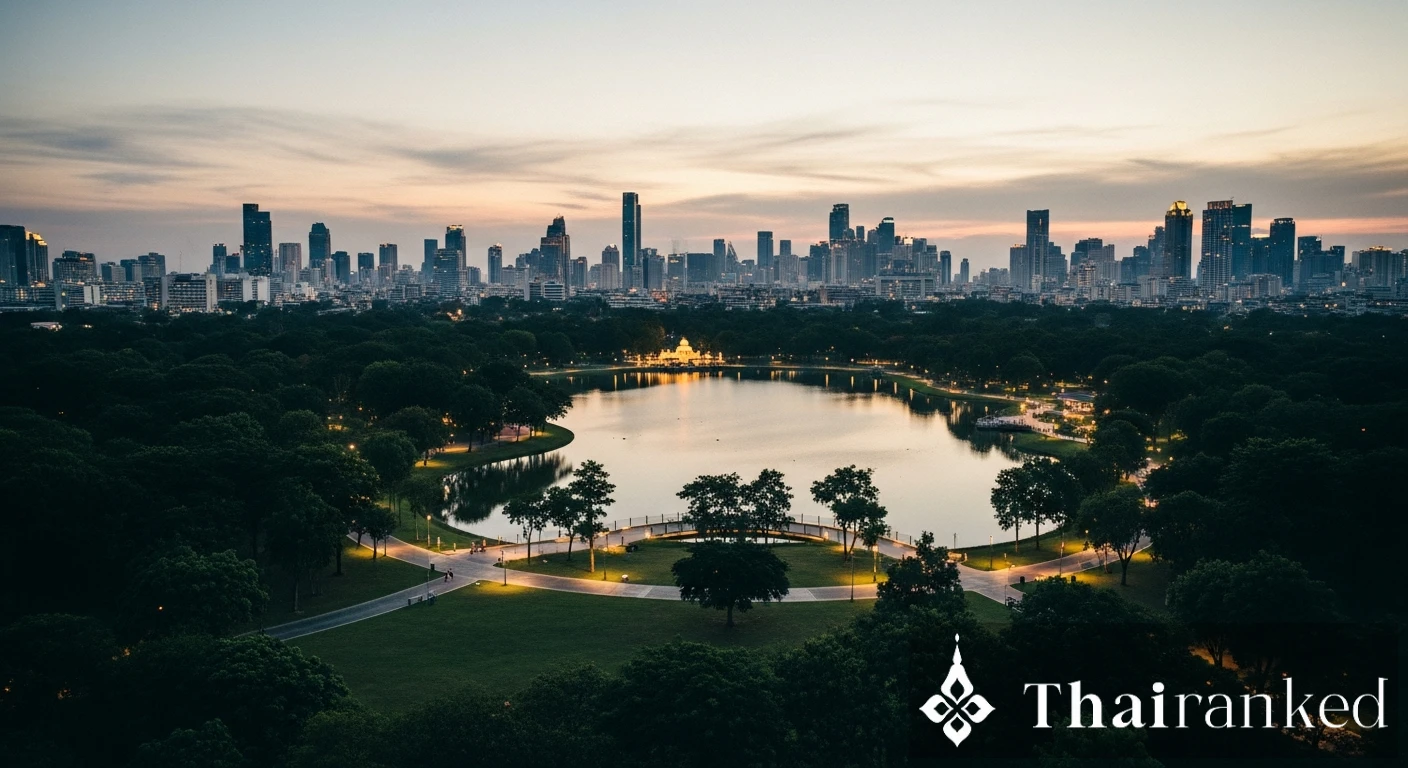
Lumpini Park is one of Bangkok’s most beloved public spaces, offering rare open greenery in the middle of one of Asia’s busiest capitals. For many residents and visitors, it is a place for morning runs, quiet lakeside walks and weekend leisure. But behind its peaceful atmosphere lies an important chapter in Bangkok’s urban history. To understand the city’s development, it helps to know why Lumpini Park was created and how it became Bangkok’s green heart.
Origins under King Rama VI
Lumpini Park was founded in the early 1920s during the reign of King Rama VI (Vajiravudh). At the time, Bangkok was modernizing rapidly, expanding beyond its traditional canals and wooden homes. The King envisioned a large public park similar to the grand urban parks he admired abroad. His intention was to create a recreational space accessible to everyone, reflecting a more modern and open society.
The land chosen for the park was originally royal property located outside the historical city boundaries. King Rama VI donated it specifically for public use, making Lumpini the first park in Bangkok designed for the general population rather than for palace or ceremonial purposes.
The meaning behind the name “Lumpini”
The park was named after Lumbini, the birthplace of the Buddha in present-day Nepal. King Rama VI selected the name to symbolize peace, reflection and cultural heritage. The intention was that the park should serve not only as a physical space for recreation, but also as a spiritual and cultural symbol within the growing city.
This naming choice reflected a broader trend during the early twentieth century in which Thailand aimed to balance modernization with a reaffirmation of cultural identity.
Bangkok’s need for green space
By the time Lumpini Park was built, Bangkok was transforming into a major regional capital. Streets were being expanded, new buildings constructed and commercial activity was increasing. With these changes came a growing need for public spaces, especially as the city’s population rose.
Lumpini Park was therefore created to serve several purposes: a place for leisure, clean air, social gatherings and physical exercise. It quickly became a cornerstone of the city’s urban planning, long before the modern network of parks and public walkways existed.
A cultural and civic centre
Throughout the twentieth century, Lumpini Park hosted major cultural events, exhibitions, concerts and social gatherings. It became a civic meeting place for people from all walks of life and played a key role in shaping Bangkok’s sense of community.
The park’s layout, with wide lawns, lakes and tree-lined paths, was intentionally designed to encourage public use. Even today, you will find early morning Tai Chi groups, runners preparing for marathons, families relaxing by the water and seniors joining community activities.
Lumpini Park today
Despite Bangkok’s rapid development, Lumpini Park has remained a vital green refuge. High-rise buildings now surround it, traffic flows constantly along its edges and the city continues to expand. Yet the park still offers quiet corners, shaded areas and natural scenery in an otherwise dense urban landscape.
For travellers discovering Bangkok, Lumpini Park offers an easy way to experience a different side of the city. Guides such as our Bangkok travel ranking or top provinces to visit in Thailand can help plan a visit that includes both cultural highlights and natural escapes like Lumpini.
Why Lumpini Park matters
Lumpini Park was founded with a forward-thinking vision: to provide public access to nature in a growing metropolis. Today that purpose is more important than ever. As Bangkok continues to expand, the park remains a reminder of thoughtful urban planning and the essential role of public spaces in city life.
Its origins reflect a unique moment in Thailand’s modernization under King Rama VI, and its continued relevance shows how well-designed public areas can support both community life and environmental well-being.
Key take aways
- Lumpini Park was created in the 1920s under King Rama VI as Bangkok’s first major public park.
- The land was donated by the King to give the public access to green space during a period of urban modernization.
- The park’s name references the Buddha’s birthplace, symbolizing peace and cultural identity.
- Lumpini Park served as a civic, cultural and recreational space for decades and continues to do so today.
- It remains a vital green lung at the centre of Bangkok and a popular stop for travellers exploring the city.
by Thairanked Guide
Thairanked helps you discover great places in Thailand!
Search Hotels & Flights
Related Insights
Discover the origins of Khao San Road, from its roots as Bangkok’s biggest rice market to its transformation into a global backpacker and nightlife hotspot.
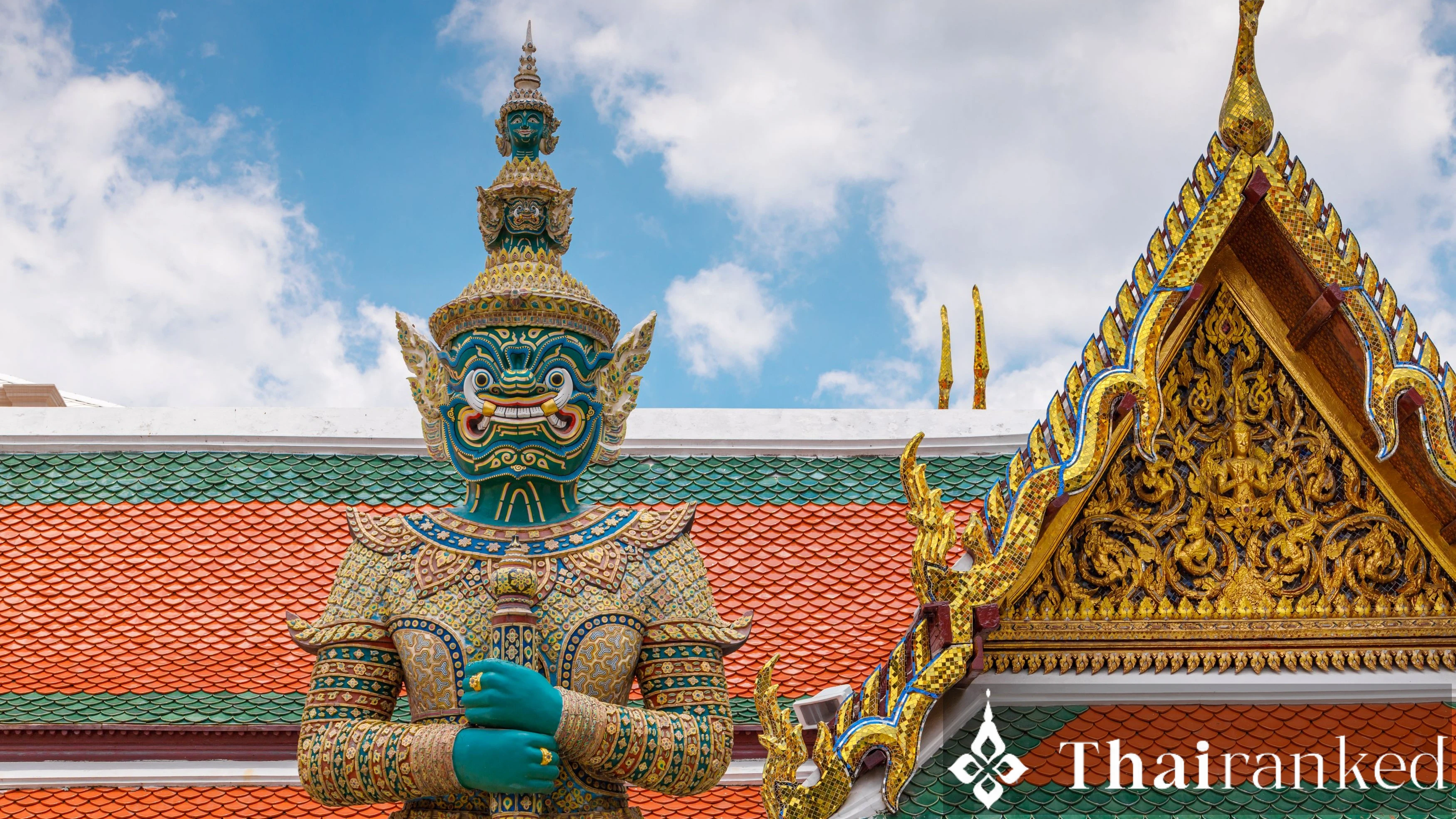
Discover the story behind the 12 giant Yaksha statues at Suvarnabhumi Airport. Learn about their Ramakien roots, Ravana, and Thai mythology.
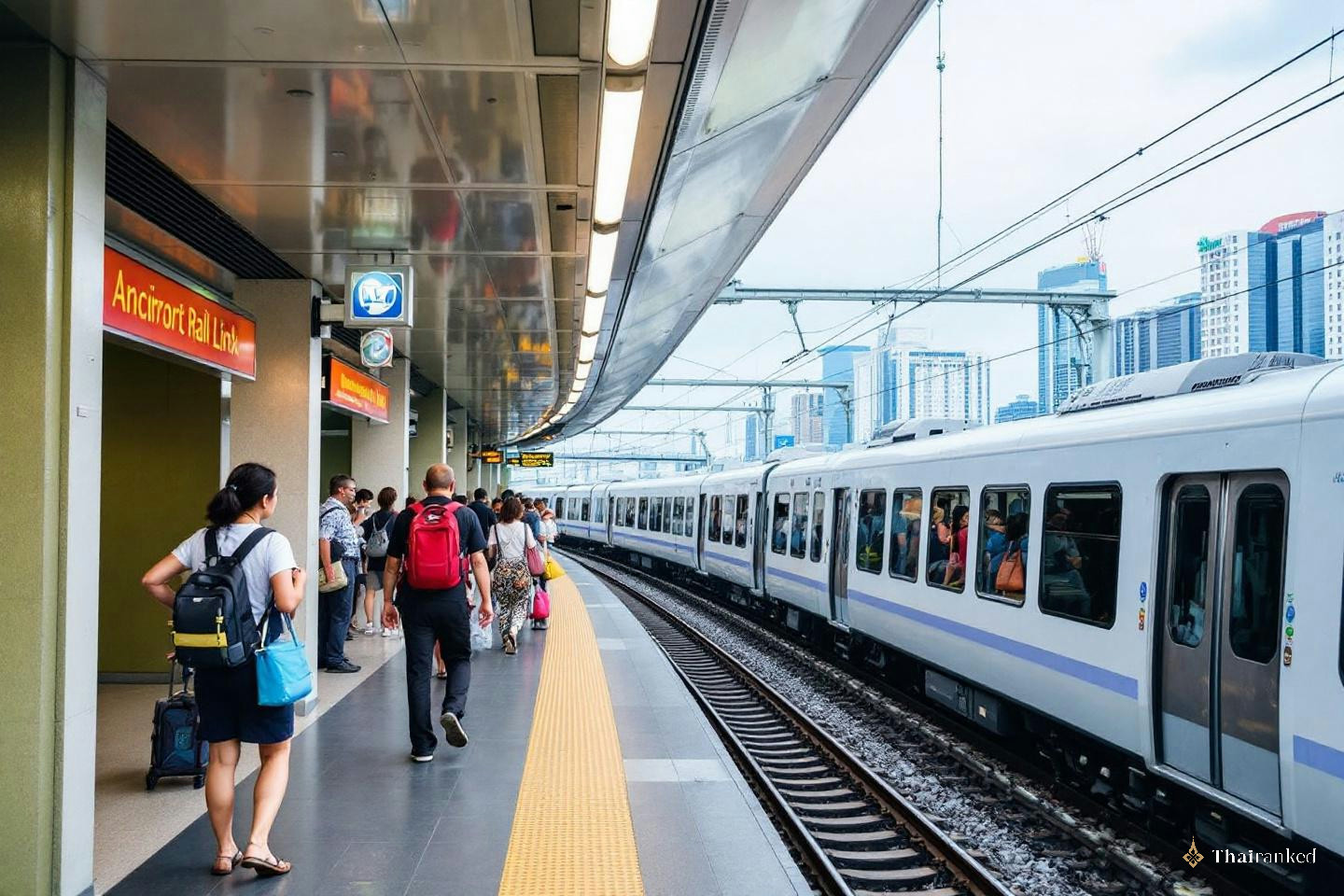
Discover the history, timeline, fares, and travel tips for Bangkok's Airport Rail Link. Learn how this vital city-airport line improved travel for locals and tourists.
Discover the history of Wan Dek, Thailand's National Children's Day. Learn why it is celebrated on the second Saturday of January, the unique traditions involved, and the meaning behind the Prime Minister's motto.
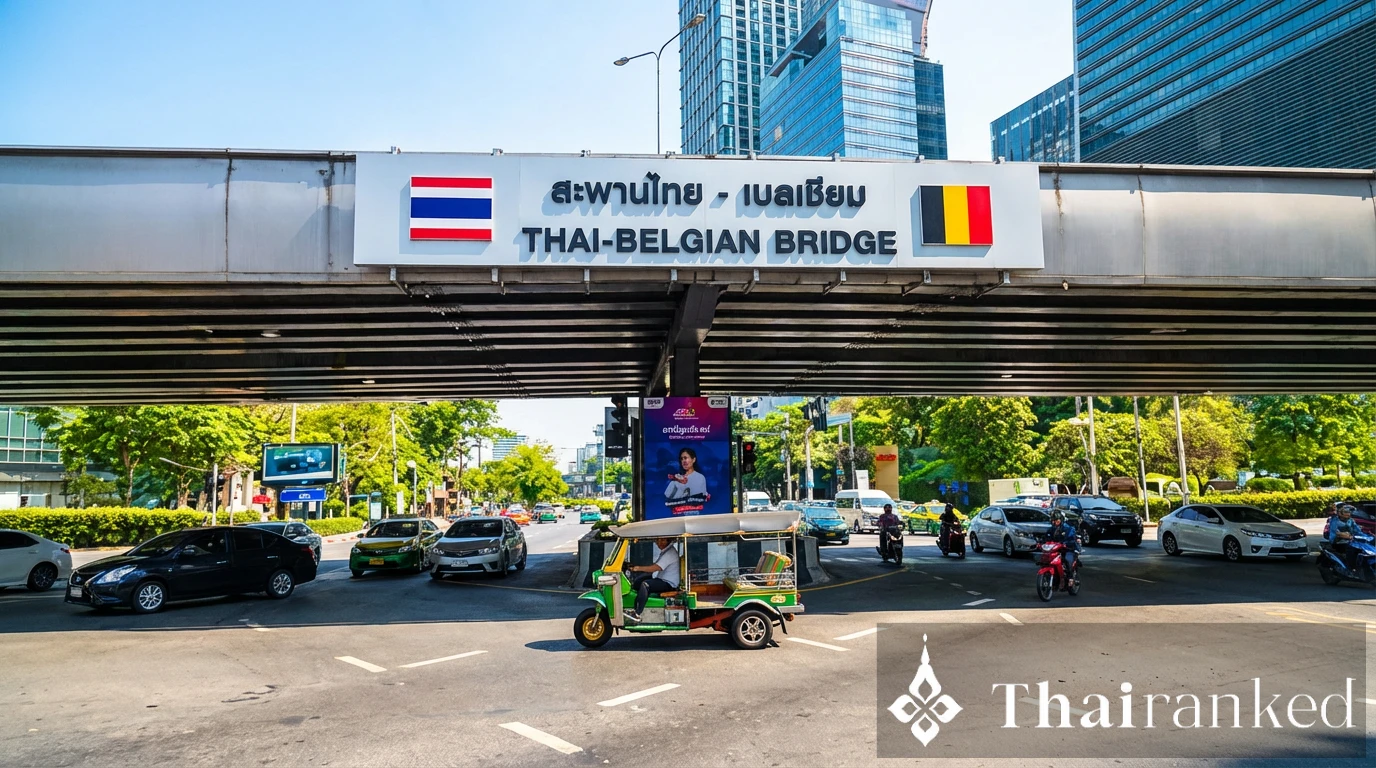
Discover the surprising history of the Thai Belgian Bridge in Bangkok, Belgium’s donation to Thailand in the 1980s, how a fire reshaped it and why it remains an important symbol of Thai Belgian friendship today. Includes useful context and internal links for exploring more about Bangkok and Thai infrastructure.